

What makes a sustainable feed?
As aquaculture grows, producers and feed firms are constantly looking for sustainable ingredients.
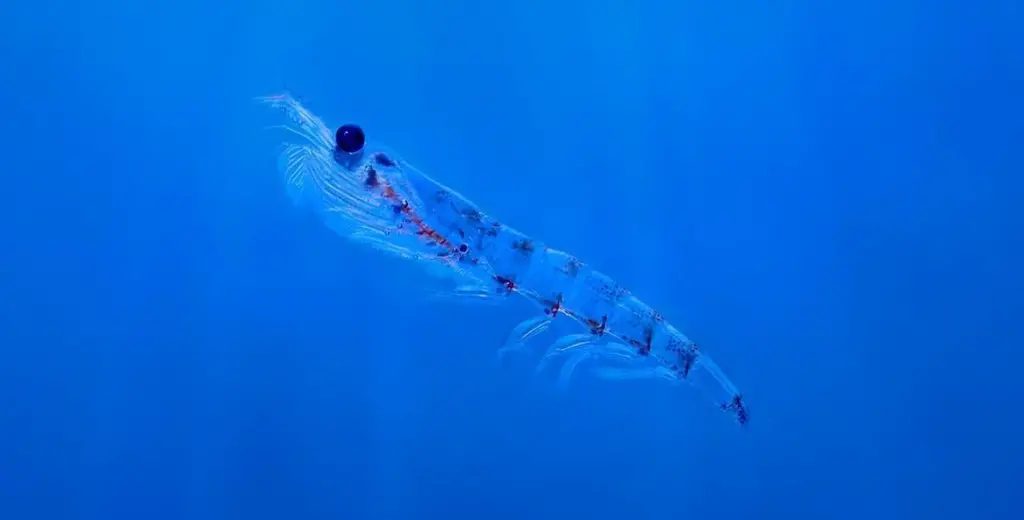
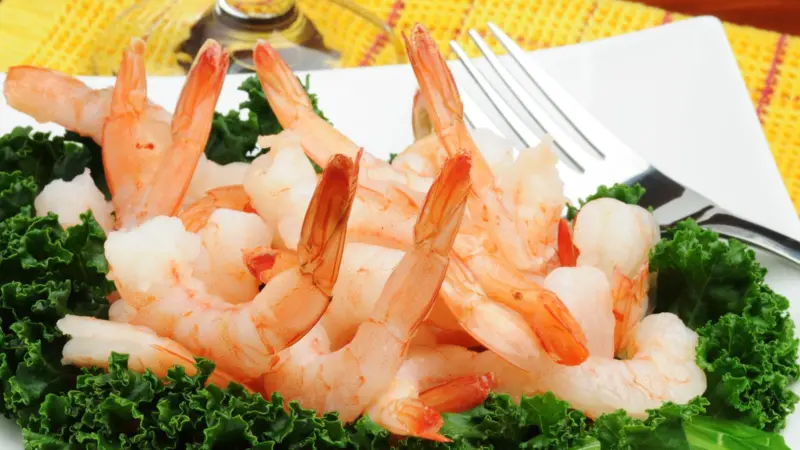
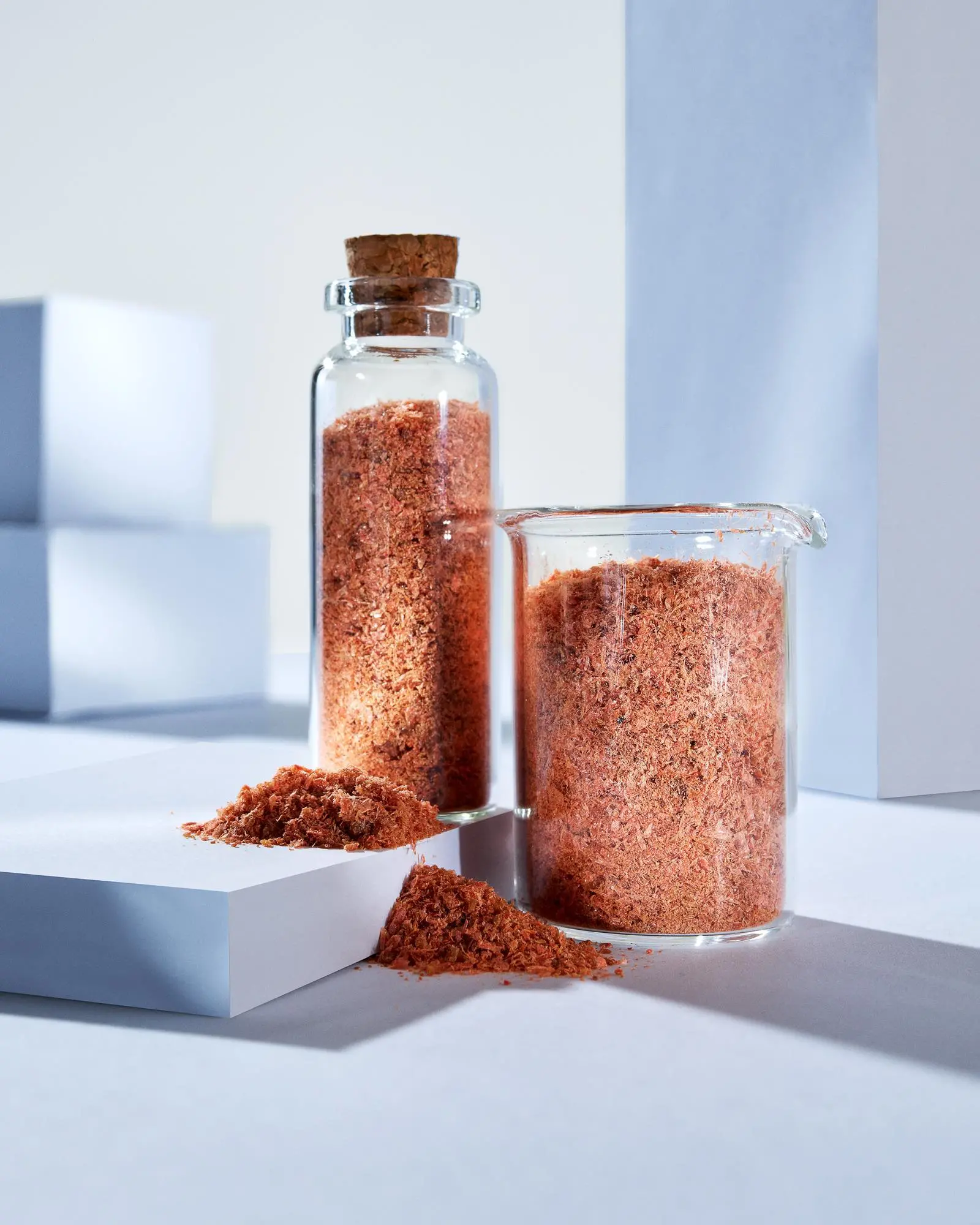
In April this year, a new study concluded that krill meal is a beneficial functional ingredient in feed for whiteleg shrimp (Penaeus vannamei). Conducted by the Central Institute of Brackishwater Aquaculture (ICAR) in India and Norwegian krill supplier Aker BioMarine, an eight-week feeding trial using the krill meal product QRILL™ Aqua found that 4.6% of krill in whiteleg shrimp diets leads to higher body weight and greater survival. The study also found that shrimp have a higher content of n-3 polyunsaturated fatty acids when their diet includes 6% of krill meal, while a diet of 2% krill meal and 12% fishmeal significantly increases the expression of six immune-related genes in the hepatopancreas.
Krill has emerged as a strong contender for aquaculture feed. Being a protein source and rich source of omega-3s in phospholipid form, in addition to the range of amino acids and micronutrients it contains, krill supports healthy growth in fish and shrimp. It also contributes to optimal survival, aids in the prevention of skeletal deformities and helps with stress resistance. Feed products derived from krill are also beneficial for salmonids and freshwater species as well as shrimp.
For a country like India, considered one of the world’s largest producers of shrimp, the findings of this latest study are particularly significant. Shrimp farmers are continuously looking for ways to improve their profitability and productivity so higher survival rates and bigger shrimp are seen as key opportunities.
“We have been in the Indian aquaculture segment since 2017, and over the last couple of years, we have seen very solid market growth and demand for QRILL™ Aqua,” said Atul Barman, Director and General Manager at Aker BioMarine India.
“We cater to large- and medium-size customers in the market who are looking to include krill meal to produce diets for enhancing shrimp growth or for better stress tolerance. Indian aqua feed millers want to reduce their dependence on fishmeal due to sustainability concerns as well as issues related to inconsistent quality, supply and price. We are applying our global research teams and experience to work together to help farmers find local solutions. We are also conducting trials of low inclusion of krill in shrimp diets under local conditions.”
The bigger picture
Studies such as these highlight how important it is for aquaculture to look beyond fishmeal and fish oil and incorporate other ingredients. It’s often reported that reducing and eventually replacing marine ingredients without sacrificing farm efficiency would make the sector more sustainable. But Alexandra Pounds, a researcher at ThinkAqua in the UK, offered that that isn’t necessarily the case.
“While most aquaculture production focuses on only a few species, there are over 150 aquatic animals being reared today in a wide variety of systems,” she said. “At the simplest level, each species has different nutritional requirements for their welfare, but research also shows that feed ingredients can alter the nutritional value of a product for consumers. There are various factors that affect the suitability of alternative ingredients in feed, and what is sustainable for one system may not be sustainable for another.”
Pounds advised that some studies say the entire system must be considered to understand what is sustainable and nutritious.
She added that if all fish ingredients are completely replaced with terrestrial ingredients for a particular fish feed, it may not be as sustainable due to the amount of land and water that would be required to produce the sheer quantity of nutrients that we need. Forexample, soy is often used as a protein ingredient to replace fishmeal, and most of it is produced in South America.
“If the demand for South American soy increases in an attempt to reduce fishmeal use, what would that mean for local crops, local food security or the preservation of natural ecosystems? How is the carbon footprint of the feed affected by this transition? There are a lot of complex knock-on effects, and research suggests that it might be better to include a little bit of wild fish in feed ingredients and ensure that these come from reliable sources, such as sustainably managed fisheries, or by-products such as scraps, trimmings, skin and bones that can be better utilised,” she said.
Ingredient evolution
In terms of new protein sources, bacterial and insect-based proteins appear to show the highest potential as fishmeal alternatives, with work underway to develop insect meal from black solder fly larvae and mealworms.
Insect meal is said to be highly sustainable as the insects’ diet consists of human food system waste that is then upcycled into digestible proteins that fish find incredibly tasty, said Pounds. She also adds that up to 61% of protein can be obtained from black soldier fly larvae within 30 days.
Algal oil is considered another solid alternative to fish oil, as it helps fish develop faster and produce better fillets (polyunsaturated fatty acids derived from microalgae can be used instead of fish oil).
Feed must also ensure the nutritional needs of animals as well as reduce the impact of production, said Pounds. For example, species such as tilapia or carp are more forgiving in terms of what they are being fed, and able to tolerate feed with higher quantities of plant-based ingredients. However, salmon feed needs more fishmeal and fish oil to ensure health and provide consumers with nutrients like omega-3 fatty oils. Salmon also have higher protein requirements than carp or tilapia.
“What you feed your fish clearly affects their nutritional value, but unfortunately there is still a lack of research on this topic beyond salmon and tilapia,” said Pounds. “We need to remember that we are farming fish for consumers to eat, and the formulation of different feeds affects the nutritional benefits of fish consumption.
“Over the past 20 years, the level of omega-3 in salmon has dropped, such that we now require two portions to get the same omega-3 as only one portion used to have, because we’ve been substituting fisheries products for terrestrial ingredients. Even so, farmed salmon is still one of the best and most bioavailable sources of EPA and DHA, according to researchers.”
Circular focus
Pounds maintains that the key to making sustainable feed a reality lies in the use of circular economy principles. A lot of ingredients are currently being wasted as there is no way in which to feed them back into the food system, she says, so aquaculture will need to come up with ways to turn fish by-products, including bones, guts and skin, into inputs so that nothing is wasted. In the meantime, more research will be required into different combinations of ingredients that can offer adequate nutrition and minimise environmental impact.
With a growing population, it has never been more important to make healthy food and nutrients available while also keeping the planet’s ecosystem healthy, Barman said.
“Seventy percent of the planet is covered by oceans, but only 2% of food consumption comes from the oceans. As a unique and diverse system, the ocean plays a critical role in the world’s future. Fish and shrimp are vital in feeding future human populations and it’s essential to have functional feed ingredients that secure sustainability as well as fish and shrimp welfare, performance and quality,” he said.