



Germany tallies its losses
Supported by fast-growing demand, the seafood category in Germany has experienced steady development, but domestic production continues to stagnate.
As has been the case for the majority of EU countries, Germany has seen significant increases in energy costs this past year. This situation has generated additional problems for local fishermen who were already having to contend with decreasing North Sea and Baltic Sea stocks, while the idling catch level has deepened the country’s dependence on imported fish.
The Federal Office for Agriculture and Food’s (BLE) estimates that Germany’s self-sufficiency in terms of fish and fish products this year is just 19%. As such, it’s one of the largest importers of fishery products in the world. Furthermore, despite the declining catch, it has achieved a significant increase in fish consumption in recent years.
Analysts suggest the waning catch and declining stocks are the result of a number of things. Alongside overfishing, which has led to lower catch quotas, Germany has fallen foul of certain key environmental challenges, including increased water pollution and climate change, which have in turn affected the natural habitats and reproductivity of its fish.
At the same time, the domestic aquaculture sector finds itself unable to compensate for the missing wild catch volume.
The analysts’ take on Germany’s position is shared by environmentalists, who fear that the limited fish stocks in the North and Baltic Seas at present may lead to their almost complete exhaustion in the short-term. Among these, the Nature and Biodiversity Conservation Union (NABU), one of the oldest and largest environment associations in Germany, asserts that a complex situation exists in the Baltic Sea, whereby despite strict catch quotas, herring and cod stocks are at historic lows, and this has led to the regular reduction of quotas for German fishers by EU authorities.
Falling quotas
Germany’s catch quotas had already been drastically reduced leading up to 2022, at which point EU ministers reduced the country’s quota for western herring and cod by a further 50% and 88% respectively. Not surprisingly, with herring fishers already having seen their quota reduced by 94% between 2017 and 2021, the move generated considerable criticism from the fishing sector.
According to recent statements made by authorities in some of Germany’s main fishing regions, the number of commercial fishermen in their territories is steady decline, and those that remain are being hard hit by the quota cuts. For example, representatives of both the Baltics Mecklenburg-Western Pomerania and Schleswig-Holstein regions have declared that just over 400 commercial fishermen continue to catch fish in the Baltic Sea today, whereas in 2010, there were 650 fishers earning a living, and in the early 1990s more than 1,300.
Both of these territories already offer scrapping premiums for fishing boats. They have also seen the end of established fishing cooperatives.
The situation has also been complicated by Brexit. Prior to the UK’s departure from the EU, many trawlers in Germany’s then fleet of 1,300 vessels conducted operations in UK waters. This is not the case today.
As an interim, and amid the fleet’s ever-growing losses, the German federal government and the European Commission plan to provide support to German fishermen. It’s hoped these subsidies will allow them to stay afloat.
Healthy consumption
Despite the clear problems faced by local fish producers, there are those that believe it’s not all doom and gloom as far as Germany’s seafood category is concerned. Indeed, Dr Matthias Keller, head of the Federal Association of German Fish Industry and Fish Wholesalers (Bundesverband der Deutschen Fischindustrie), maintains that the declining volume of fish production is not critical for the industry.
“With respect to the first six months of [2022], the production of the fish processing sector is down from 203,250 tonnes to 194,339 tonnes. This is a reduction of 4.4%. At the same time, the average value per kg of production increased by 14.4%. In total, the value of production increased by 9.3% from €979 million to €1.07 billion. This is quite a good result because 2020 and 2021 were extraordinary years for the industry,” he said.
Keller added that the federation further expects that in the fourth-quarter, production will stabilise as these months traditionally show positive growth rates.
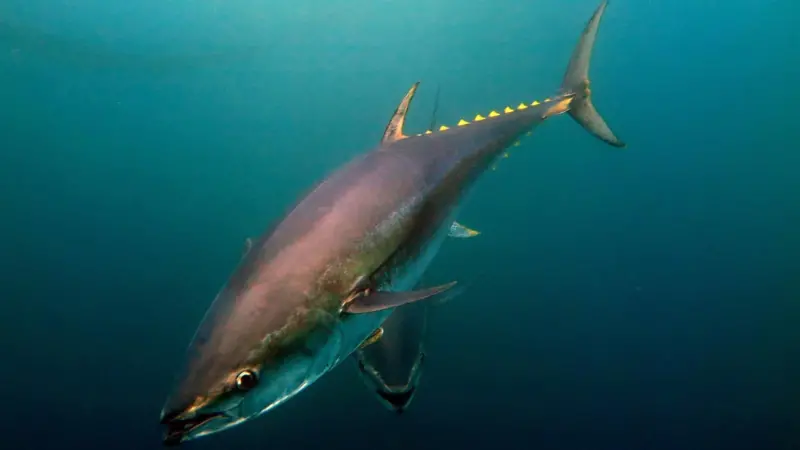
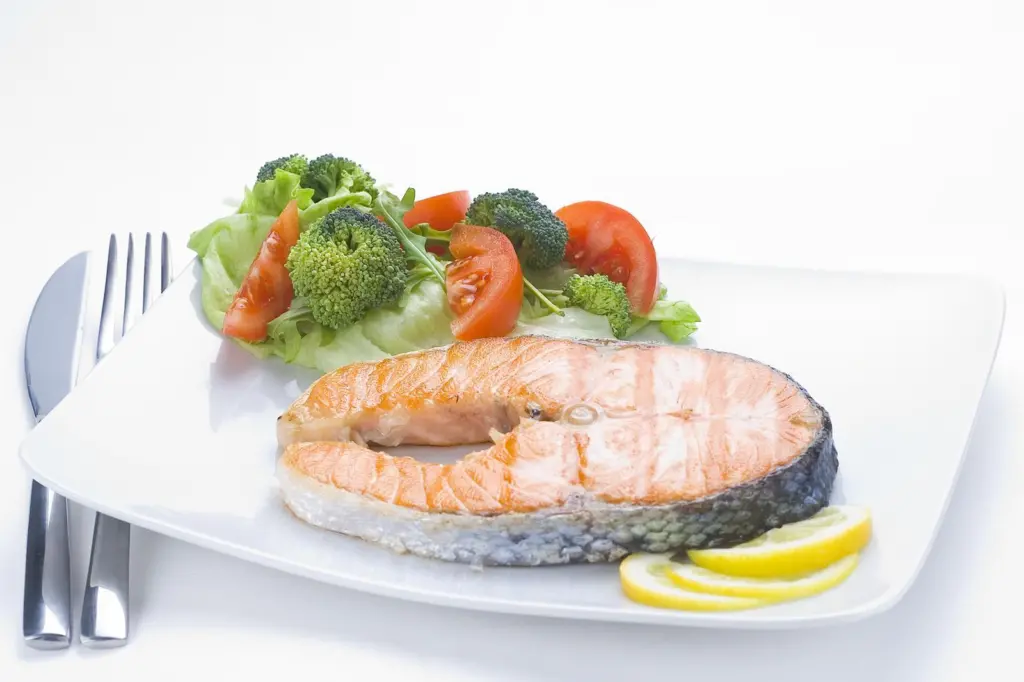
Meanwhile, additional Bundesverband data finds that the consumption of fish in Germany has declined this year compared with 2020 and 2021, but compared to pre-Covid 2019, the decline is only 2.2%. In terms of species, salmon continues to be Germany’s most consumed fish, followed by Alaska pollock and tuna.
As for actual fish sales, Bundesverband determines that for the first eight months of 2022, there was a 4.7% growth compared to the same period of 2019, with fresh fish sales and canned fish products being the main positive drivers for the market at present.
However, it should be noted that the high energy prices have not only led to increased costs for German fishermen and processors, they have also pushed up prices in German retail, although fish remains at a lower premium than meat products.
Regulatory redtape
Looking ahead from a seafood production perspective, analysts believe the only segment that could see growth is aquaculture.
Germany has always had a generally strong aquaculture sector, although in recent months many local fish farmers (mostly small-sized and/or family-run) have faced bankruptcy, brought by the current economic volatility.
Additionally, the industry remains highly dependent on imports. Bernhard Feneis, President Chairman of the German Aquaculture Association, explained to WF that fingerlings tend to come from Denmark or France, while market-size trout is mainly sourced from Italy.
Feneis also highlighted that while the current demand for farmed fish in Germany, particularly for trout and carp, remains strong, any further growth of production is prevented by legislation and administrative barriers.
“To meet the demand, we need far more fish than we can produce. And because consumers are now also trying to save money, high-priced segments are suffering more than the cheap producers.”
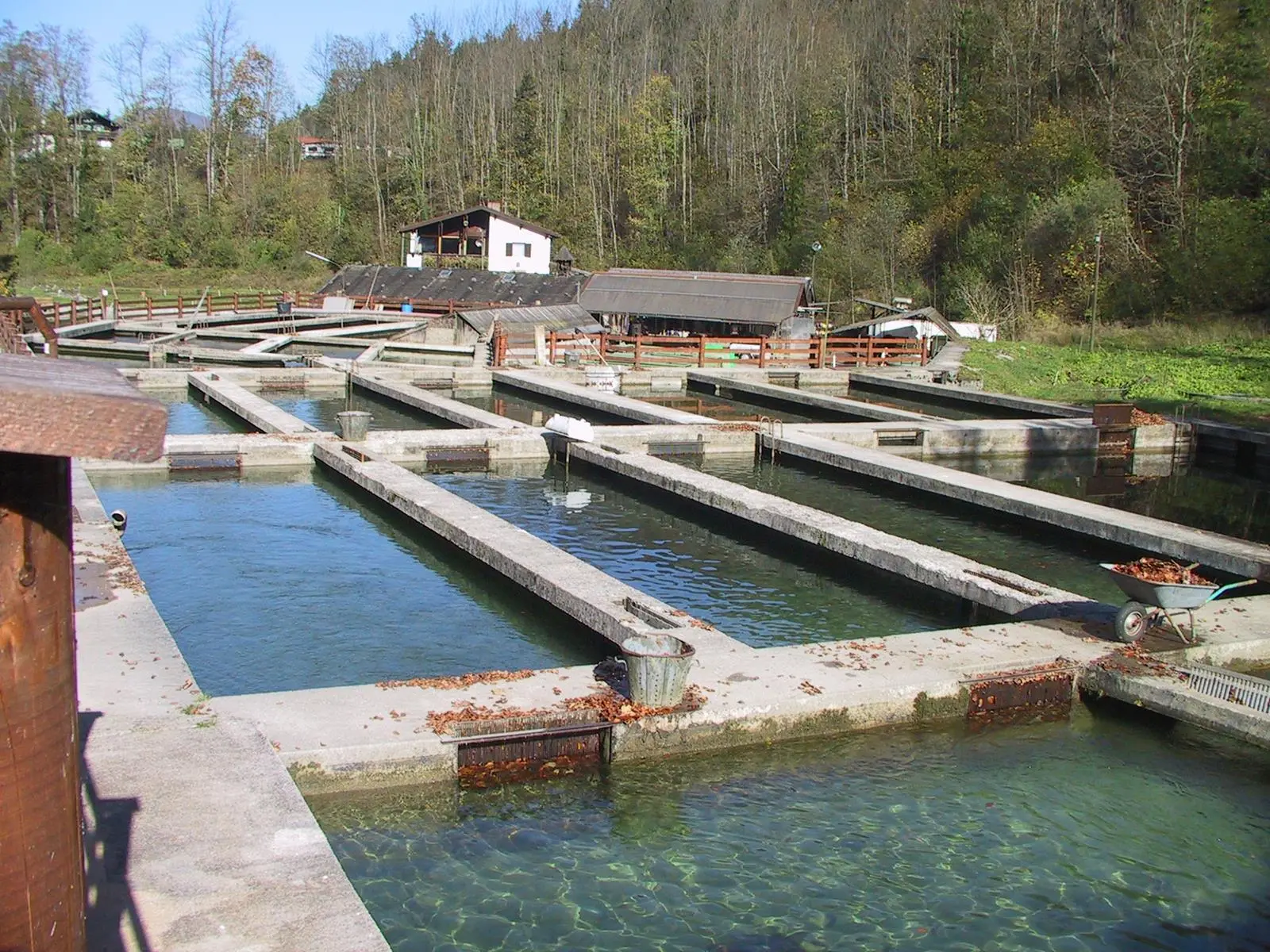
According to the Federal Statistical Office, there were around 2,300 aquaculture farms in Germany in 2020, which produced around 18,600 tonnes of fish. Of these farms, only three are recirculation-based systems, with the rest mainly comprising freshwater facilities – mainly ponds and flow channels.
Meanwhile, and despite the complex economic backdrop, the leading German processors have endeavoured to supply and expand the domestic market this year.
For example, Andreas Kremer, an official spokesman of Bremerhaven-based Deutsche See, one of the leading German manufacturers of fish and seafood, confirmed that the company has achieved generally good results this year.
“We have come through 2022 well overall, measured against the multitude of challenges such as Corona, energy prices and inflation. Our restaurant and foodservice channels have stabilised. This year we also completed the expansion of our self-service range under our Deutsche See brand in food retail.”
Kremer also explained that the company has compensated for the increased energy costs by implementing internal efficiency measures and increasing prices.