


Benelux fishers in troubled waters
The Benelux states of Belgium, Netherlands and Luxembourg have never been amongst Europe’s elite band of fish-producing nations, despite the first two having North Sea coastlines. Consequently, a significant proportion of their fish and seafood needs have been traditionally met by imports.
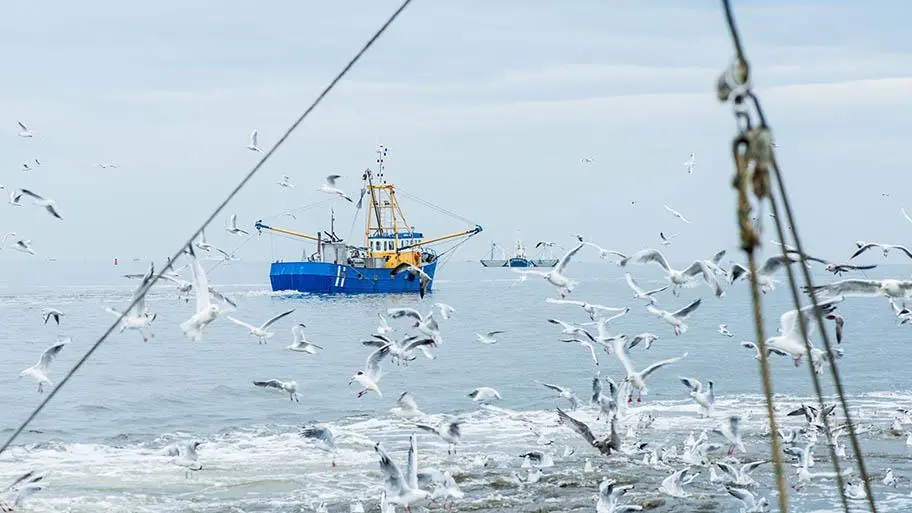
As has been the case with many other EU states in recent months, Belgian and Dutch fishers have faced significant cost increases. This has compounded problems that they were already facing as a result of increasingly tighter national and EU fishing regulations.
Many close to Benelux’s fishing industry feel problems have been accumulating for years. More recently, the Brexit deal has changed fishing rights, while the introduction of a ban on highly efficient pulse fishing in Netherlands, and the war in Ukraine has exacerbated the situation.
Some fishers have been saying that while authorities provide some support for them, in this current climate, it’s not sufficient for them to stay afloat. Indeed, amid these economic challenges, many Benelux fisherman have been forced to turn to buy-out schemes and will likely not return to commercial catching.
Royal support
In the case of the Netherlands, complexities facing the country’s fisheries sector have even forced local fishers to seek the support of King Willem-Alexander. In a letter sent to the king, Dutch fishers voiced concerns about the future of their industry. They explained that restrictive rules from the government would “kill the fishing industry in the Netherlands”.
Signed by 400 skippers and fishing companies, the letter also warned of what could happen should the plans proceed for the introduction of nitrogen standards for trawlers and cutters that fish in so-called Natura 2000 areas. To comply with the standards, all these vessels must be converted to cleaner engines before 1 October 2023.
This, they have calculated, will cost an average €10,000 per vessel, with subsidies only available for half that amount.
Another area of serious concern for Dutch fishers is the ever-increasing area in which bottom fishing is not allowed. This is worrying shrimp catchers and also fishers working on larger cutters that specialise in sole and plaice – two of the most important species caught by the sector.
Plans are being drawn up to increase these protected areas. At the same time, the construction of new offshore windfarms is posing a serious threat to the Dutch shrimp catch.
According to Wageningen University & Research (WUR), the Netherlands has 283 active fishing cutters, with 120 targeting fish, the rest focus on shrimp, lobsters and other seafood products.
Socio-economic concerns
The biggest concern for Belgian fishers also centres on the regular reduction of quotas for sole and plaice catches by the European Commission.
While there has been increases made for haddock and cod quotas for the current year, Flemish Fisheries Minister Hilde Crevits explained these species are not a priority for Belgium fishers.
“Our Belgian fishermen are disappointed,” Crevits said. “The fishing rights for sole are very important to us. I am concerned about the socio-economic consequences of limiting the large catches of sole and plaice.”
Again, the situation has been further complicated by Brexit, with the UK’s departure from the EU ending the Belgian fleet’s access to certain waters. Added to this, the country’s fishers are unhappy with plans to make the fisheries sector more sustainable through the use of cleaner energy sources and phasing out fossil fuels.
“We have serious concerns about the feasibility and workability of European plans for the fisheries sector,” Crevits said. “We impose unfeasible or unworkable obligations on our own fishermen. Our fishermen already make a lot of effort today and are prepared to do so in the future, but on the basis of workable proposals.”
In addition to fuel, the European Commission also wants fishing methods and gear to become more sustainable. This includes phasing out bottom fishing with towed gear by 2030 in all marine protected areas (MPAs).
Farming interest
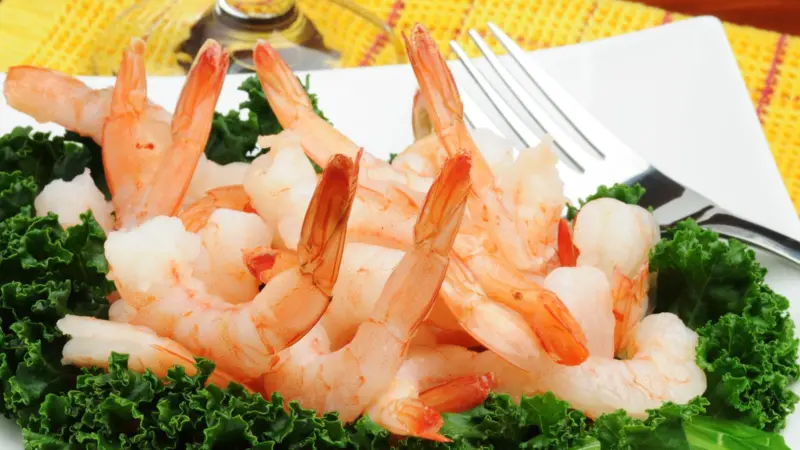
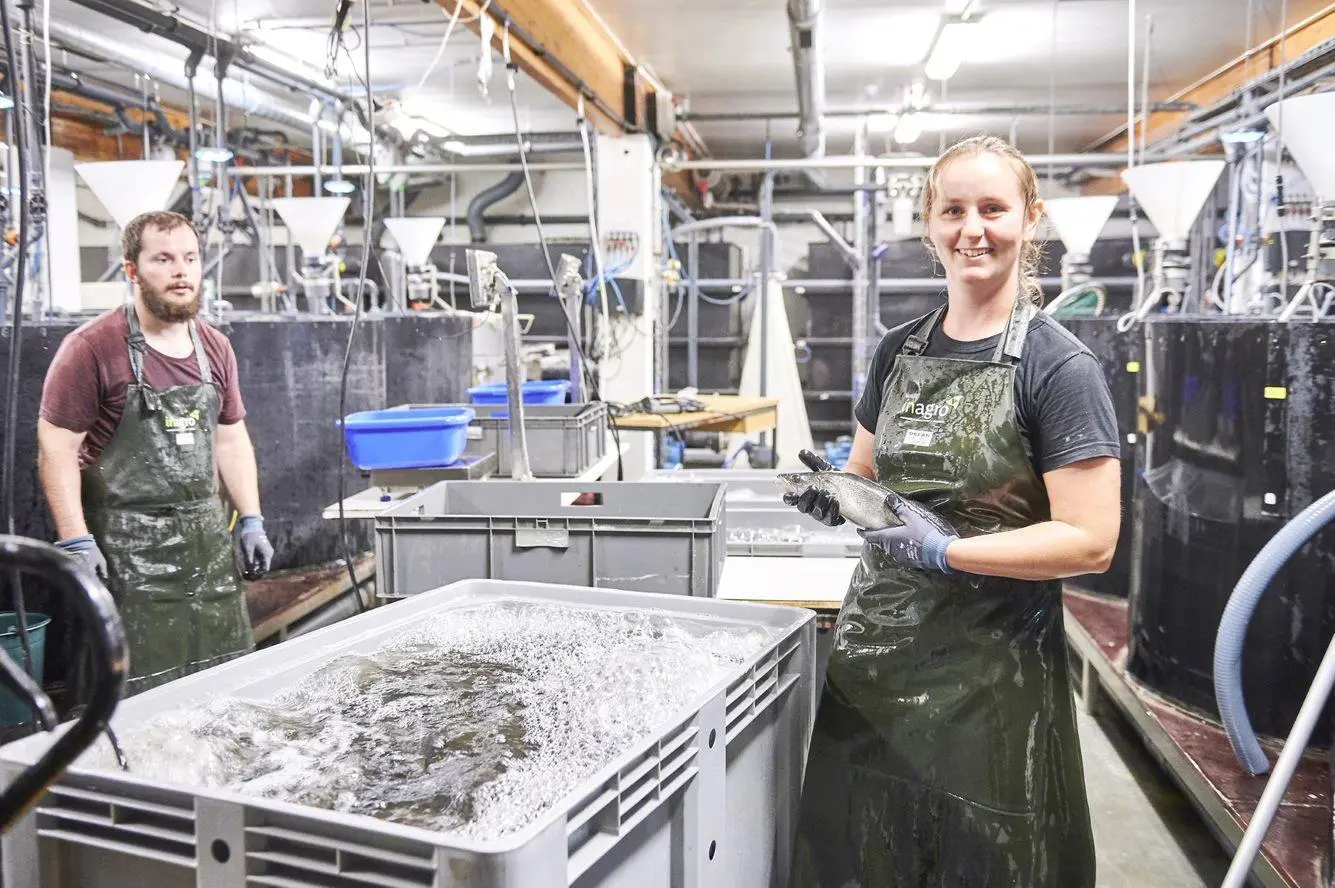
If there is a positive, it’s that Benelux’s aquaculture sector is in generally better shape than its fisheries. Head of research at Belgium-based Inagro Stefan Teerlinck told WF that Belgium has a very diverse and well-developed aquaculture sector, with the most popular fish species including pikeperch, sturgeon, rainbow trout and white shrimp.
He explained that fish farming is carried out both in the Flemish region (north) and Walloon region (south) and has strong research base. In addition, the aquaculture sector traditionally receives strong support from authorities.
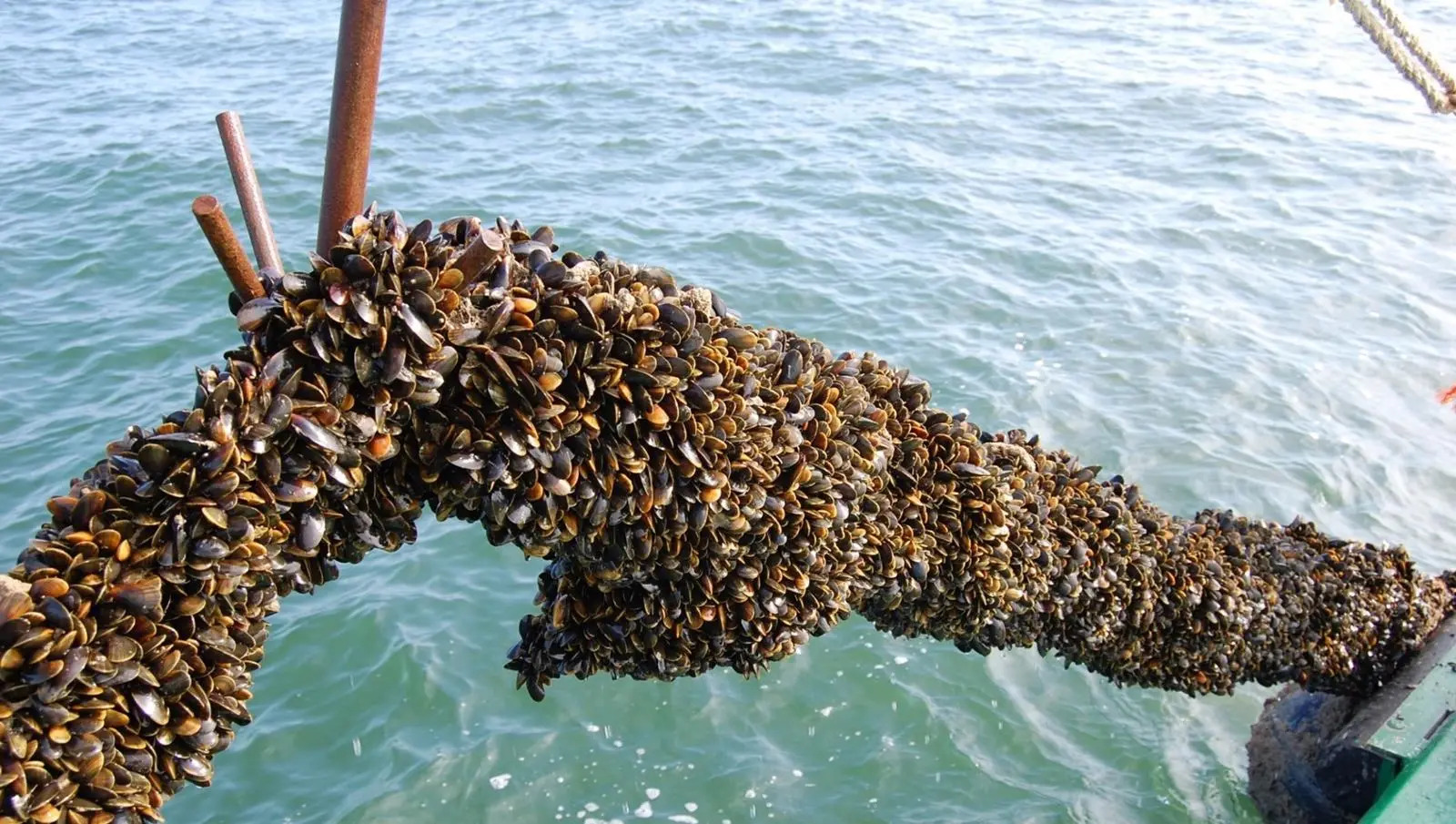
“In our North Sea, we see an expansion of our mussel production. Also, foreign investors in aquaculture are interested in our region, while Asian businessmen want to invest in multitrophic shrimp production on land – in closed system with minimal water replacement.”
In terms of local consumption, Belgium’s total annual consumption of farmed fish and seafood sold via retail channels is estimated at 17,333 tonnes, with the main species including salmon, shrimp and pangasius – most of which is imported. Local production and consumption is in the region of 300 tonnes, with trout accounting for 80%.
Salmon’s rising importance
Meanwhile, analysts have confirmed that the high level of inflation in the Benelux region is continuing to put pressure on its fish and seafood sector, and this is negatively affecting sales in the market.
Luc Van Bellegem, Senior Market Advisor of the Flanders’ Agricultural Marketing Board, an agency specialising on the promotion of Belgium fish products in domestic and foreign markets confirmed this trend.
“The demand for fish in Belgium is price-driven. The fish from aquaculture, such as salmon, will become more important in the future. Salmon represents already 30% of the home consumption of fish and will grow. Wild fish will become [more] expensive and demand will decline. Concerning exports, as we see from statistics, the export of both fish and fish products from Belgium is growing,” he said.
Cod remains the most popular fish in the Belgium market, closely followed by salmon.