



A perfect storm
A number of commercial seafood enterprises in Japan are looking to grow their businesses this year. This is despite the market experiencing declines in both fish production and consumption, and consumers facing ever-rising prices.
According to Japan Fisheries Association, which promotes activities designed to increase seafood consumption, while the domestic catch volume in 2022 remained almost on the same level as the previous year, the range of fish and seafood supplied to the domestic market substantially declined.
One of the main reasons for this is weakening local demand, the association advised.
Since the 2010s, the Japanese fish and seafood sectors have been experiencing a steady decline – mainly due to the reduction of domestic stocks, caused by regular overfishing and poaching. There’s also changing consumer patterns to contend with, with increasing numbers of younger consumers showing a preference for meat instead of traditional seafood. As a result, Japan has seen the deepest drop of per capita seafood consumption among those countries where consuming far more than 30 kg per year.
Meanwhile, wild-capture stock reductions have led to the decline of production and catch volumes.
According to the Japanese Fisheries Agency’s data, in recent years the country has faced sharp drops in the production of some important species. For example, the volume of saury production has declined from 229,000 tonnes in 2014 to about 30,000 tonnes in 2021, while salmon has fallen from 150,000-160,000 tonnes in 2014 to about 50,000-60,000 tonnes.
Analysts believe these trends are largely due to the country’s poor fish resource management. In the case of salmon, stagnating domestic production has already resulted in a significant increase in imports in recent years. The latter has posed a threat to the positions of leading local red fish producers in the domestic market.
As a result of such declines, Japan’s share of global seafood production has dropped to about 2% in recent years, compared with 12-13% during 1980s, and there’s a strong possibility that a further decline will be observed in 2023.
Russian struggles
The Great East Japan Earthquake of 2011 is still having negative effects on the country’s fish sector and is preventing any further export increases. Amid weak domestic consumption, exports are considered as one of the priority directions of development for the majority of Japanese major fish producers and processors.
According to the Japan Fisheries Association’s experts, particular hopes have been put on the increase of exports of aquaculture species, such as yellowtail, seabream and scallops. Among the other promising export items are bluefin tuna, amberjack, groupers and pearls.
In the meantime, the consequences of the Covid-19 pandemic, and the ongoing Russian-Ukrainian military conflict have put additional pressure on Japanese fish and seafood sectors, in particular contributing to higher local fish and seafood prices.
One of the reasons for the price growth is the deterioration of relations with Russia, and the recent failure of talks between the two countries for catching fish on the Kuriles Islands. This has sparked serious concerns among Japanese fishermen, operating in the area.
According to a recent report in the Japanese Hokkaido Shimbun business paper, many Hokkaido fisherman may face a significant decline of their catches and revenue this year. The talks, regarding the provision of quotas for Japanese fisherman for the catch close to the Russian Kuriles were supposed to be carried in accordance with the 1998 agreement existed between the sides. However, they were recently postponed for an indefinite period of time.
With regards to consumption, the pandemic led to a decline in sales of fresh seafood in Japan with a simultaneous rise in the sales of frozen products, as more local people prefer to cook themselves instead of eating in restaurants. Among the most widely-consumed fish species in Japan are Pacific saury, salmon, tuna and king crab.
Firms eye growth
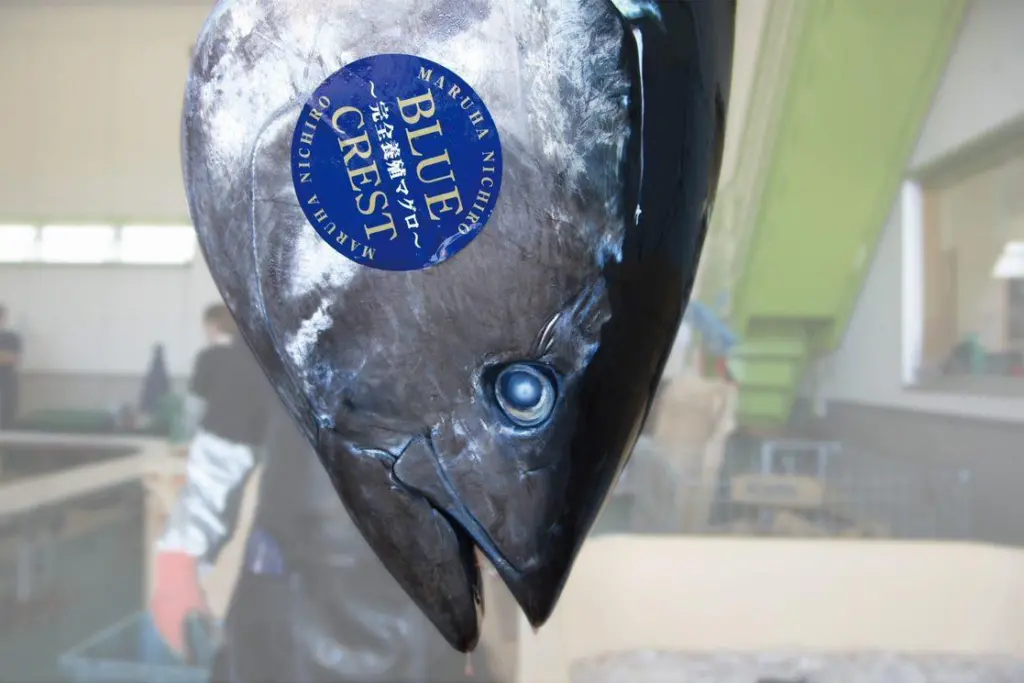
Despite these problems, most of the leading Japanese fish producers and processors are looking to accelerate their expansion in the domestic market this year. One such company is Maruha Nichiro Corporation, one of Japan’s largest seafood businesses, which has recently announced plans for a significant range extension this year.
Maruha Nichiro spokesman Misae Fujita told WF the company is currently “focusing on creating a new business model by leveraging its existing knowledge”.
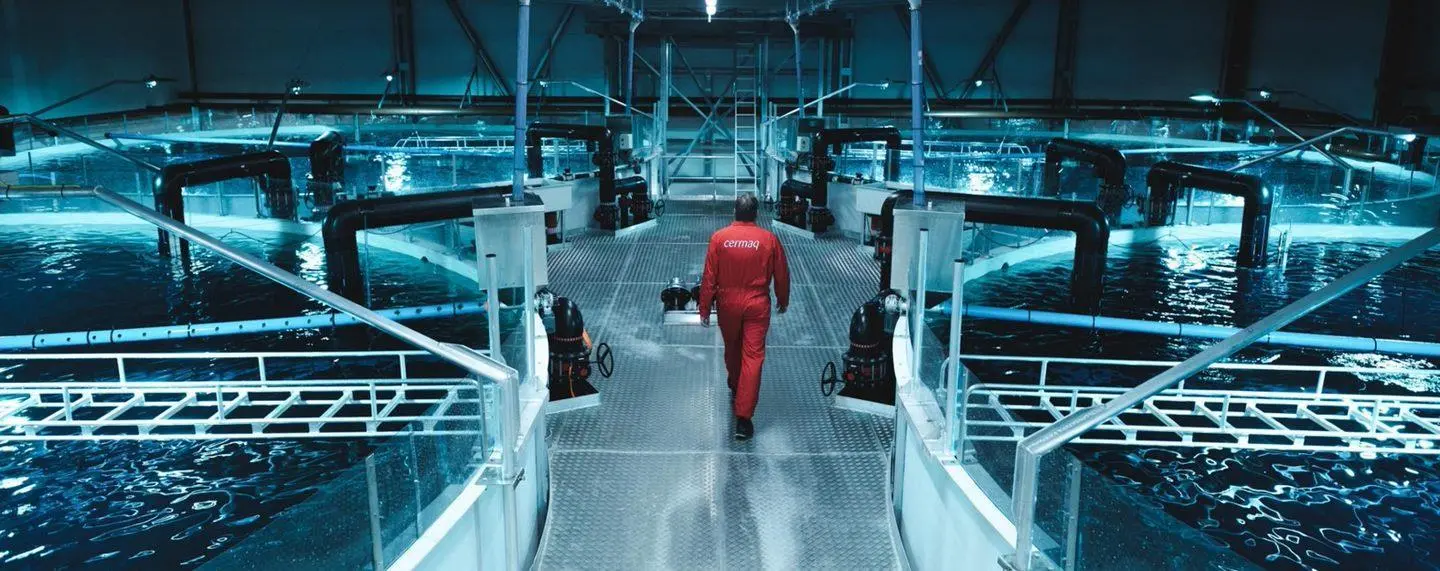
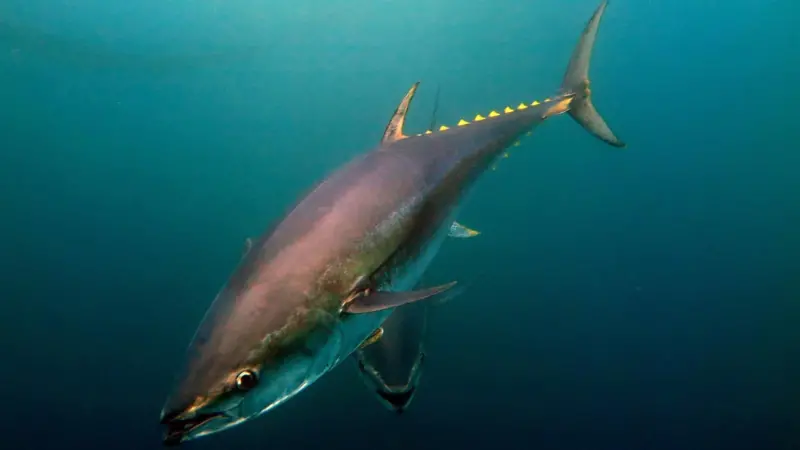
“In addition to further improving the technology for egg-to-harvest farm-raised [bluefin tuna] aquaculture at sea, which we were the first private company to succeed in, we have established a company to conduct large-scale land-based salmon aquaculture business, which is in high demand, and are continuing research on fish cell culture.”
According to the company, with the declining local population and changing lifestyles of consumers, the Japanese market as a whole is consuming less and less marine products, and this trend isn’t expected to change significantly in 2023.
“In our surveys, people say that fish is difficult to eat and takes time to cook, but on the other hand, some people want to include more fish in their diet due to health reasons,” Fujita said.
As part of its plans, Maruha Nichiro is further expanding of its range this year as well as more active promotion of fish among domestic customers through traditional Japanese concepts.
“One such concept is ‘Sakana Cross’, which conveys diverse values by crossing fish with various themes and things. Specific initiatives include the provision of the group’s farmed fish and fish sausage to the professional sports teams that we sponsor, and the production of videos to introduce the concept of fish protein intake to consumers,” Fujita said.
On a rocky road
Japan’s fish and seafood sectors are currently based on the country’s fifth Basic Fisheries Plan – a legal act that regulates the development of the industry and which was approved by the national government last year.
It involves the use of the concept of total allowable catch (TAC), a system aiming for maximum sustainable yield (MSY), and more active fight with poaching. The existing plan is also based on the more efficient management of the Japanese fish and seafood resources, based on scientific approaches.
In spite of these actions, the majority of Japanese seafood analysts predict tough times ahead. They highlight that in addition to the declining consumption trend, climate change will lead to a further decline of the country’s fish and seafood stocks.
They anticipate this will deplete supply levels in the domestic market and see prices rise higher. This landscape, they say, will lead lower the consumption volumes further.