



Trio establish shrimp gene editing tech
Aquaculture and biotech firm Colors Farm Ltd and computational biology company Evogene Ltd have entered into a collaboration with Israel’s Ben-Gurion University (BGU) to develop gene editing technology for crustaceans.
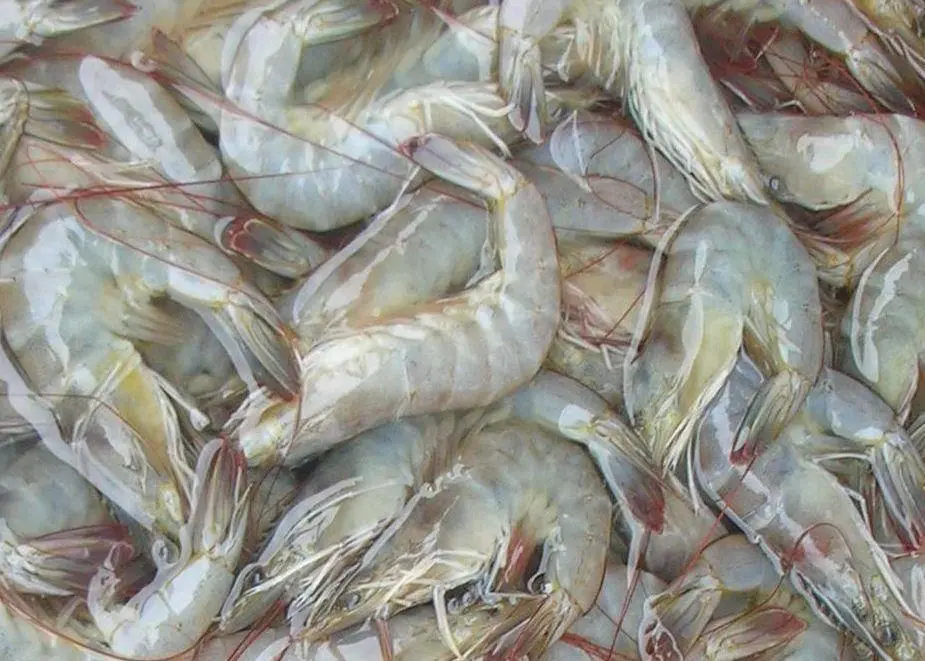
They will specifically target giant freshwater prawn (Macrobrachium rosenbergii), whiteleg shrimp (Litopenaeus vannamei) and red swamp crayfish (Procambarus clarkii) to enhance key traits such as growth rate, disease resistance and environmental adaptation.
The initiative has received a competitive grant from the Israel Innovation Authority (IIA).
Colors Farm will craft specialised solutions tailored to the gene editing requirements of giant freshwater prawn and whiteleg shrimp; Evogene will leverage its advanced GeneRator AI tech-engine to provide predictions for optimal guide RNAs (gRNAs), thereby facilitating precise gene editing through CRISPR technology; and Professor Amir Sagi of BGU will develop a gene-editing platform for P. clarkii and spearhead the research and development process.
“We are honored to be part of this project. Gene editing is a powerful tool that can enhance the economics and sustainability of crustacean production. We believe this collaboration will lead to significant advances in the aquaculture industry,” Sagi said.
Colors Farm CEO Ran Epstein said the collaboration represents a major step forward for aquaculture and that gene-editing has the power to “revolutionise” crustacean production, while Evogene’s CPO Nir Arbel added that it could enhance desired traits and minimise environmental impact.
We believe that through this collaboration Evogene will be able to leverage its knowledge and algorithmic capabilities, developed in its GeneRator AI tech-engine, to design predictive gene editing solutions for organisms that lack complete and exhaustive genomic and proteomic data. We believe this will open up the gene editing market to many additional Agri-tech companies,” Arbel said.
The three companies predict that the global shrimp market, which stood at around US$66 billion in 2022 will increase to $88 billion by 2028, with a compound annual growth rate (CAGR) of 4.7% from 2023 to 2028. Meanwhile, the global crayfish market, valued at $16.2 billion in 2023 is expected to grow at a CAGR of 31.5% over the forecast period of 2024-2032.
These growing markets are driven by a rising appetite for seafood and an increasing emphasis on sustainable aquaculture practices, making the collaboration exceptionally relevant to meet these demands, they said.
Related Articles
 AQUACULTURE
 AQUACULTURE
 AQUACULTURE