






India eyes seaweed growth
India cultivated around 34,000 tonnes of seaweed in 2021 but could be producing significantly more, according to the ICAR-Central Marine Fisheries Research Institute (CMFRI).
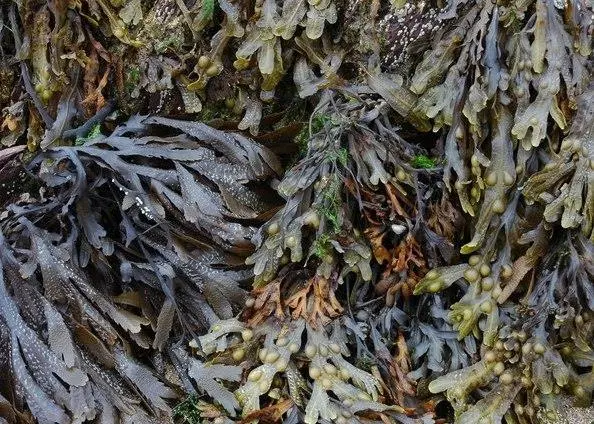
Stressing the need for upscaling India’s seaweed farming sector, Dr A Gopalakrishnan, Director of ICAR-CMFRI, told a national campaign on Non-conventional Aquaculture Systems that the institute has conducted georeferencing on 342 suitable farming sites.
Spanning more than 24,167 hectares, these sites have a production potential of 9.7 million tonnes (wet weight) per year.
Gopalakrishnan told the CMFRI-organised event that the global production of seaweed now amounts to some 35 million tonnes worth US$ 16.5 billion, but that India is lagging far behind in terms of its production.
He advised that government has earmarked Rs. 640 crore exclusively to promote seaweed culture with a targeted production of more than 11.2 lakh tonnes by 2025 in the Pradhan Mantri Matsya Sampada Yojana (PMMSY).
“The CMFRI has successfully standardised the practice of integrated multi-trophic aquaculture (IMTA) which enables cage farming or bivalve farming along with seaweed farming in coastal waters,” he said, adding that this technology would help popularise and boost seaweed farming across the coastal states.
Referring to its environmental benefits, he said that seaweed farming can earn carbon credits in many ways and cited the example of replacing fodder with the value-added products of the plants to reduce methane emission from cattle to great extent.
Abhiram Seth, Managing Director of AquAagri Processing said that deepsea areas should be identified to increase the production. Emphasising the need for large quantity of planting material for the large-scale expansion of seaweed farming, Seth expressed the interest in collaborating with ICAR-CMFRI for commercial-level micro-propagation-based seaweed seed production.
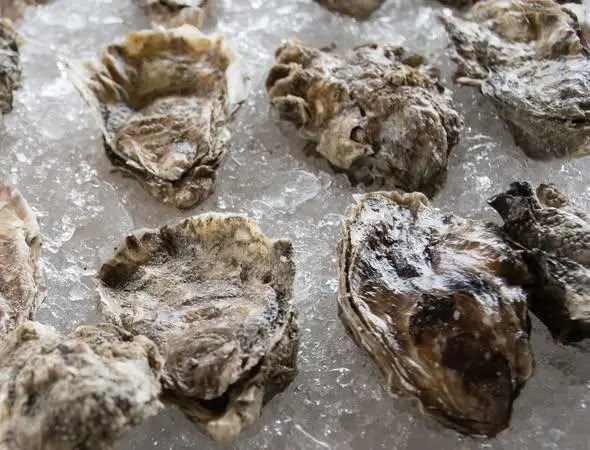
The meeting also highlighted the importance of bivalve farming, another non-conventional aquaculture practice. According to CMFRI’s estimates, India’s bivalve production in 2021 was 98,000 tonnes.
Related Articles
 AQUACULTURE
 AQUACULTURE
 AQUACULTURE