





FAI launches tilapia welfare app and online courses in Arabic
The FAI Tilapia Welfare App and Tilapia Welfare e-learning courses on FAI Academy have been made available in Arabic to support the continuing growth and success of the aquaculture sector in Egypt and other Arabic-speaking nations.
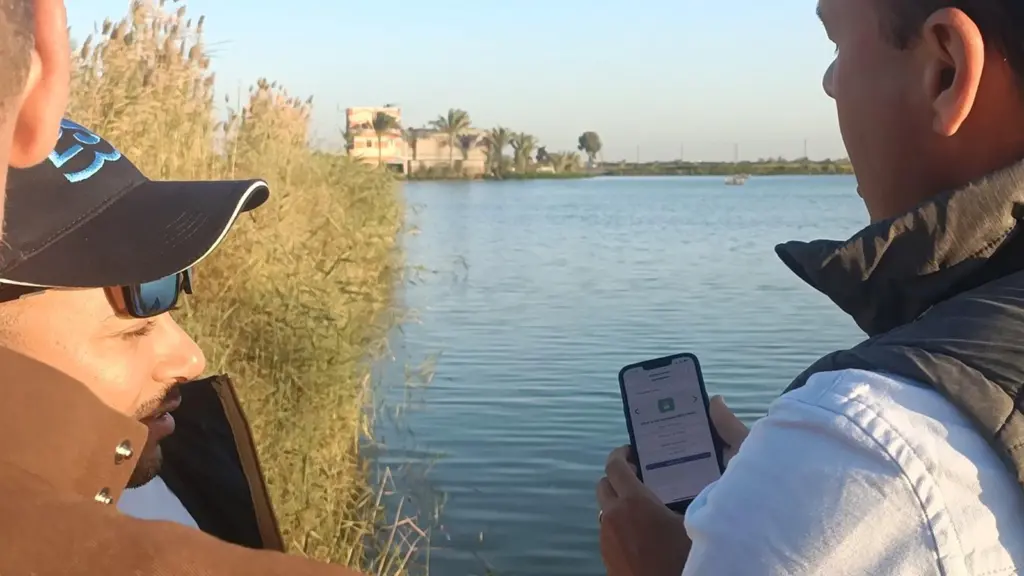
The move recognises that while most tilapia production occurs in non-English speaking countries, the majority of resources for assessing tilapia welfare are in English. To address this gap and make fish welfare more accessible world-wide, FAI has made the latest version of the Tilapia Welfare App in Arabic, as well as the first e-learning course on welfare indicators.
Further e-learning courses on nutrition and environmental indicators will be available soon, making fish welfare science more accessible to Arabic-speaking professionals.
“Egypt is a major player in global tilapia production so making these resources available in Arabic allows us to reach more farmers and have a greater impact on fish welfare,” FAI COO Murilo Quintiliano said. “Research proves better welfare has a direct, positive effect on tilapia health and performance, so this important step helps farmers improve both the economic performance and welfare of their fish – positioning Egypt and other Arabic-speaking nations as leaders in sustainable aquaculture.”
Wasseem Emam, Founder and lead researcher at the Ethical Seafood Research (ESR), based in Egypt, said making these resources available in Arabic would help overcome literacy and language challenges often encountered in the Arabic-speaking world:
“Having the app and courses in Arabic ensures farmers feel this is a tool made for them. It’s about making welfare assessments accessible and practical for everyone in the community – it’s a very positive step forward,” he said.
The free Arabic-language resources will directly benefit over 1,000 farms involved in FAI and ESR’s ongoing Tilapia Welfare Project in Egypt, representing more than 10% of Egypt’s total tilapia production.
Part of FAI’s work to improve tilapia welfare globally, the Tilapia Welfare App enables farmers to assess and improve fish welfare using a simple scoring system based on scientifically verified welfare indicators like nutrition, health, behaviour and environmental conditions.
The related e-learning tilapia welfare courses, available via FAI’s Academy online learning platform, cover welfare areas, such as feeding, water quality, behaviour and health monitoring.
To date, more than 5,500 people globally have enrolled in the welfare courses.
“Combined with the Tilapia Welfare App, the training courses empower farmers to identify and adopt good welfare practices, equipping them to use the app effectively to monitor science-based welfare indicators,” said Dr Sara Barrento, FAI’s e-learning and Aquaculture Programme Manager. “These indicators provide important insights into tilapia well-being, enabling farmers to make informed decisions about water quality, nutrition, health and fish behaviour. This is more than a compliance task – it’s about gaining practical tools to understand and improve the animals’ living conditions.”
Barrento added: “Farmers don’t just learn theory, they gain the skills to actively monitor and assess the health of their fish. The courses empower them to take control of their farms in a way that promotes better welfare outcomes, increased productivity and sustainable farming practices. With these resources now available in Arabic, even more farmers will have the chance to become welfare practitioners on their farms.”
Related Articles
 AQUACULTURE
 AQUACULTURE
 AQUACULTURE