
Aquaculture: Disease prevention without the chemicals
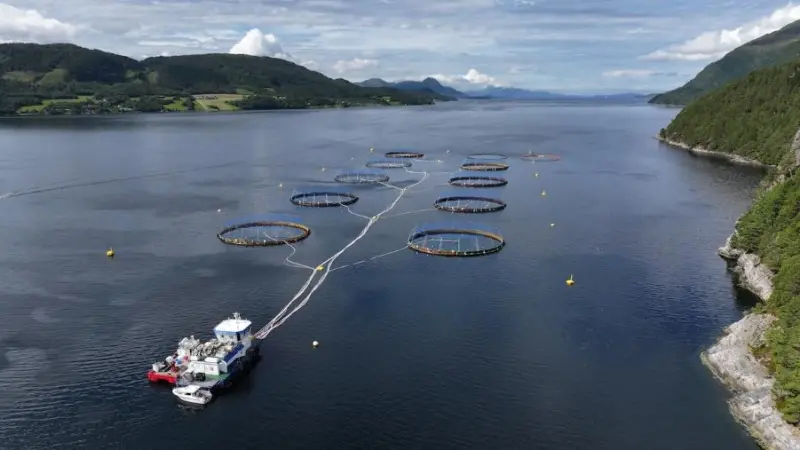
As the fastest-growing food sector today, aquaculture has become a huge industry, with production accounting for over 50% of total global aquaculture and fisheries output. But as farmers densely pack offshore pens, ponds and tanks to meet the demand for aquatic food, contact between the fish increases, leading to increased disease transmission. Some deem these practices unsustainable and suggest they have a wider impact of spreading disease to already-vulnerable fisheries and negatively impacting the environment.
On a global scale, disease in aquaculture results in US$ 6 billion worth of losses each year, with significant challenges remaining despite advancements in vaccines and management practices. Meanwhile, the effects of antibiotics on humans and the environment continue to be a serious concern. As part of aquaculture’s growth and efforts to improve disease resistance and sustainable practices, companies and scientists are now proposing alternative concepts to control disease without resorting to chemicals or antibiotics.
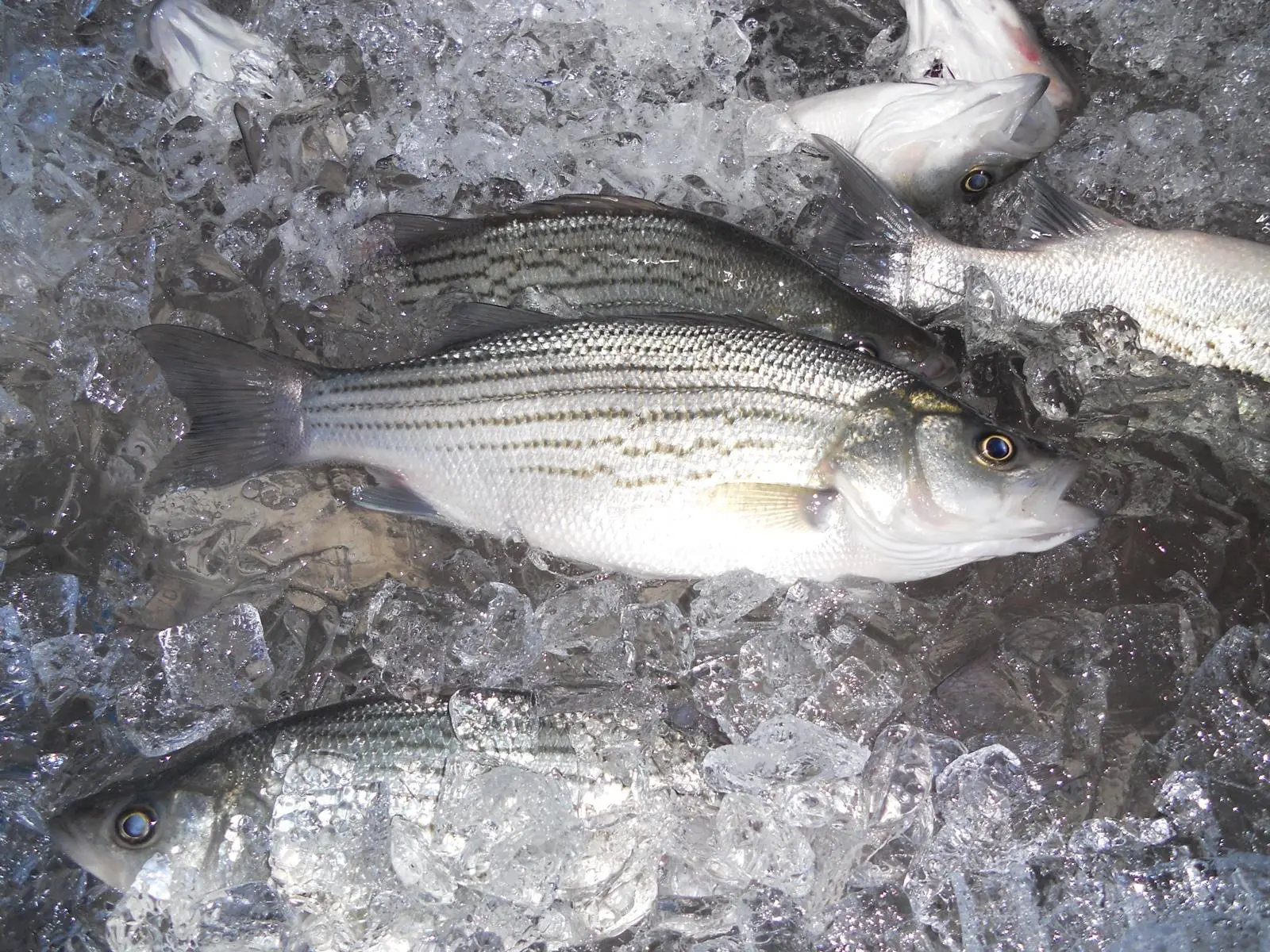
In January 2024, scientists at the United States Department of Agriculture (USDA) announced the development of a green antibiotic alternative to treat the pathogen Streptococcus iniae in hybrid striped bass. S. iniae is the causative agent of streptococcosis, a prevalent disease that can bankrupt fish farms and put farmers at risk when handling infected fish.
According to USDA figures, streptococcosis causes a worldwide economic loss of $150 million each year.
“Losses from S. iniae specifically related to hybrid striped bass remain unknown, mostly because the species’ market is relatively new in aquaculture,” Professor Daniel Nelson of the Department of Veterinary Medicine at the University of Maryland told WF. “However, two of the largest hybrid striped bass start-ups in the US were permanently closed due to S. iniae outbreaks that occurred from interconnected RAS systems whereby the bacteria spread from tank to tank. As hybrid striped bass farming expands, we will closely monitor the incidence of S. iniae.”
Green alternatives
Together with Professor Nelson, the USDA team developed a novel antimicrobial protein and treatment regimen that kills Streptococcus bacteria without leaving chemical residues in the environment. Known as ClyX-2, the protein is an endolysin; bacteriophage-derived enzymes that are typically active late in the bacteriophage infection cycle.
They rapidly cleave bonds that are essential for the stability of the bacterial cell wall. When applied directly to susceptible bacteria in a purified form, they can rapidly hydrolyse the bacterial cell wall, resulting in the osmotic lysis and death of the organism. They are not chemicals like antibiotics, Nelson said. Nor do they accumulate, leave behind a residue or enter the environment or food stream. Instead, they are simple proteins that break down into basic amino acids that are re-utilised by cellular pathways. As such, they are classified as a “green” alternative to traditional antibiotics.
“ClyX-2 is an engineered endolysin,” said Nelson. “It’s a chimera, in other words a fusion of two naturally occurring endolysins that we created in the laboratory. We’ve created dozens of such endolysins and ClyX-2 happens to be the best one at lysing S. iniae. Another exciting point about endolysins is that the species of fish you are treating does not matter because the endolysin only kills the Streptococcus bacteria without harming the fish or its natural flora.”
The USDA team administered S. iniae to hybrid striped bass by intraperitoneal injection to establish infections, followed by an intraperitoneal injection of ClyX-2 an hour later. The team found a 95% survival rate for the fish in the treatment groups compared to a 5% survival rate of fish in the untreated control groups. The results showed that the protein was statistically as effective at treating S. iniae as antibiotic treatments like carbenicillin (85% survival).
Although the injections were efficacious, it may not be economically feasible to hand inject each fish, says Nelson. In the future, the team plans to look at treatments of tanks with ClyX-2, specifically a RAS system, to prevent infections from occurring in the first place.
“S. iniae also forms biofilms on water surfaces, including within RAS systems, and these biofilms can seed infections in fish as well as protect the bacteria from traditional antibiotics,” said Nelson. “In our future studies, we will look at the treatment of RAS systems with ClyX-2 to reduce S. iniaebiofilms and prevent infection in commercially valuable farmed fish.”
Skirting the issue
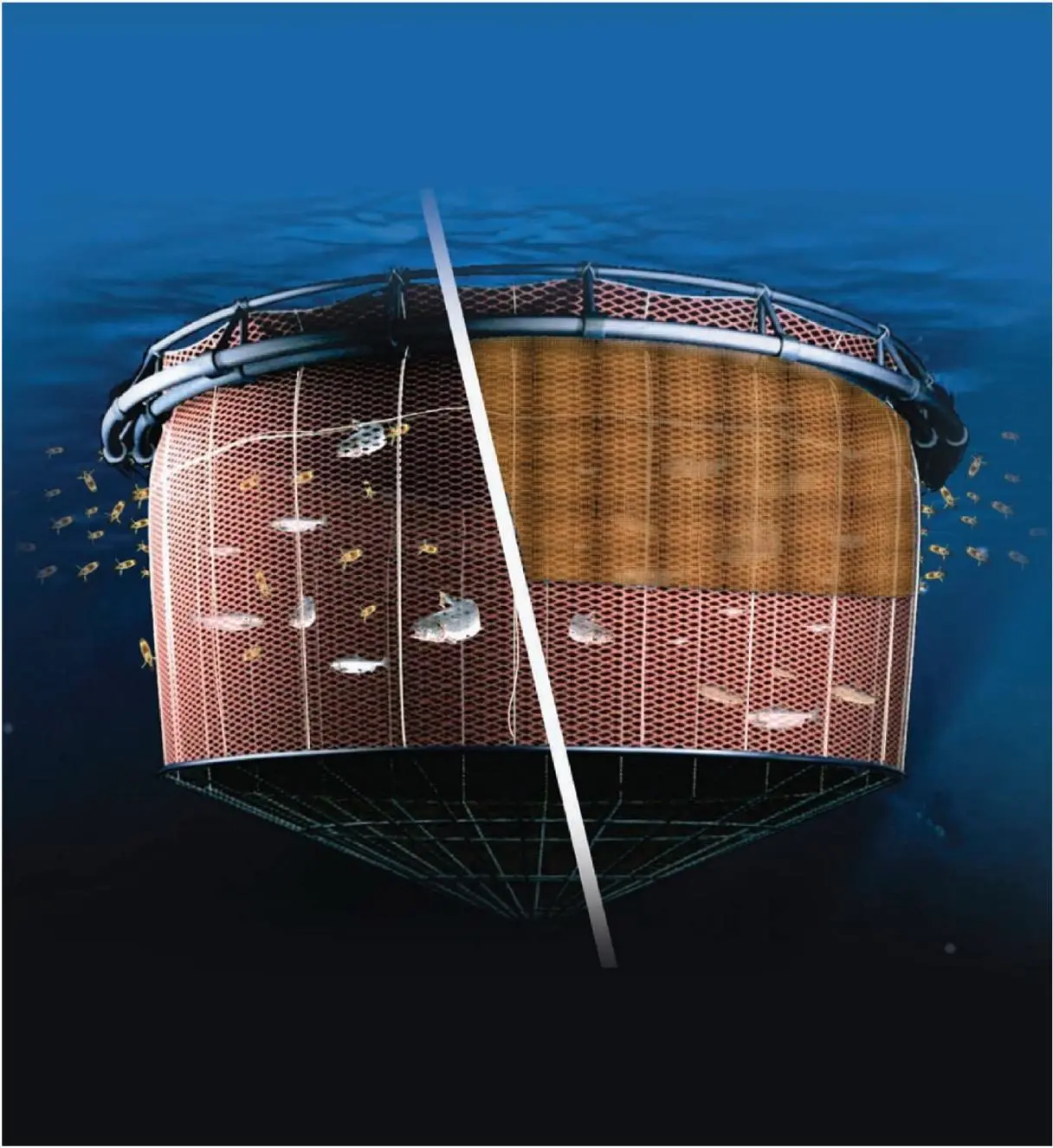
Meanwhile in Chile, net and rope manufacturer Garware Technical Fibres has produced a preventive tool for salmon farms to delay the infestation of the Caligus parasite, one of the most serious parasites affecting salmon health and performance.
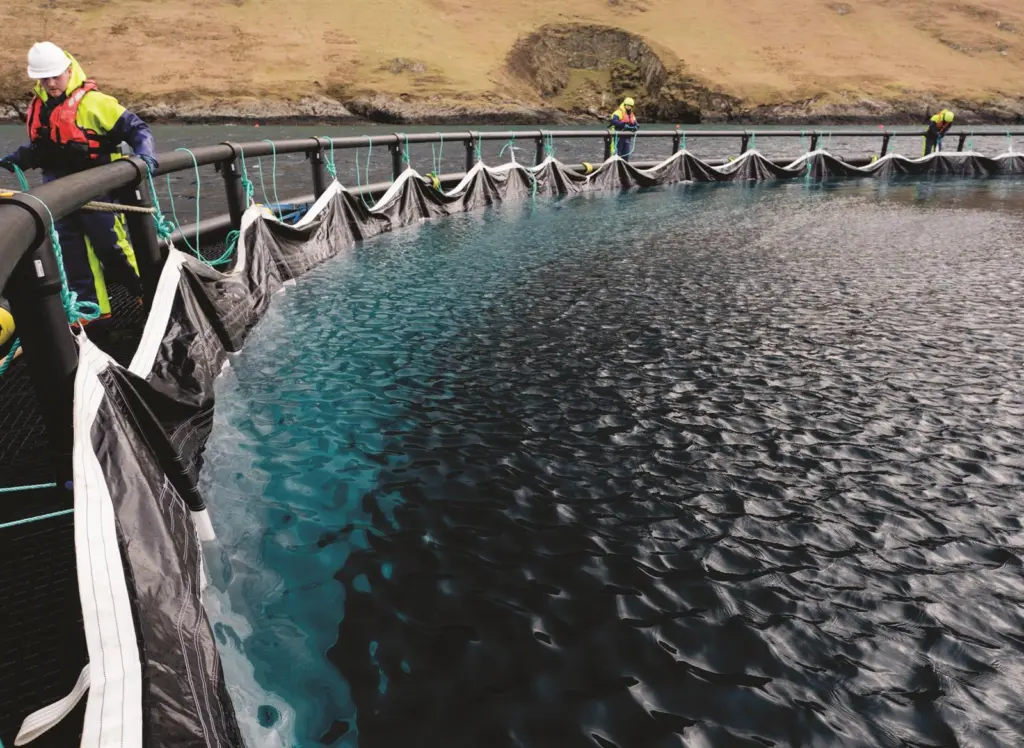
Known as the Garware Skirt X12, the new tool is a physical barrier that surrounds the perimeter of a cage’s centre with varied depths. It prevents the entry of the early stages of Caligus, promoting an adequate exchange of water and helping to maximise natural oxygenation.
“Resistance to chemical treatments, concern about the environmental effects of drugs and the search for more sustainable approaches have led to continuous research and development into strategies to control Caligus and other ectoparasites in aquaculture,” said Marcos Jofré, Business Associate at Garware Technical Fibres Chile. “Garware cloths in skirts have been successfully used as a mechanical barrier that delays and reduces sanitary baths in salmon farms worldwide.”
The Garware Skirt X12 is made from a three-dimensional fabric with an opening of 80 to 150 microns for Norway and a second generation of 60 to 100 microns for Chile, where the sea lice are smaller. It has high resistance to abrasion, is easy to install and clean, and is available with V2 technology, which delays biofouling. Keeping the skirt clean through low pressure cleaning in situ is key to preventing any reduction in water exchange between the inside and outside of the cage.
“We know that monospecific strategies, based exclusively on chemicals, have shown the generation of long-term resistance,” said Francisco Serra, commercial manager at Garware Technical Fibres Chile. “Reducing chemical use on farms is in itself a desired goal, not only because of cost but also to lengthen the useful life of the chemicals and delay resistance by parasites.”
Tests carried out by the Universidad Austral and Mowi, both in Chile, found that the Garware Skirt X12 blocked 99.6% of Caligus larvae in the Nauplii stage and 99.7% of larvae in the Copepoditos stage.
Best-practice
The heart of Garware’s work is in the construction of technical fibres that support customer needs. The Garware Skirt X12 is no exception, with the fabric designed to withstand the marine environment and offer UV protection.
“Our scope is limited to the production of nets, skirts, ropes and in general textile solutions for the industry,” said Jofré. “Thus, we have created nets with copper inside the fibres, which have proven to be capable of preventing the development of bacteria and viruses on their surface. Some clients have also used our skirts to establish semi-closed cultivation, which partly separates fish from the outside environment.
“Using control methods such as physical barriers, rather than relying exclusively on chemicals, contributes to better aquaculture practices. With the Garware Skirt X12, we are aligned with ongoing global change towards the wellbeing of fish and sustainable aquaculture.”
Innovations such as these are crucial to help protect fish from parasitic diseases and contribute to more sustainable practices.
“Aquaculture is increasingly seeking sustainable solutions for disease management beyond traditional antibiotics,” said Nelson. “In addition to alternative antimicrobial technologies like endolysins, developing vaccines tailored to fish species and diseases is promising, alongside probiotics and prebiotics to bolster fish immunity.
“Optimising nutrition with immune-boosting additives is vital, as is selective breeding for disease resistance using genetic markers. Better environmental management, including hygiene, water quality and waste control, reduces stress and disease risk. Leveraging data analytics can also improve disease monitoring and early detection. Collaboration among researchers, industry, and policymakers is crucial for implementing these strategies and driving sustainable disease management in aquaculture.”