



A new handheld device developed by the University of South Florida is set to help beat seafood labelling fraud – a problem causing US fishermen and consumers an estimated US$25bn a year.
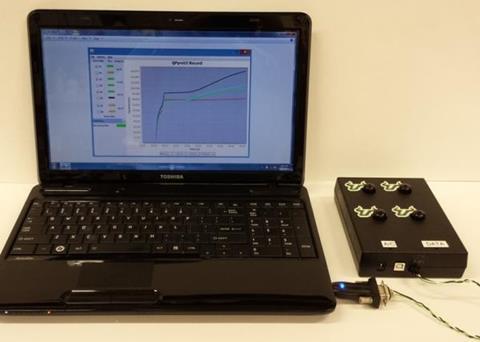
It’s estimated that up to 30% of seafood entering the US is fraudulently mislabelled, with most fish being passed off as grouper. The QuadPyre RT-NASBA sensor is able to test seafood samples using real-time nucleic acid sequence-based amplification. The handheld instrument that purifies and identifies the sample’s RNA is a portable version of the lab-based benchtop model previously developed.
"Using the hand-held device, a complete field assay, potentially carried out at the point of purchase, requires fewer than 45 minutes for completion and can be performed entirely outside of the lab," said John Paul, biological oceanographer at the USF College of Marine Science. “Some past assay procedures could take hours, even days to identify samples."
The scientists at the University say the sensor is even accurate enough to detect grouper substitution on cooked fish at the point of restaurant service, even when the samples are masked by breaking or sauces.
According to College of Marine Science graduate, Robert Ulrich, fraud involving grouper is common locally because it’s the third most economically valuable seafood product in Florida and there are commercial quotas on grouper catches.
"The demand for grouper in the US is so strong that it cannot be met by the harvesting of domestic species alone,” added Mr Ulrich. "In 2012, over 4,000 metric tonnes of foreign grouper, worth US$33.5m, were imported into the US. This mass quantity of imported grouper creates opportunities for fraud, which can lead consumers to pay more for lesser valued seafood species and may allow importers to avoid paying tariffs."
The College of Marine Scientists who developed the system say they hope its use will help ensure those charged with seafood purchasing and seafood commerce regulation can begin to close the inspection gaps and better combat seafood mislabeling fraud.
The technology is being commercialised by PureMolecular LLC under the name GrouperChek.