


A new treaty that aims to close fishing ports to ships involved in illegal, unreported and unregulated (IUU) fishing has been approved by FAO''s governing Conference. Once it enters into force, it will be the first ever legally binding international treaty focused specifically on this problem.
It will also be the only one to enlist so-called "non-flag states" in the fight against IUU fishing, alongside flag states that are primarily responsible for the conduct of vessels flying their flags on the high seas.
The "Agreement on Port State Measures to Prevent, Deter and Eliminate Illegal, Unreported and Unregulated Fishing" is set to enter into force once 25 countries have ratified it.
The first 11 FAO members - Angola, Brazil, Chile, the European Commission, Indonesia, Iceland, Norway, Samoa, Sierra Leone, the United States and Uruguay - signed the treaty immediately following its approval by the Conference.
By signing the treaty, governments commit themselves to prevent, deter and eventually eliminate IUU fishing including by taking steps to guard their ports against vessels engaged in IUU fishing, thereby preventing fish from such vessels from entering international markets.
Key measures that port states signing the treaty will commit to include:
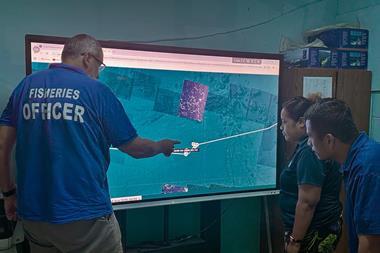
• Foreign fishing vessels wishing to dock will be required to request permission from designated ports ahead of time, transmitting information on their activities and the fish they have on board. This will give authorities an opportunity to spot any red flags in advance.
• Port States will conduct regular inspections of ships according to a common set of standards. Reviews of ship papers, surveys of fishing gear, examining catches and checking a ship's records can often reveal if it has engaged in IUU fishing.
• They also must ensure that ports are adequately equipped and inspectors properly trained.
• When a vessel is denied access, port states must communicate that information publicly and national authorities of the country whose flag the vessel is flying must take follow-up action.