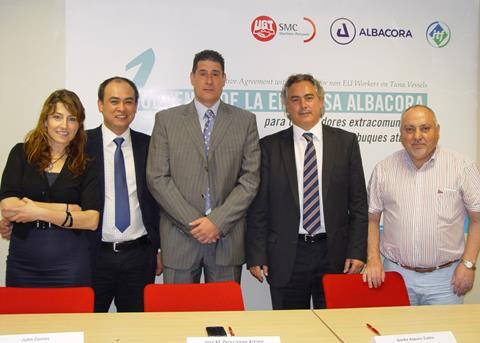
The new agreement follows several months of negotiations and provides for decent working conditions for non-EU nationals employed on Albacora’s boats, including standards above the minimum stipulated by International Labour Organisation (ILO) conventions.
It also sets out procedures for resolving incidents and problems onboard, with crew members having the right to trade union assistance and representation.
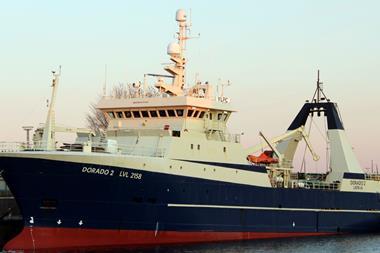
The UGT, an ITF affiliate and responsible for negotiating the agreement, acknowledges Albacora’s commitment to its employees and to collective bargaining. The agreement signed covers 700 workers employed on 17 boats.
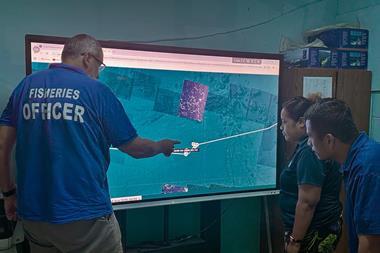
However, the UGT says that while the industry includes trustworthy and responsible companies, it also includes others that violate social and labour standards and rights and ignore the need for sustainable fishing. The UGT is calling on the authorities to ensure compliance with national and international standards and conduct a thorough analysis before issuing fishing licences or providing public subsidies to companies that repeatedly commit offences under national and international law.
“We cannot accept that such companies should receive the same treatment as those who show a sense of responsibility and are committed to good labour relations, proper employment contracts, legal catches and sustainable fishing”, said the UGT in a statement.
The fishing industry has not traditionally welcomed collective bargaining because of its nature. The ITF and its affiliates says it will continue to put pressure on at all levels to urge all companies in the industry to adopt collective bargaining as the best instrument to improve working conditions, as it also benefits the companies themselves by ensuring their compliance with the law, increasing competitiveness and enhancing their reputation in terms of corporate social responsibility (CSR).