


The future of Tanner and blue king crab stocks in Alaska waters is uncertain, according to NOAA Fisheries.
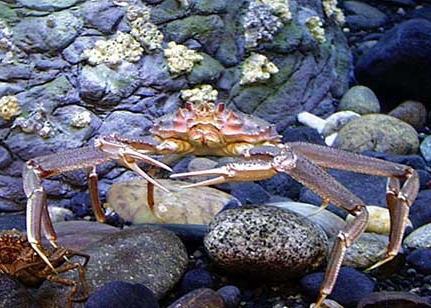
New studies by the NOAA Alaska Fisheries Science Centre looked at the effects of ocean acidification due to climate change on the Alaska crab stocks.
“A lot has to do with the stage in life that a crab is exposed to more acidic conditions (lower pH levels) than normal,” said Chris Long, from the NOAA Fisheries Alaska Fisheries Science Centre.
He added: “For instance, the ocean environment that larval Tanner crabs live in is highly dynamic, with variable levels of acidity. At this age, tanner crabs seem able to tolerate shifts in pH. But if these animals are exposed to more acidic conditions at the embryo stage, they may be less able to tolerate changes in ocean acidification as larvae.”
In another study on blue king crabs, scientists saw slower growth rates and higher mortality in juveniles exposed to more acidic conditions.
But it was suggested that environmental conditions could play a big role in the number of young that grow to maturity, due to the populations around the Pribilof Islands and St Matthew Island regions fluctuating dramatically.
The studies on Tanner and blue king crabs add to further work from NOAA Fisheries Alaska Fisheries Science Centre and the University of Washington.
André Punt, a scientist at the University of Washington, suggested that unless crabs adapt to changing pH there will be lower catches in 40-50 years.
This is a worry with 60% of US seafood coming from Alaska, and a huge profitable proportion of this crab.
“For blue king crabs, we saw over the course of our year-long study that juveniles became more tolerant of more acidic conditions the longer they were exposed. The longer they were in acidified conditions, the less likely they were to die,” said Mr Long.
He concluded: “This suggests that they are able to alter their body chemistry to adapt to acidified conditions. Their ability to adapt will really depend on how fast pH conditions change.”