



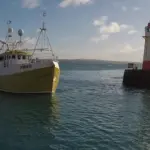


Forage fish are in trouble
WWF-Canada warns that forage fish are in trouble, following its new assessment of Canadian fisheries for its latest report Food for All.
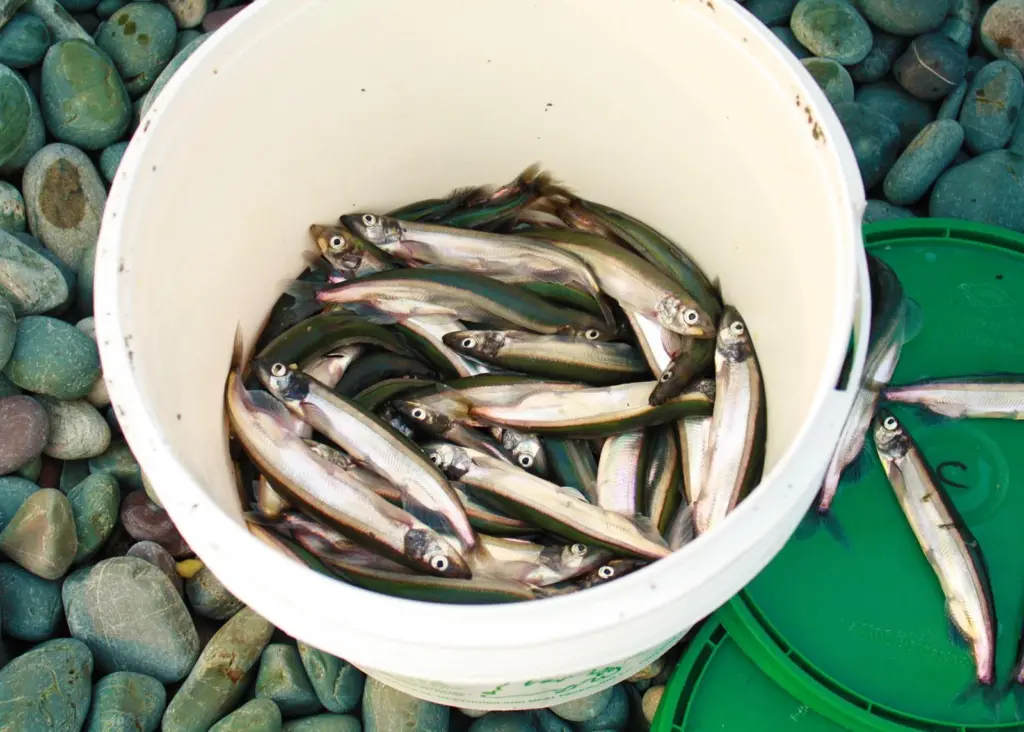
Assessing 27 fisheries against nine criteria, the WWF-Canada report determined that three fisheries are in a critical condition in Atlantic Canada – two herring stocks in the Gulf of St Lawrence, and one Atlantic mackerel fishery. Another fishery of concern is the herring fishery in southwest Nova Scotia/Bay of Fundy.
David Miller, president and CEO of WWF-Canada, said: “It’s shocking that many of these fisheries are being managed without adequate information about the stocks. WWF Canada’s report demonstrates that there is a lot of work to be done, protecting the forage fish that underpin the health of our ocean ecosystems.”
In 75% of the fisheries assessed, the stock status is unknown, including all capelin fisheries and all the fisheries in British Columbia.
WWF-Canada said that in all cases fisheries management does not sufficiently account for predator needs.
Forage species are small fish, such as herring and capelin. They are among the most abundant in the ocean by mass.
These small fish are vitally important to predators such as whales and seabirds, as well as critical to the recovery of commercial fisheries such as northern cod.
Because they are small fish, they are thought to be very susceptible to environmental changes. They are also vulnerable to overfishing because they congregate in shoals so are easy to catch even when the stock is declining.
WWF-Canada is working to modernise fisheries management to account for the needs of multiple species and strengthen eco-certification of forage fish fisheries.
It’s also looking to find alternatives to using forage fish as bait in commercial fisheries, such as lobster, and protect spawning beaches for commercial and non-commercial forage fish.
The full report is available online at www.wwf.ca/newsroom/reports/oceans
Related Articles
 FISHERIES
 FISHERIES
 WORLD FISHING EVENTS