




Smart fishing net reduces bycatch
A new underwater robotic sorting device to help trawlers reduce bycatch is being developed.
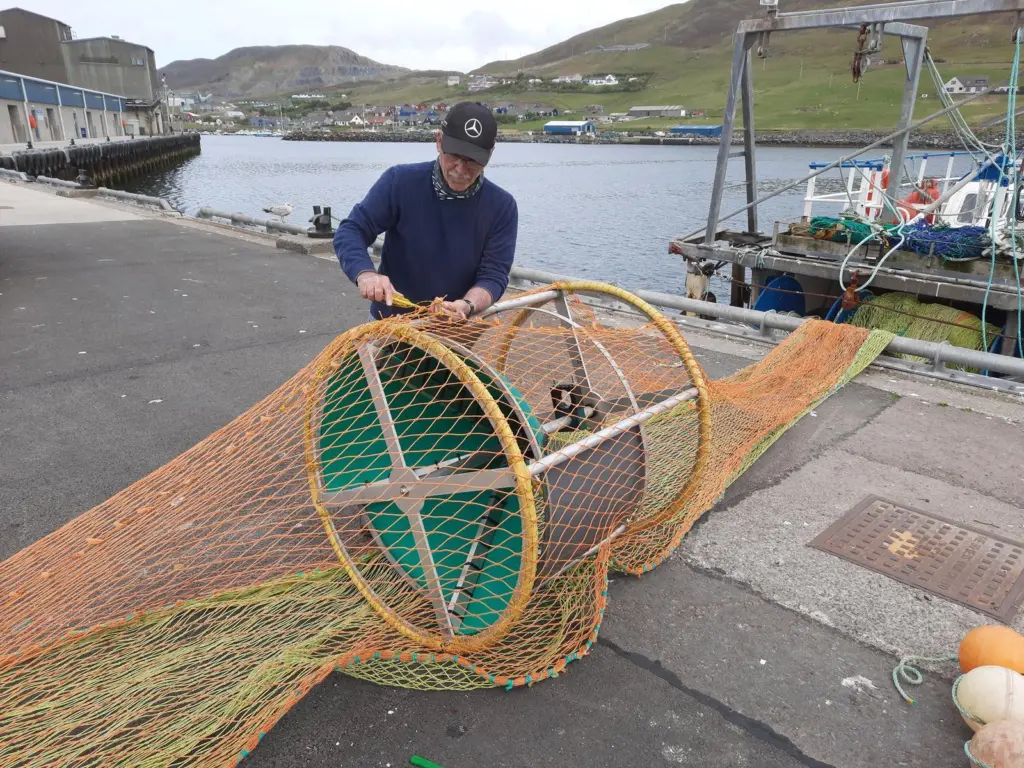
Supported by the UK Seafood Innovation Fund, researchers at Heriot-Watt University in partnership with Fisheries Innovation & Sustainability (FIS) are working on the Smartrawl device which identifies and sizes fish and other marine life, preventing unwanted catch from making it on board.
Global marine fisheries data estimates that 46% of discarded fish come from trawling.
“More than four million tonnes of marine fish are unintentionally caught by trawlers around the world every year, as well as bycatch of sharks, rays, dolphins, critically endangered turtles and seabirds,” said Paul Fernandes, the inventor of Smartrawl and professor of fisheries science and technology at the Lyell Centre at Heriot-Watt University.
“The sad reality is that these creatures, more often than not, are returned to the sea dead or dying.”
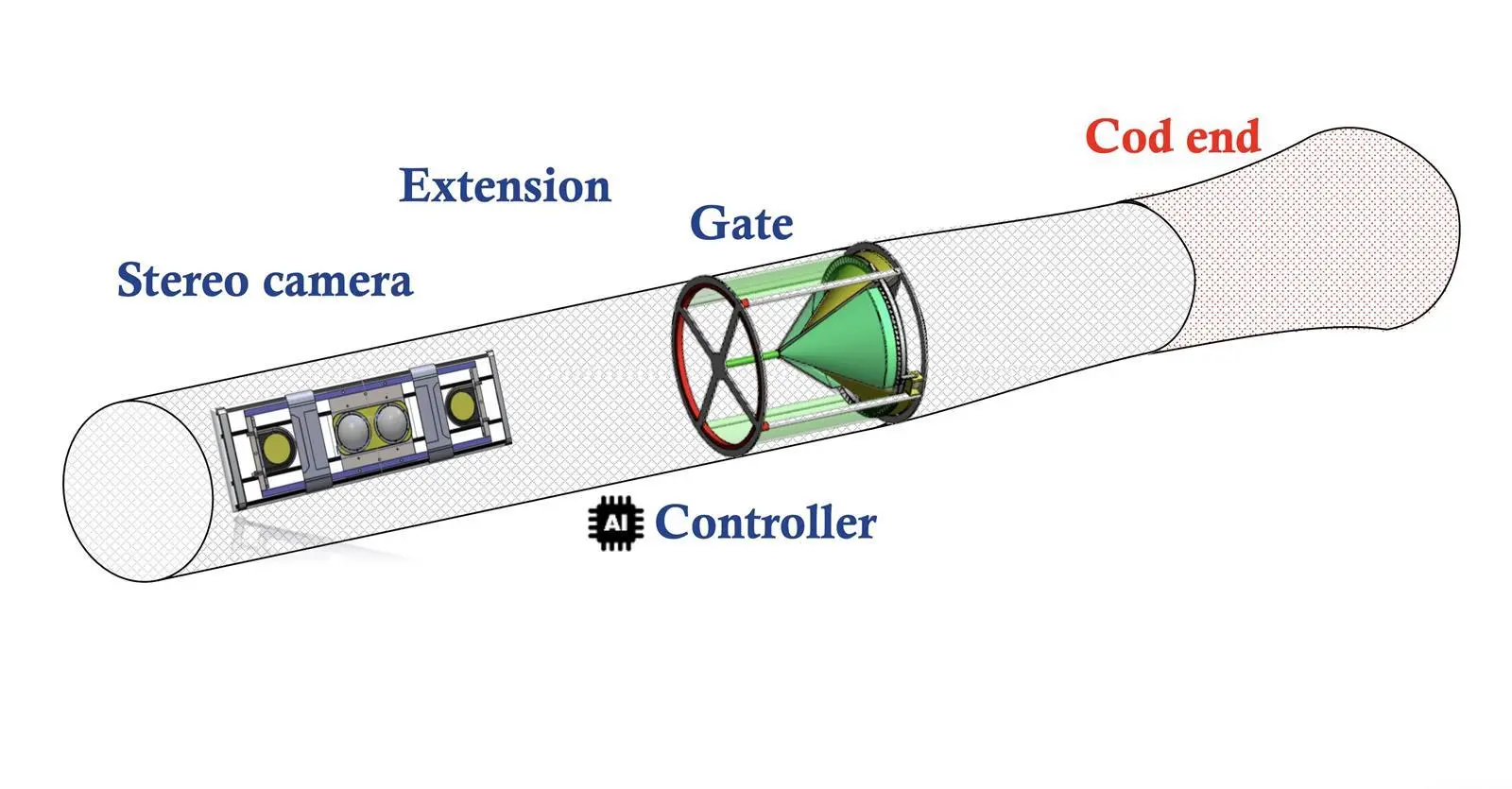
Suitable for any net on any vessel, Smartrawl uses artificial intelligence to determine the size and species of marine life using images taken by an underwater camera, releasing or retaining catch using a robotic gate which needs only the force of the water to operate.
“Current methods used on trawlers are unable to distinguish between different species and animals or give skippers enough information to build an accurate understanding of the size of individual fish prior to capture,” continued Fernandes.
“We’re confident that discarding and bycatch could quickly become a thing of the past and our precious marine life preserved.”
Using the system, fishers will be able to program trawls to target specific species and sizes based on market conditions and allotted quotas.
“Smartrawl presents a significant step towards benefiting the marine environment whilst protecting the business reputation of seafood producers and contributing to the UK economy,” said David Richardson, chief entrepreneurial executive at Heriot-Watt University.
“Significantly, it has the potential to revolutionise fisheries around the world by supporting them to be more commercially viable and sustainable.”
Related Articles
 PROCESSING & REFRIGERATION
 SEAFOOD
 FISHING TECHNOLOGY