


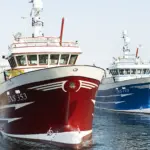



Fishermen can reduce discards
Pioneering UK trials have shown that thousands of tonnes of fish could avoid being discarded, if fishermen are required to count all the fish they catch as part of their quota.
The report shows that fishermen taking part in the UK’s Catch Quota trials have stopped throwing away fish. Its findings add weight to the UK Government’s calls for drastic reform of Europe’s broken and wasteful Common Fisheries Policy.
Under current European Commission rules fishing boats are given quotas for landing different types of fish in a specific area. If they go over their allowance they can continue to fish as long as they don’t land any more of that quota fish – leading to perfectly edible fish being thrown overboard.
Catch Quota trials began in the UK in 2010 and were expanded in early 2011 to include English fishermen catching West Channel sole as well as cod in the North Sea. Boats taking part have to land all of the fish of these species that they catch so they all count against their quota. Once the quota is used up they have to stop fishing completely. Onboard monitoring, including CCTV cameras, checks whether they are following the rules.
Trial manager Julian Roberts, from the Marine Management Organisation who manages the trial on behalf of Defra, said, “Fishermen in the trial are demonstrating that they can avoid catching small, low value fish which might otherwise be discarded.
“They tend to be more selective in choosing their fishing grounds and introducing better gear that targets only larger fish. This can only be good news for the fishing industry’s sustainable future.”
The report shows that fishermen involved in the trials are discarding less than one per cent of the cod and sole they catch.
This evidence will be used as the UK pushes to improve proposals to reform the Common Fisheries Policy put forward by the European Commission earlier this year.
Related Articles
 FISHERIES
 FISHERIES
 WORLD FISHING EVENTS