


Understanding seabird interaction in Scottish longline fisheries
Scottish government-funded study seeks to expand the knowledge and understanding of seabird by-catches in the offshore longline fishery for hake in UK and EU waters. This is being done through new data analyses and dialogue with the industry, with possible solutions being explored.
Scottish government has a strong commitment to providing a clean, healthy, safe, productive and biologically diverse marine environment, and the Marine Scotland 20-2019 Programme for Government committed to identify actions to address the significant declines in seabird populations through a new Scottish Seabird Conservation Strategy (SSCS).
The developing SSCS highlights the vulnerability of seabird species to a range of human pressures, including incidental by-catch in fisheries. Consequently, estimating bycatch levels and understanding the possible effects of bycatch mortality on seabird populations (and reducing it where necessary) forms a fundamental element in supporting Scottish government’s long-term environmental ambitions.
Under the UK Fisheries Act (2020), the ecosystem objective calls for any incidental catches of sensitive species to be minimised and, where possible, eliminated.
Scotland’s Fisheries Management Strategy (2020-2030) also includes an international commitment to monitor and reduce incidental by-catches, including those of marine mammals and birds. The strategy also embraces an ecosystem-based approach to fisheries, with a focus on “conservation of vulnerable and protected species, for example, by limiting unwanted by-catch and encouraging proper handling practices when returning protected species to the sea”.
Pinpointing by-catches
In 2020, data collected by onboard observers from the UK Bycatch Monitoring Programme (BMP) were used to produce the first broadscale UK seabird by-catch estimates for net, pelagic trawl and longline fisheries. This work highlighted a few fisheries, where by-catch rates of seabirds appeared to be relatively high – with the caveat that some data was sourced from small sample sizes relating to some fisheries methods and the likelihood that sampling data may be biased for a variety of reasons, including uneven spatial and seasonal coverage.
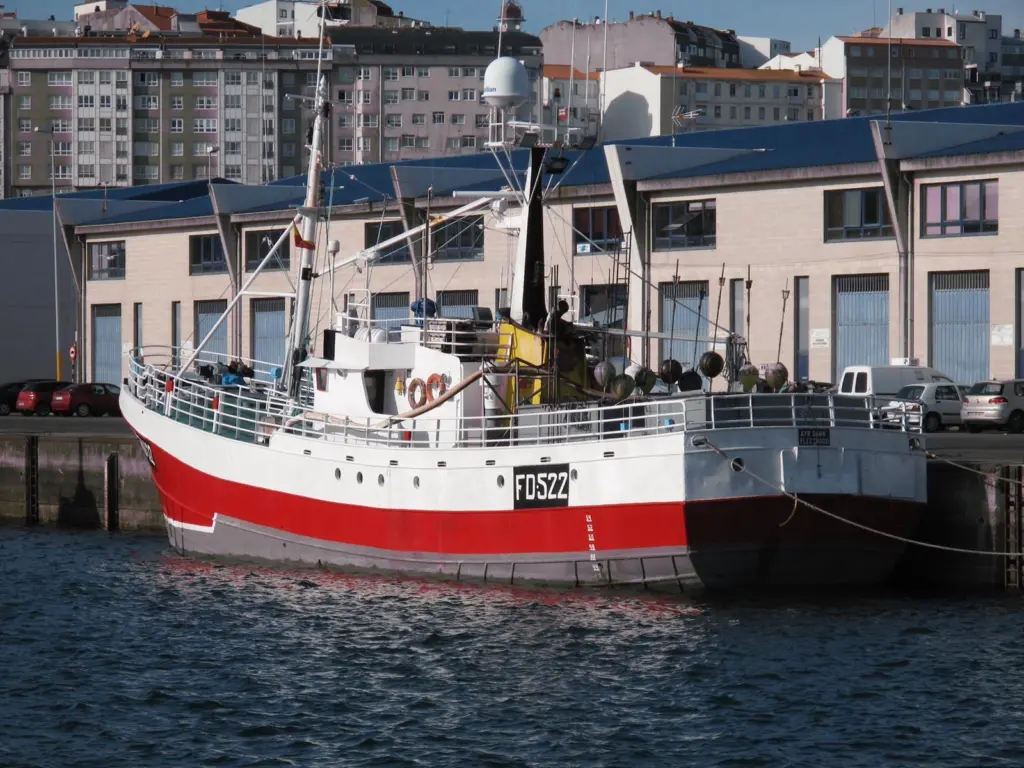
The offshore longline fishery for hake, currently involving 14 UK-flagged and a number of EU-flagged vessels, was highlighted as demonstrating relatively high rates of seabird by-catch. Data gathered between 2010 and 2018 over a relatively narrow sample of just 14 trips indicated the seabird by-catch to be in the region of 4,500 birds. However, confidence intervals around the estimates were wide and the estimates were based on a small sample size over a nine-year period that might not have been representative of the fleet activity in the years 2016 and 2017 for which the estimates were produced.
Most of the recorded seabird by-catch was of northern fulmar, a species which has shown a shallow decline in numbers at nesting sites in Scotland since the mid-1990s. Although the drivers of this decline are not known in detail, they are considered most likely to be due to a decline in the North Sea whitefish industry and lower volumes of discharged offal from fishing vessels.
Following the publication of the 2020 report, the fishery came under increased attention from some conservation groups, prior to which one of the two main industry bodies representing UK longliners had already expressed a wish to explore by-catch mitigation measures – and informal discussions had already begun.
Mitigation actions
Scottish government has funded this latest study to build on the outcomes of the 2020 report and this includes a broad range of objectives addressed using qualitative and quantitative approaches. New data analyses were undertaken, and possible by-catch mitigation approaches have been explored by collating relevant information from the wider literature and through discourse with industry and other researchers working on seabird bycatch in similar fisheries.
The study (in six sections) uses data collected in the UK longline fishery between 2010 and 2021 and explores what factors may be linked to seabird by-catch rates in the fishery through statistical modelling approaches to try and identify when, where and in what circumstances seabird by-catch is most likely to occur in the fishery. An assessment of the spatial and temporal sampling coverage was also undertaken to explore the representativeness of existing sampling data.
It provides updated by-catch estimates for the longline fishery using additional observer data that has doubled the number of observed hauls since the estimates of the Northridge et al. report in 2020 and summarises detailed notes collected by the observer during data collection activities, and describes work carried out to gain a better understanding of by-catch in the fishery, and the drivers for and willingness to address by-catch directly from skippers involved in the fishery.
In conclusion, it draws together the findings in a general discussion on the strengths and weaknesses of the data, highlights improvements in data collection/analysis and indicates some initial candidate mitigation measures for testing based on the literature review, existing sampling data and direct input from vessel skippers.
Related Articles
 FISHERIES
 FISHERIES
 FISHERIES