


UK public urges bottom trawling ban
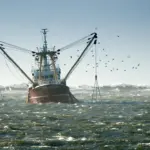
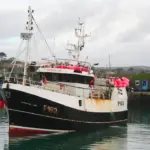
New research from the Blue Marine Foundation reveals that 77% of UK adults are concerned about the loss of marine life caused by bottom trawling, with only 26% believing the government is doing enough to protect the ocean.
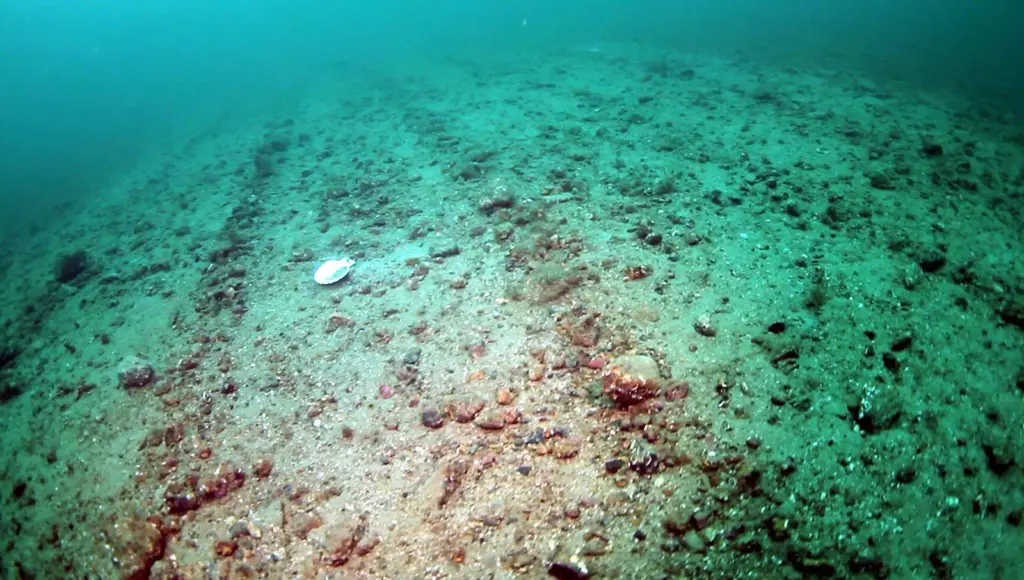
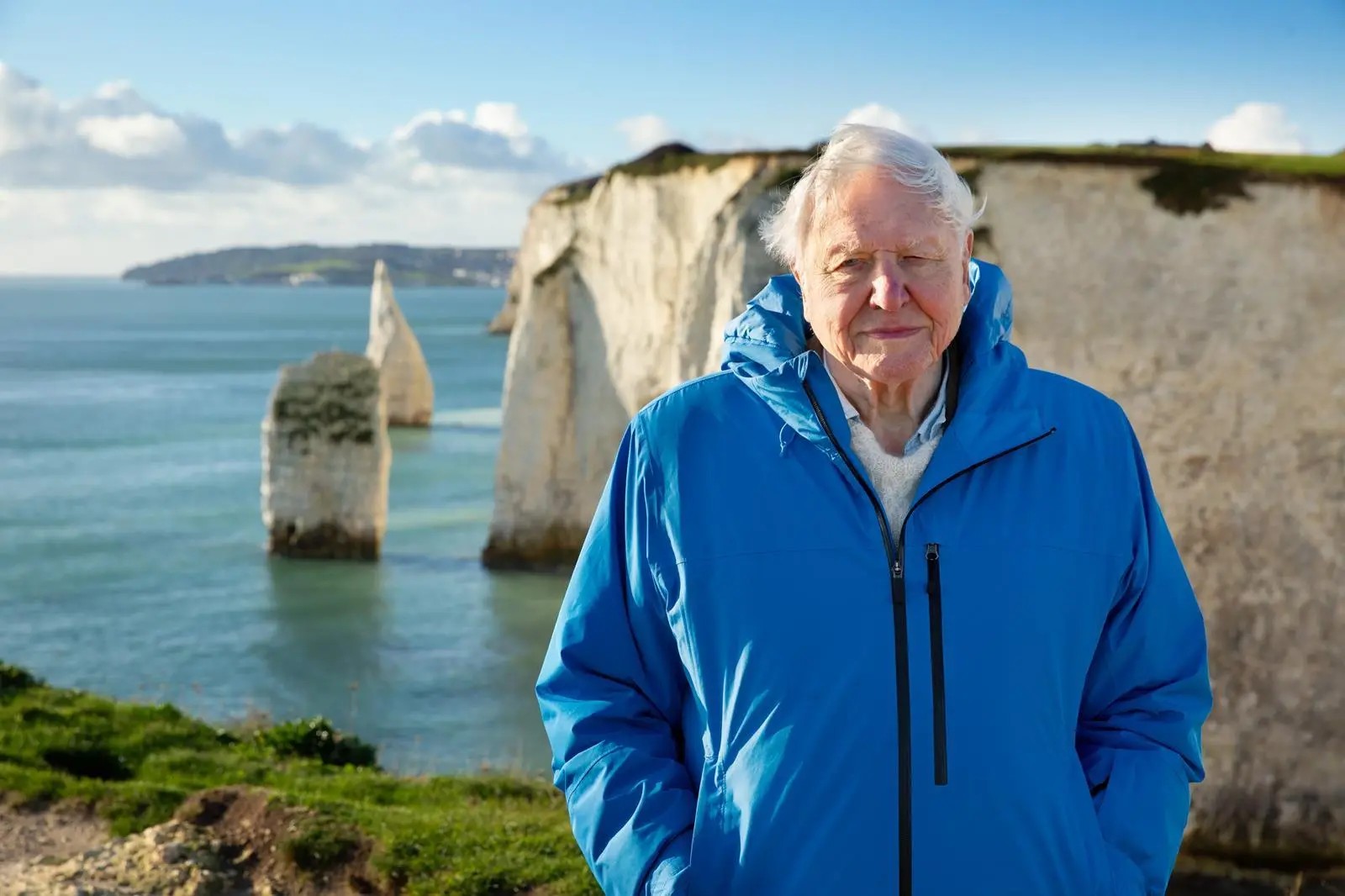
The findings come as Sir David Attenborough’s new film, ‘Ocean’, exposes rarely seen destruction of the seabed, prompting renewed calls for urgent action.
“For too long, industrial bottom trawling has happened out of sight and out of mind,” said Clare Brook, chief executive of Blue Marine Foundation.
“David Attenborough’s magnificent film has lifted the lid on a destructive and wasteful practice that has no place in protected areas.”
Despite their name, most UK marine protected areas remain open to bottom trawling. The practice continues in 74% of England’s inshore MPAs and 92% in Scotland, including in sensitive habitats like seagrass meadows.
The survey of 2,000 UK adults shows overwhelming public support for change. Three quarters back a ban on bottom trawling in MPAs, and 62% say a politician’s stance on ocean protection influences their vote. Alarmingly, 63% were unaware that bottom trawling is still allowed in these supposedly protected zones.
Charles Clover, co-founder of Blue Marine, called the continued destruction ‘ecological vandalism’, saying, “Protected areas should be just that.”
Dr Ruth Thurstan of the University of Exeter echoed the urgency. “Marine ecosystems can recover if we give them the chance,” she said. “This is the moment to act.”
Related Articles
 FISHERIES
 SEAFOOD
 SUSTAINABILITY