



Treaty of the High Seas adopted
The Treaty of the High Seas was adopted by consensus and standing ovation during the United Nations meeting in New York on 19 June 2023.
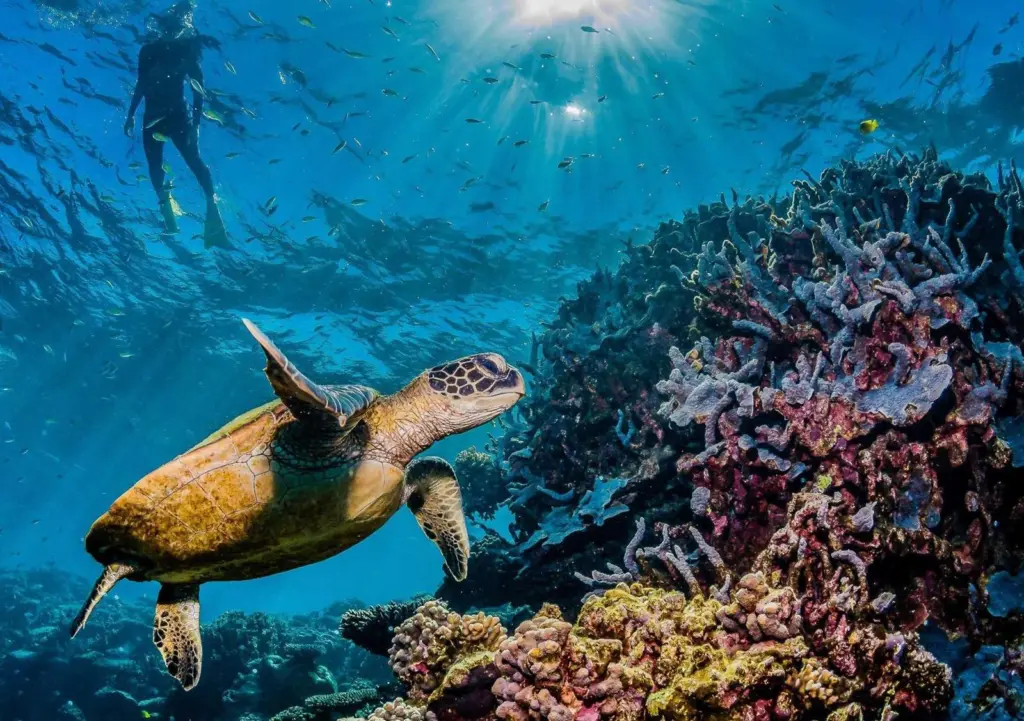
According to the UN, this treaty – also known as “BBNJ” (biodiversity beyond national jurisdiction) – is key to protecting the ocean, promoting equity and fairness, tackling environmental degradation, fighting climate change, and preventing biodiversity loss in the high seas.
Adoption marks a successful end to more than a decade of multilateral work. This agreement is also a welcome addition to the United Nations Convention on the Law of the Sea (UNCLOS), which provides the legal framework under which all activities in the ocean take place.
The treaty will enter into force when 60 parties ratify it.
The European Union has committed to support the treaty’s ratification and early implementation through the EU Global Ocean Programme of €40 million and has invited members of the High Ambition Coalition to do the same within their capabilities.
“This is a major win for biodiversity – a game changer for the protection of the ocean and the sustainable use of its marine resources. The European Union and its member states are committed to signing and ratifying the BBNJ Agreement as soon as possible. We urge others to do so too, as we hope the BBNJ Treaty will receive universal ratification and swiftly enter into force,” EU Commissioner for Environment, Oceans and Fisheries Virginijus Sinkevičius said.
The BBNJ Treaty sets up a procedure to establish large-scale marine protected areas (MPAs) in the high seas, which will facilitate achieving the target of effectively conserving and managing 30% of land and sea by 2030, which was agreed in December 2022 within the Kumming-Montral Global Biodiversity Framework.
It also establishes the sharing of benefits from marine genetic resources and foresees capacity building and the transfer of marine technology between the parties. Furthermore, it contains clear rules to conduct environmental impact assessments, with the right checks and balances, before running activities in the high seas.
Areas beyond national jurisdiction cover nearly two-thirds of the world’s oceans, including the high seas. Containing marine resources and providing invaluable ecological, economic, social, cultural, scientific and food-security benefits, it’s recognised they are under mounting pressure from pollution, overexploitation, climate change and decreasing biodiversity.
In March 2023, global negotiations concluded on the landmark Treaty of the High Seas.
Related Articles
 FISHERIES
 FISHERIES
 FISHERIES