






Tighter EU fisheries control rules enter into force
New rules that modernise the way fishing activities are controlled in the European Union have been introduced, covering EU vessels and non-EU vessels fishing in Union waters.
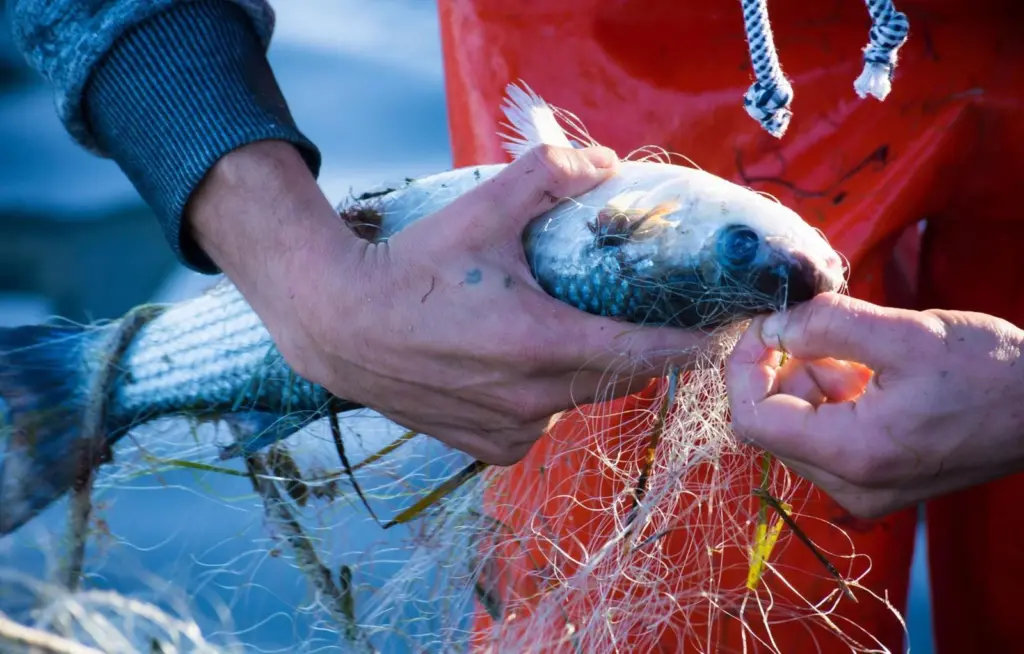
Many of the changes made relate to the improved monitoring of fishing activities and traceability of catches by making use of the best available technology and sanctioning those breaching the rules.
Having entered into force with effect from 9 January 2024, the revised EU Fisheries Control Regulation is intended to help prevent overfishing, create a more effective and harmonised fisheries control system and ensure a level playing field between different sea basins and fleets.
The regulation updates most of the rules for controlling fishing vessels to bring them in line with technological developments and make EU fishing more sustainable.
“The revised fisheries control system is the culmination of five years of negotiations. With it, we are significantly updating the way fishing activities are monitored, to ensure that our precious marine resources are better protected, and fisheries control rules are better enforced through the whole chain, from the net to the plate,” EU Commissioner for the Environment, Oceans and Fisheries Virginijus Sinkevičius said.
According to the European Commission, the new provisions will ensure a more harmonised fisheries control system for EU fisheries and better preserve marine resources through a strengthened fight against illegal, unreported and unregulated fishing (IUU), and the transition to full digitalisation, new technologies and modern data management.
It advised that the control of fishing activities will be entirely digitalised – from the net to the plate – by gradually expanding the geo-localisation and electronic reporting to all fishing vessels, irrespective of their size, and mandating catch recording and reporting in certain recreational fisheries.
All fishing vessels will be tracked via a vessel tracking systems (VMS) and all catches will need to be recorded via electronic means, with user-friendly tools such as apps on mobile devices used to remove the burden for fishers.
For the first time, full digital traceability will be mandatory along the supply chain, enabling the authorities to more effectively tackle illegal fishing. The system will be mandatory for fresh, frozen fishery and aquaculture products and will gradually be expanded to processed fishery products, such as canned products, by providing more information on the origin to consumers. These rules will apply to all fishery products including imported ones.
The new EU control system rules also strengthen the compliance of the landing obligation (to make sure unwanted catches are not illegally discarded at sea, but brought to shore): they include obligations for remote electronic monitoring (with onboard cameras) for fishing vessels above 18 metres that present a high risk of non-compliance with this obligation.
The new rules also include harmonised sanctions for breaching the rules of the common fisheries policy (CFP), in particular in the case of serious infringements.
For imported fishery products, the use of the IT tool CATCH will become compulsory. EU importers will need to use CATCH from 9 January 2026 to submit the catch certificates for the importation of fishery products in the EU market.
CATCH streamlines the catch certification process for fishery products entering the EU market and offers a fully digitalised and paperless workflow. It facilitates the exchange of data, information and documents between all involved trading parties and control authorities and therefore simplifies and speeds up the administrative procedures.
The Commission said CATCH makes it easier to identify and prohibit importation into the EU of fishery products obtained from IUU fishing, thus improving the effectiveness of the EU IUU Regulation’s catch certification scheme.
While the regulation entered into force on 9 January 2024, there are transitional provisions to leave enough time for the EU’s fishing authorities and other relevant stakeholders to adapt to the new requirements. Most provisions of the amended regulation will apply in two years, from 10 January 2026. Derogations to the margin of tolerance apply in 6 months (from 9 July 2024).
Some provisions will apply only after four years (from 10 January 2028), as their implementation may require some preparatory work, such as the remote electronic monitoring, or electronic tracking and catch recording for small scale fleet.
Few other provisions will apply only after five years (from 10 January 2029), such as the ones on traceability for prepared and preserved fishery and aquaculture products or for algae.
Related Articles
 FISHERIES
 FISHERIES
 FISHERIES