



Spain sued over MPA trawling
ClientEarth and Oceana have taken the Spanish government back to court, accusing it of routinely permitting bottom trawling inside marine protected areas (MPAs) in breach of national and EU laws.
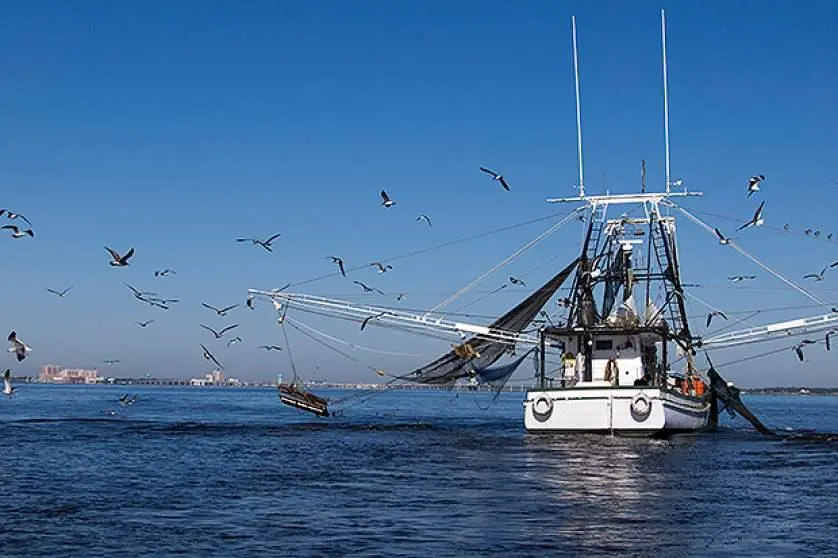
The groups argue that Spain’s Ministry of Agriculture, Fisheries and Food, led by Minister Luis Planas, continues to issue annual licences for the practice without conducting the environmental assessments required by law. In the Mediterranean, licences have reportedly been granted even in zones where bottom trawling is explicitly banned under European regulations.
“These sites are called marine protected areas for a reason,” said Marine conservation lawyer at ClientEarth Francesco Maletto.
“They should be safe from destructive practices. Yet, Spain continues to systematically allow bottom trawling in them, in clear breach of national and European conservation laws.”
Oceana’s senior policy advisor in Europe, Michael Sealey, added that the Ministry’s stance contradicts its own sustainability obligations. “It is such a contradiction that the Fisheries Ministry is not deploying its best efforts to prevent destructive fishing in marine protected areas, when science has proved that if properly managed they are excellent tools to support sustainable fisheries,” he said.
“It is time for Minister Luis Planas to act and stop turning a blind eye to this reality.”
The organisations first filed a complaint in October 2024, but say little has changed. New licences continue to be issued without guarantees that protected sites will remain intact.
Spain has committed to protecting 30% of its waters by 2030 – 10% under strict protection – and must submit management plans for its Natura 2000 network by June next year.
Conservationists warn that these goals are incompatible with the ongoing authorisation of bottom trawling, one of the most destructive fishing methods, known for flattening habitats such as seagrass meadows, cold-water corals and sponge beds, and for disrupting the ocean’s carbon storage capacity.
Related Articles
 FISHERIES
 SEAFOOD
 SUSTAINABILITY