



Smaller whitefish catch impacts Iceland’s June landings
The volume of fish and shellfish landed by the Icelandic fishing fleet decreased by 1% or 428 tonnes in June 2023 to a total 34,837 tonnes, according to preliminary figures for the month gathered by the country’s Directorate of Fisheries.
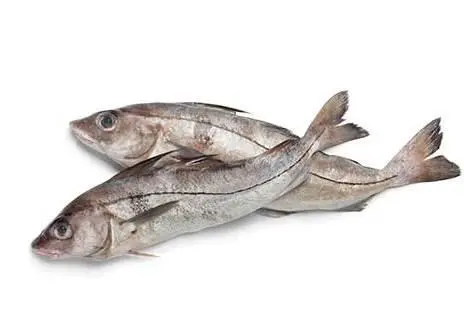
The drop was mainly attributed to a depleted demersal catch versus June 2022. This fell 5% to 29,739 tonnes, with the cod volume slipping 2% to 15,338 tonnes, saithe down 18% to 3,596 tonnes and redfish falling 16% to 3,734 tonnes. However, the haddock catch climbed 58% year-on-year to 3,922 tonnes.
Last month’s total pelagic volume increased 54% to 1,974 tonnes. This was mostly due to a 208% rise in the mackerel catch, which totalled 1,937 tonnes. Aside from mackerel, just 34 tonnes of blue whiting and 3 tonnes of herring was caught, while no capelin catch was recorded for the month.
Meanwhile, Iceland’s flatfish catch increased by 12% to 2,708 tonnes, and its shellfish landings climbed 27% to 416 tonnes.
The Directorate of Fisheries’ data also determined that the July 2022 to June 2023 catch totalled 1,345,959 tonnes, which was 10% less than in the previous 12-month period. There were decreases in the demersal (-8% to 408,479 tonnes) and pelagic (-12% to 906,783 tonnes) categories. Shellfish landings increased 7% on the previous 12 months at 6,176 tonnes, and the total flatfish landings lifted 11% to 24,424 tonnes.
Related Articles
 FISHERIES
 FISHERIES
 FISHERIES