



Skipjack tuna eco-certified
The Association of Large Freezer Tuna Vessels (Asociación de Grandes Atuneros Congeladores, AGAC) has obtained Marine Stewardship Council (MSC) certification for skipjack tuna (Katsuwonus pelamis) in the Indian Ocean after more than two years of independent assessment.
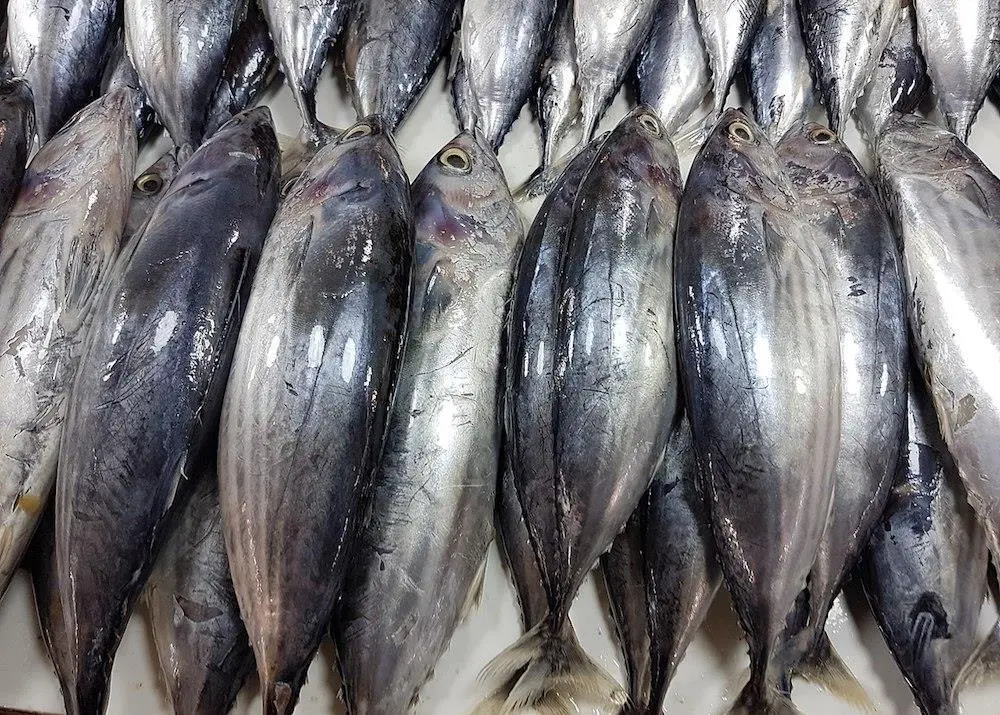
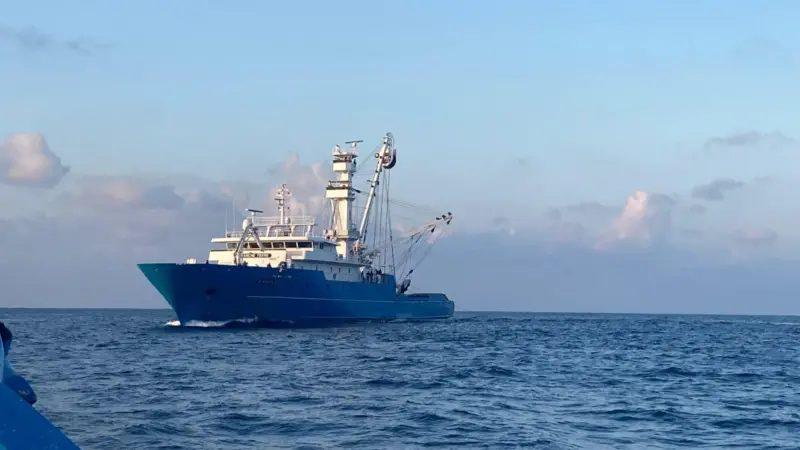
Certification applies to skipjack tuna caught using AGAC’s fleet of 14 purse-seine vessels in the Indian Ocean. It includes catches associated with fish aggregating devices (FADs) and from free school sets. It follows more than 10 years’ work to improve the sustainably of the fishery, including a fisheries improvement project (FIP) started in 2016 and completed in 2020.
To verify its sustainability, the fishery underwent assessment by independent conformity assessment body Lloyd’s Register (now LRQA). Sixteen stakeholders participated in the assessment by submitting information or being interviewed.
Since 2012, AGAC has implemented a Code of Good Practice (CGP) to address impacts on non-target species, including the adoption of non-entangling FADs before this requirement became mandatory in some Regional Fisheries Management Organisations (RFMOs).
Compliance with the CGP is verified annually by the independent scientific organisation AZTI.
In addition, AGAC has made great strides in reducing the impact of FADs on vulnerable habitats and the ecosystem by launching the first multi-stakeholder FAD-recovery project in the world (FAD-Watch, in the Seychelles), by spearheading the transition to biodegradable and non-entangling FADs and also by monitoring this transition through an observer programme.
“Congratulations to AGAC for this achievement in the Indian Ocean, which is part of wider assessment in the different oceans where the tuna association operates. We acknowledge the decade of work that the members of the association have undertake to improve their practices and to meet the MSC Standard. This certification is excellent news for business and consumers looking for sustainable tuna,” MSC Programme Director for Spain and Portugal Laura Rodriguez said.
AGAC was established in 1980. Today, the association is made up of nine shipowner groups, including Spanish ships (grouped in OPAGAC) and investments by these shipowners in ships from coastal countries in Ecuador, Seychelles, El Salvador, Curaçao, Panama, Guatemala and Belize.
Related Articles
 FISHERIES
 FISHERIES
 FISHERIES