





Seafish: Challenges continued for UK fishing fleet in 2022
Fish prices trended upward in 2022 but profits declined in another challenging year for the UK fishing fleet, according to new financial estimates released by UK public body Seafish.
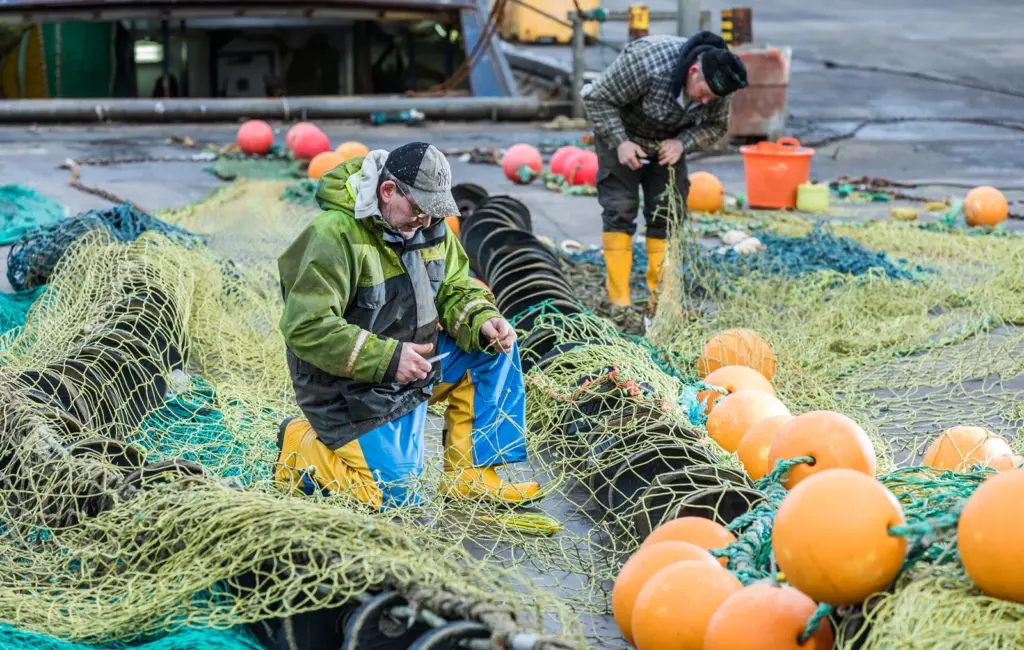
Every year, Seafish fleet survey researchers head to ports across the UK to talk to fishing vessel owners and ask questions about their performance. The data collected shows the annual economic performance of the fleet in 2021 and preliminary estimates for the year 2022, based on samples of their costs and earnings. When comparing data with the two previous years, the 2022 preliminary estimates paint a picture of the performance of the fleet in a post-pandemic landscape, with many of those surveyed reporting that financial struggles remain a major concern.
The survey work also showed that in terms of the size of the fleet, the number of active fishing vessels continued to decrease in 2021 and 2022 leaving the UK fishing fleet with just under 4,080 active vessels in 2022. Of that number, around 1,300 were deemed by Seafish as low activity, reporting an annual income of less than GBP 10,000.
Covid-19 effects and associated lockdown measures continued to be felt into the first part of 2021, combined with the new trade requirements after EU exit, Seafish found.
However, there were indications of economic recovery by the second half of 2021 as prices and demand recovered. Total operating profit of the fleet in 2021 was GBP 256 million, a 5% increase from 2020 although still below the GBP 267 million of 2019.
In 2022, the start of the Ukraine war and subsequent rise in fuel prices dramatically altered the landscape. Total spend on marine fuel in 2022 was an estimated GBP 195 million, a 75% increase from 2021. As fuel prices increased, total operating costs also went up reaching the highest figure in the last four years.
Rising costs on gear, packaging and insurance put further pressure on fishing businesses, negatively impacting vessel owners all over the UK, the survey results showed.
As fuel costs went up, so did market prices. Fish saw a significant price increase in 2022, as the average price per tonne landed increased for many species. Nephrops prices, for instance, were 39% higher on average while scallop prices went up 18% compared to the previous year, although scallop average prices were still lower than pre-Covid-19. This translated into higher revenues for the fishing sector with turnover of the fleet at around GBP 1 billion, a figure similar to 2019 (pre-Covid-19 and EU exit). However, with the cost of living and fuel prices rapidly escalating, profits dropped, with the fleet making 13% less profit than in 2021 and 17% less than in 2019.
“Our preliminary economic estimates show that 2022 was another difficult year, with fuel costs impacting profits as we predicted back in April 2022. The rise in fuel prices had a significant effect, partially counteracted by a global shortage of whitefish due to the Russian-Ukrainian conflict. Sanctions on Russian seafood increased average prices of whitefish fish while increased demand drove up prices of shellfish, which helped many businesses stay afloat,” said Seafish Economics Analyst Marta Moran-Quintana.
“It is still too early to assess how other costs, such as labour and wages, have changed. We are working to get better understanding of changes in costs structures and fleet adaptability to economic pressures experienced last year.”
The data has been published in Seafish’s online Fleet Enquiry Tool https://public.tableau.com/app/profile/seafish/viz/FleetEnquiryTool/1Overview.
Seafish’s 2023 fleet survey is already underway with the body’s researchers talking to skippers and vessel owners about the performance of their business. The survey is set to close at the end of September.
Fleet survey researcher Rebecca Spain is in her second year at Seafish. On her impressions of 2023 after talking to vessel owners, she said: “Last year, one of the biggest challenges was the soaring fuel costs, which took a significant toll on fishermen’s businesses. Vessel owners tell me that while this year saw a drop in fuel prices, the ongoing cost of living crisis and inflation continues economic pressure on business expenses. Some fishers have also seen their harbour dues and insurance rise by 10% in 2023.”
Related Articles
 FISHERIES
 FISHERIES
 FISHERIES