


Scottish blue whiting season nears end
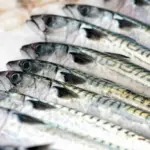
The blue whiting season for the Scottish pelagic fleet is approaching its conclusion, with the fishery expected to wrap up within the next fortnight.
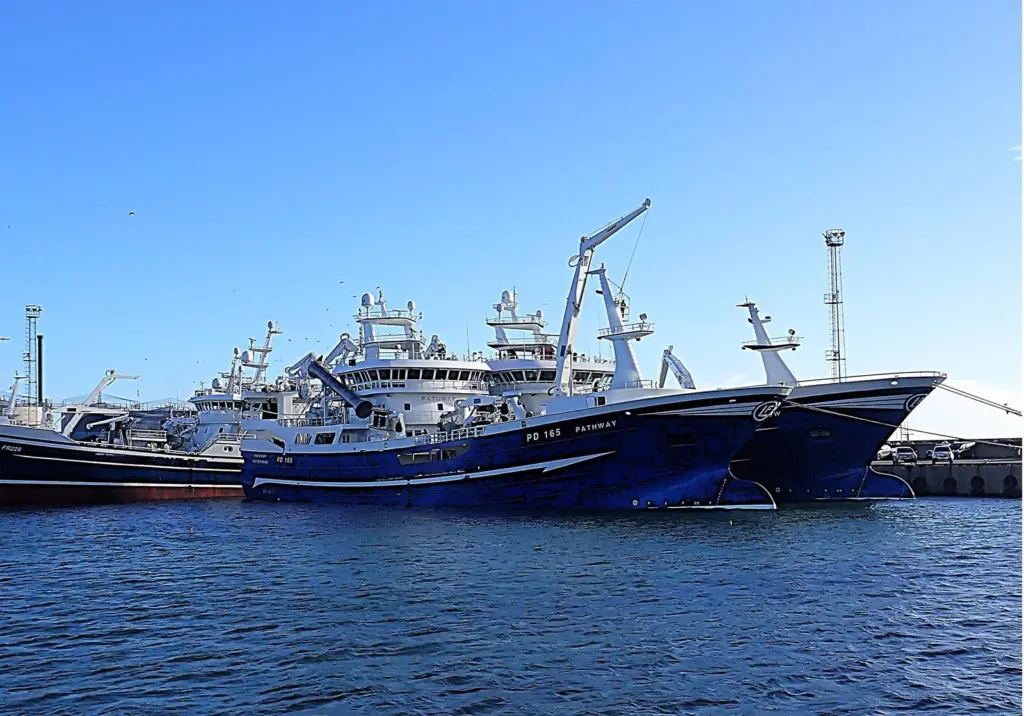
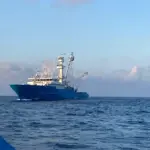
Boats are currently fishing west of Scotland, landing their catches in a range of countries such as Scotland, Norway, Denmark, the Faroe Islands and Iceland.
The fishery for Scottish boats began off Donegal in Ireland, where blue whiting gather to spawn early in the year before migrating northwards, past Scotland and into Faroese and Norwegian waters for the summer.
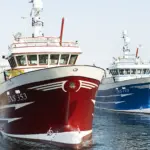
Around half of the Scottish fleet holds blue whiting quota, with the eight-week season playing a key role in supporting onshore processing facilities during the quieter period when mackerel and herring fisheries are inactive.
The blue whiting fishery has long been a part of the North Atlantic fishing tradition, with Norway leading the way since the 1970s. Scottish boats joined the fishery shortly thereafter, and, today, the EU, Faroes, Iceland, Russia and Greenland are also active participants.
The fish are typically found offshore in stormy conditions, making it challenging to fish for them, so only the larger mackerel and herring vessels in the Scottish fleet are capable of targeting blue whiting.
Once the blue whiting season concludes, the fleet will shift its focus to the North Sea herring fishery, starting with the maatjes fishery in June, followed by the main herring fishery later in July. Mackerel will become the target species from October onwards.
Related Articles
 FISHERIES
 FISHERIES
 FISHERIES