




Scotland consults on bottom-trawl ban
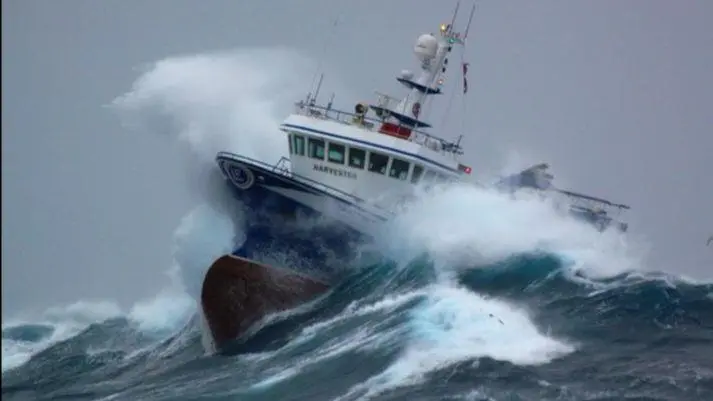
Scottish Government has embarked on a public consultation that could ban bottom-trawl fishing across 20 offshore marine protected areas (MPAs). For 15 of these, the government is considering two options – banning bottom trawling across the whole site, or protecting only “features” – such as reefs – where they are present. For the remaining five, only site-wide bans are being proposed.
Scottish Cabinet Secretary for Net Zero and Energy Gillian Martin said: “Scotland has beautiful and diverse marine ecosystems. However, the twin biodiversity and climate crises mean we must act now to support the recovery and resilience of our marine environment, and the sustainability of the communities and industries that rely on it.
“Marine protected areas already provide focused protection for the species and habitats in our waters. By implementing proposed fisheries management measures, we can further guard against further biodiversity loss, help to restore high priority marine features and make a greater contribution to supporting and maintaining the marine ecosystem, which in turn supports our long-term food security.
“This will help ensure our seas remain a source of prosperity for the nation, especially in our coastal and island communities. These proposals are the result of many years of development and we will continue to consult very closely with industry and coastal communities to hear their views.”
The Scottish MPA network now extends across more than 230 sites for nature conservation and covers 37% of Scotland’s seas. Each individual MPA has specific conservation objectives for the features the site is designated to protect, which range from deep sea sponge aggregations to ocean quahog – a thick shelled clam which can live for more than 400 years – and coldwater coral reefs.
Ellen Last, MPA and Fisheries Advice Manager at the Joint Nature Conservation Committee (JNCC) said: “Scotland’s offshore MPAs protect a range of important habitats and species, which provide a range of ecosystem services, including carbon sequestration and food provision.
“JNCC has provided statutory advice to the Scottish Government, taking into account available scientific evidence on the designated features and potential impacts of activities, to help develop management measures that will contribute towards meeting the conservation objectives of these MPAs so that they can continue to benefit future generations.”
The consultation will run until 14 October 2024.
Fisheries management measures for MPAs in inshore waters will be the subject of a subsequent consultation.
Ocean conservation body Oceana has called the consultation a golden chance to restore Scottish seas.
“These ocean havens are home to some of Scotland’s most incredible marine wildlife, and this is our chance to restore, replenish and regenerate Scotland’s seas. The Scottish Government’s consultation on this vital issue is welcome and much needed,” Oceana UK Executive Director Hugo Tagholm said.
“The value of protecting the entirety of each marine protected area, rather than a piecemeal ‘features-based’ approach, should not be underestimated. Scottish offshore MPAs suffered almost 6,000 hours of suspected bottom trawling last year, Oceana’s analysis showed. If tiny patches of reef survived the onslaught that’s great, but encircling those fragments in a ring of industrialisation forestalls any chance of real recovery.”
Oceana said research conducted in Lyme Bay has shown that where reef features alone were protected from bottom trawling, the abundance of marine life increased by a small amount: 15%. But in areas where the entire seabed was protected across the whole site, that figure was 95%.
“The truth is, bottom trawling is brutal. So-called protected areas are decimated, as the living seabed is destroyed and along with it vital refuges for wildlife and the foundations of ocean health. From ancient corals to rare sharks – almost nothing escapes the weighted nets. Scottish seas are already under pressure from the climate crisis, pollution and overfishing – they urgently need areas that provide a chance to regroup and build resilience. Bottom trawling has no place anywhere in MPAs,” Tagholm said.
Related Articles
 FISHERIES
 FISHERIES
 FISHERIES