



Marine experts have proposed a series of digital and operational solutions aimed at revitalising India’s marine fisheries sector amid declining catches and reduced incomes.
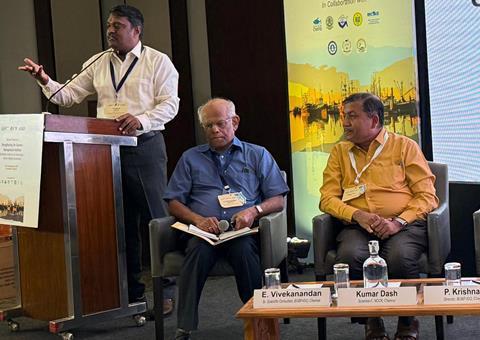
The proposals were presented at a national workshop jointly organised by the Bay of Bengal Programme Inter-Governmental Organisation (BOBP-IGO) and Environmental Defense Fund (EDF).
Among the key ideas is the ‘shore-to-door’ model, designed to increase fishers’ income by 25-30% by establishing a direct link between fishers and consumers, bypassing intermediaries and ensuring fairer profit shares. Experts noted that 20-30% of marine catch is lost post-harvest due to supply chain inefficiencies, limiting fishers’ earnings.
“Current systems in India often underestimate artisanal catches and involve manual processes that hinder traceability, leading to inefficiencies,” explained BOBP director Dr P Krishnan.
“Reliable and timely catch data are crucial for stock assessment and management,” he said, adding that the initiative would encourage voluntary data reporting through incentives like tailored insurance schemes.
The workshop also introduced the FRESH concept (Fair Price, Fresh Seafood, Digital First), which uses ONDC-linked platforms, IoT-enabled cold chains and QR-based traceability to deliver fresh, safe seafood to households within 24 hours of landing.
BOBP also proposed a single multi-purpose mobile app for Bay of Bengal countries to streamline catch documentation, market access, weather alerts and insurance connectivity for fishers, avoiding confusion caused by multiple apps.
Addressing climate concerns, EDF scientist Dr Jacob Eurich said, “Climate change is shifting species habitats and productivity, impacting fishery catches. Developing fisheries for climate-resilient species and improving data can help communities adapt.”
The workshop also underscored collaborative efforts to curb juvenile fishing, which causes significant economic losses.