



A lack of data and effective regulation is hindering the sustainable management of octopus and mahi-mahi, according to the Sustainable Fisheries Partnership.
Two new reports highlight the importance of the species globally but point out that more needs to be done to address challenges both sectors face.

“Understanding the changing production and trade flows in global mahi and octopus fisheries is critical to pinpointing opportunities to leverage improvement efforts,” said Enrique Alonso, SFP’s global fisheries director.
“These two sectors deserve special attention because many of the main fisheries are artisanal or small-scale, requiring a focus on improving fisher engagement and their collaboration with science and management authorities.”
The two reports - Octopus: A global summary of the situation in terms of production and trade and Mahi-Mahi: A summary of the global situation in terms of production, trade, and sustainability challenges – cover such topics as data, production and trade, stock status, exploitation, certification and environmental impacts.
Key findings are that the trade of both species is growing steadily but that fisheries management is lacking. Although the number of octopus fishery improvement projects is increasing, most production is not covered by market-based initiatives to improve sustainability.
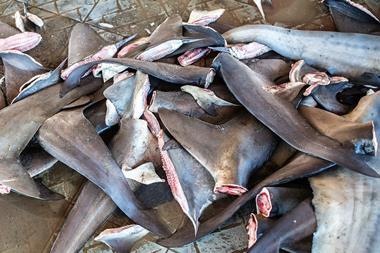
Similarly, the management of mahi-mahi fisheries has been ineffective in controlling exploitation levels or addressing bycatch and impacts on non-target species such as turtles, seabirds, and sharks.