





Oceana seeks legal action over UK oil and gas licences
Oceana UK is preparing to take the UK government to court over what it calls the severe threat to marine life caused by the latest licences for oil and gas exploration in UK waters.
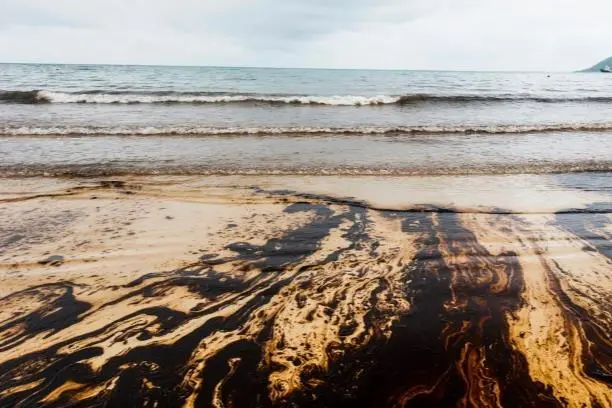
The charity said that the decision to issue the new licences is unlawful on several grounds, including a failure to consider the extreme impacts of both accidental oil spills and the climate crisis on marine life.
In addition, both the Secretary of State for Energy Security and Net Zero and the North Sea Transition Authority (NSTA) ignored advice from independent government experts about the potential effect on Marine Protected Areas (MPAs), Oceana claims.
“This is not a case of misunderstanding or lack of information. This is a deliberate choice to unlawfully ignore expert advice and jeopardise our seas, climate and future,” said Hugo Tagholm, executive director of Oceana UK.
“The truth is, chronic oil spills are already polluting UK seas. Seismic blasting is deafening whales. Drilling is destroying reefs. The fact that this damage and destruction is out of public view doesn’t make it any less severe.”
Judicial review
Some 82 licences for exploratory oil and gas drilling operations were issued by NSTA between October 2023 and May 2024. The licences cover 226 areas (blocks) and over a third overlap with MPAs.
Oceana UK says the ‘Appropriate Assessments’ for the blocks, published by the Offshore Petroleum Regulator for Environment and Decommissioning (OPRED) for the Secretary of State under the Habitat Regulations 2017, were unlawful.
It says the NSTA decision on 3 May 2024 to award Tranche 3 licences was also unlawful, on the same basis.
Oceana UK was one of the many bodies to respond after OPRED published draft Appropriate Assessments in July 2023. These aimed to explain how oil and gas activities could adversely impact the conservation objectives of the sites.
The Joint Nature Conservation Committee (JNCC) and Natural England said that allowing the oil and gas operation to go ahead inside and alongside MPAs would make it impossible for the government to achieve marine protection targets for decades, including a commitment to achieve Good Environmental Status in all seas by 2042.
“The vital opportunity with these latest licences is that it is not too late. Government can take a long, hard look at these decisions and choose instead to end new oil and gas, to protect the ocean, and to invest in a just transition to nature-positive renewables and a future worth having,” Mr Tagholm said.
Represented by the environment team at law firm Leigh Day, Oceana UK has written to Energy Secretary, Claire Coutinho, setting out its concerns and signalling the start of the judicial review process.
Related Articles
 FISHERIES
 FISHERIES
 FISHERIES