




NOAA pledges algal bloom research funding
NOAA has pledged funding worth US$20.1 million for research into and monitoring of harmful algal bloom (HAB) throughout US coastal and Great Lakes waters.
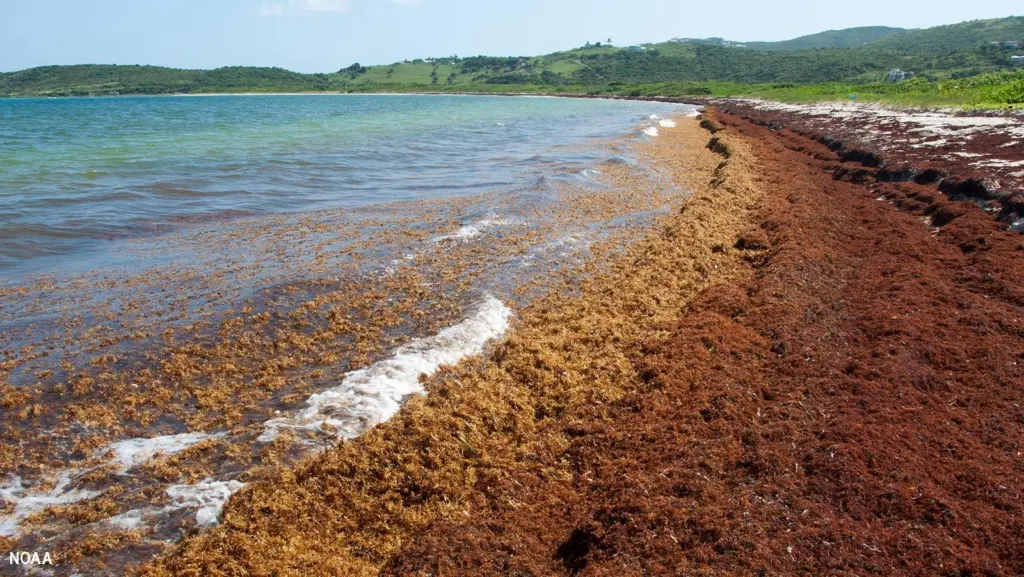
HABs are becoming increasingly common with the toxins they produce damaging ecosystems, local communities and coastal economies. These toxins kill fish and shellfish and can even threaten human health if contaminated seafood or drinking water is ingested.
When the algal blooms die they decompose, using oxygen and leading to hypoxia which also impacts commercial and recreational fishing.
“Our ability to mitigate the impacts of HABs and hypoxia through early-warning and other approaches continues to improve, but changes in both global and regional climates have the potential to pose new challenges,” said David Kidwell, director of NOAA’s National Centers for Coastal Ocean Science (NCCOS) Competitive Research Program.
“These grants will facilitate improved understanding and better decision-making as resource managers address the challenges of protecting both communities and ecosystems in a changing climate.”
NCCOS has allocated US$14.1 million to fund HAB and hypoxia research in 2023, including US$6.1 million for 15 new research awards, and US$8 million for 21 continuing awards.
The US Integrated Ocean Observing System office has pledged US$6 million, including three new awards under the Ocean Technology Transition program to help make fisheries resilient to climate change, as well as ten projects to explore HAB monitoring and research, improve models and develop a forecasting testbed in the Gulf of Mexico.
More information about the grants can be found on the NOAA NCCOS and IOOS websites.
Related Articles
 FISHERIES
 FISHERIES
 FISHERIES