




New EU plan launched
A package of measures to improve the sustainability and resilience of the EU’s fisheries and aquaculture sectors has been published by the European Commission.
Its main objectives are to promote the use of cleaner energy sources and reduce dependency on fossil fuels as well as reduce the sectors’ impact on marine ecosystems.
The package includes four elements: A Communication on the Energy Transition of the EU Fisheries and Aquaculture sector; an Action Plan to protect and restore marine ecosystems for sustainable and resilient fisheries; a Communication on the common fisheries policy today and tomorrow and a Report on the Common Market Organisation for fishery and aquaculture products.
Its proposed actions will be carried out gradually to help the sectors adapt.
Additionally, a ‘Pact for Fisheries and Oceans’ will support the full implementation of the Common Fisheries Policy (CFP) in coordination with member states and fisheries stakeholders.
The proposals also want to make the sectors attractive for younger generations looking for employment.
“We want to establish a ‘Pact for Fisheries and Oceans’ to work together with everyone to ensure sustainable and resilient fisheries, protect and restore our marine ecosystems, make the sector profitable and strengthen our food security in the long-term,” EU Commissioner for Environment, Oceans and Fisheries Virginijus Sinkevičius said. “We are proposing concrete actions to restore marine ecosystems and to reduce the impact of fishing activities on the marine environment, thus responding also to the commitments the EU made in the historic agreement reached at COP15 in Montreal on a new global biodiversity framework.”
Sinkevičius continued: “We are also promoting an energy transition to help the sector adapt its vessels and equipment, improve working conditions and move towards renewable, low-carbon energy sources. We know this is a challenging task. For this reason, the transformation will be gradual and we will promote dialogue between all communities to lay the foundation for a resilient fisheries and aquaculture sector.”
In the package, the Energy Transition Partnership for EU Fisheries and Aquaculture actions will look to bring together all stakeholders, including in fisheries, aquaculture, shipbuilding, ports, energy, NGOs, national and regional authorities, to collectively address the challenges of the sector’s energy transition.
The Commission will also work to close the gaps in the transfer of technology from research and innovation to application; to promote the development of skills among the workforce; and to improve the business environment, including in financing opportunities and awareness.
With climate change, biodiversity loss and ocean pollution threatening the sustainability of fisheries and aquaculture resources, the Commission is presenting a marine action plan to reinforce the CFP’s contribution to the EU’s environmental objectives and reduce the adverse impact of fishing activities on marine ecosystems, particularly through seabed disturbance, by-catch of sensitive species and effects on marine food webs.
The action plan contributes to delivering on the EU Biodiversity Strategy for 2030 and its commitment to legally and effectively protect 30% of our seas, with one-third being strictly protected.
To fulfil this goal, the Commission is calling on member states to take fisheries conservation measures to protect and manage marine protected areas (MPAs) effectively, with a clear timeline. These efforts should include the protection of fish spawning and nursery areas, the reduction of fish mortality rates and the restoration of core areas for sensitive species and habitats.
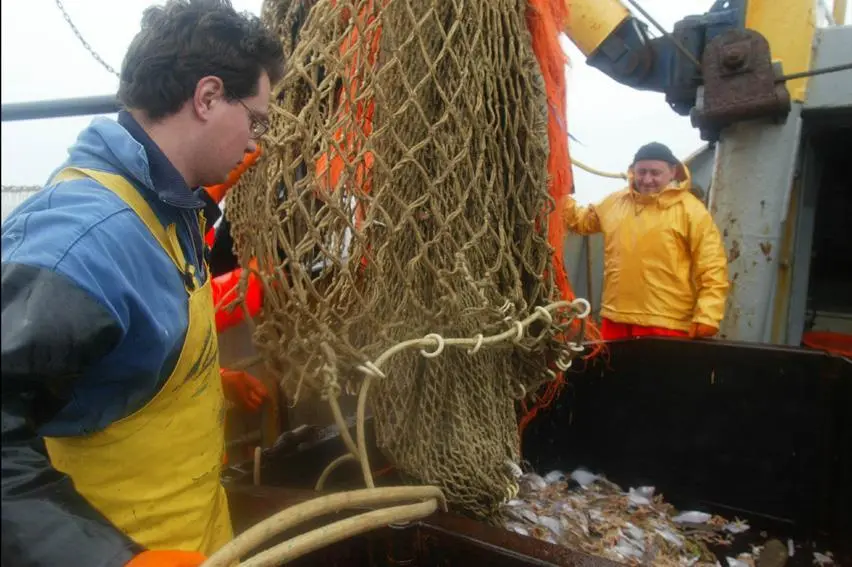
The plan also aims to reduce the impact of fishing on the seabed. The Commission is therefore calling on member states to propose joint recommendations and take national measures to phase out mobile bottom fishing in all MPAs by 2030 at the latest and not to allow it in any newly-established MPAs.
Its plan also proposes actions to increase the selectivity of fishing gear and practices and to reduce the incidental catches of threatened species, setting a timetable to help member states prioritise those species that require most protection.
The action plan is part of the EU’s contribution to the implementation of the recently agreed Kunming-Montréal biodiversity agreement.
Frans Timmermans, Executive Vice-President for the European Green Deal, commented: “Much of our economy depends on nature. Fisheries are quite possibly the sector where this link is most direct. Europe’s marine ecosystems and the fish, shellfish, algae, and plants that are part of them are crucial to the economic viability of fisheries. With these proposals we aim to build a sustainable relationship with our seas.”
He said the Commission will work with local fishing communities, the aquaculture and fisheries sectors and help them adopt sustainable practices – from reducing energy usage to using more selective fishing gear.
“As part of efforts to restore and protect nature, we also ask member states to phase out bottom trawling in fragile areas. When we ensure the sustainability of fisheries we invest in the resilience and future of the sector and its workers. Working together, we can find the right balance and establish healthy marine ecosystems all over Europe.”
Related Articles
 PROCESSING & REFRIGERATION
 FISHERIES
 FISHERIES