



New Baltic Sea quotas agreed for 2025
The Council of the European Union has reached a political agreement on the fishing opportunities in the Baltic Sea for 2025, following the European Commission’s proposal made in August this year.
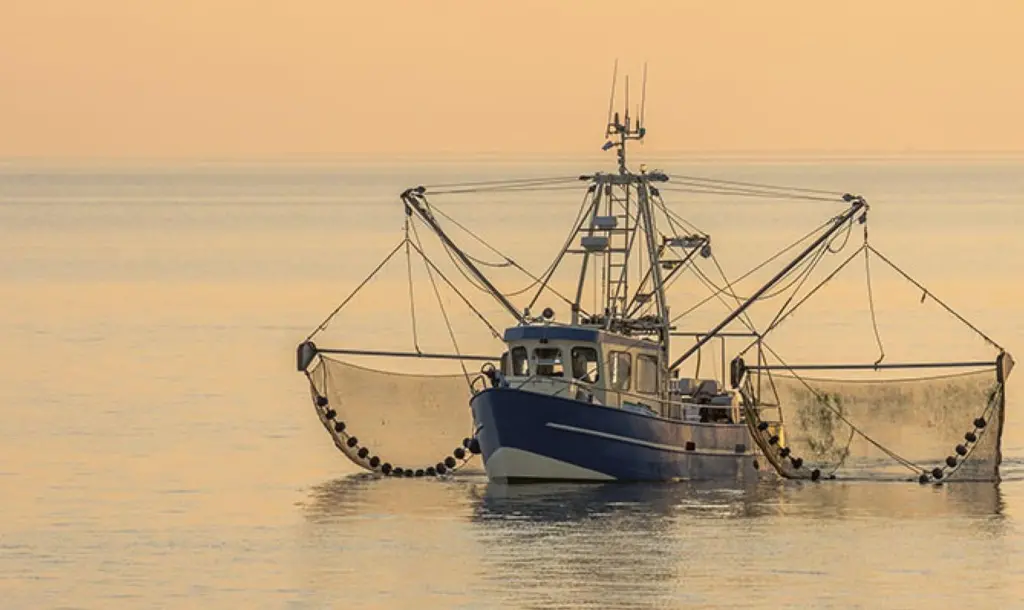
Total allowable catch (TAC) proposals have been adopted for several key stocks, including sprat (-31%) and plaice (rollover). For eastern cod and western cod, the Council has decided to set by-catch TACs only, so fishing will remain limited to accidental catches while targeting other species.
Western Baltic herring will, in principle, also have a bycatch-only TAC, but the Council maintained an exception for small-scale coastal fishers. Catches of salmon in the main basin are also limited to by-catches, except during the summer in the coastal areas of the Aland Sea and the Gulf of Bothnia.
The new agreement allows considerable increases in catches of Bothnian herring (+21%), Riga herring (+10%), and central Baltic herring (+108%).
Next year’s TACs are as follows: Bothnian herring – 66,446 tonnes, Western herring 788 tonnes (by-catch only), Central herring – 83,881 tonnes, Riga herring – 41,635, Eastern cod – 430 tonnes (by-catch only), Western cod – 266 tonnes (by-catch only), plaice – 11,313 tonnes, Main basin salmon – 34,787 tonnes, Gulf of Finland salmon – 10,144 tonnes, and sprats – 139,500 tonnes.
The Council advised that it followed the Commission’s proposal on numerous elements. It added that the Commission was, however, concerned that some elements of the agreement are less likely to contribute to the recovery of certain stocks than its proposal and may not be in line with the applicable legal framework, including the Baltic multiannual plan.
This is the case for the total TACs for sprat and western herring, as well as continued targeted commercial fisheries for western Baltic herring and recreational fisheries for main basin salmon.
Overall, the dire environmental state of the Baltic Sea leads to the pressing need to fully implement the EU legislation at all levels in an effective and systematic manner, the Council said.
Related Articles
 FISHERIES
 FISHERIES
 FISHERIES