




NAPA renews call for mackerel management agreements
Following recent announcements of declines in sustainability ratings for Northeast Atlantic mackerel by the UK’s Marine Conservation Society (MCS) and GoodFish in the Netherlands, the North Atlantic Pelagic Advocacy Group (NAPA) has renewed its urgent calls for an end to the irresponsible management of the fishery.
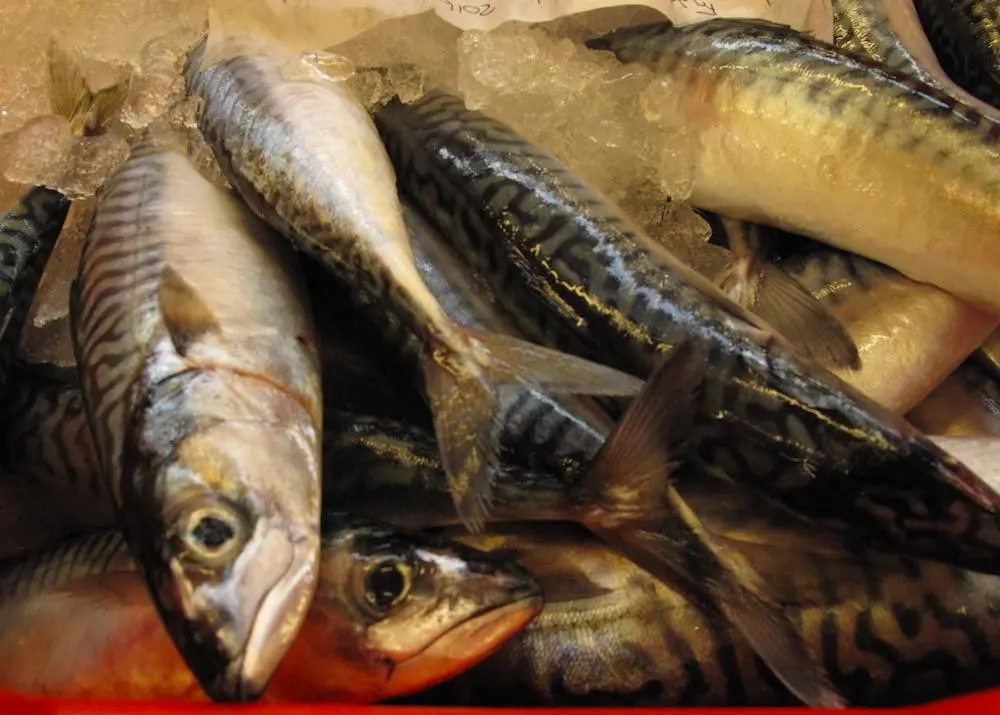
The coalition of over 50 global retail, aquafeed, foodservice and seafood processing companies has been working with stakeholders from across the seafood and political sectors since 2020 to secure a sustainable future for Northeast Atlantic pelagic fisheries. It said the political impasse surrounding mackerel management, in which coastal states have failed to reach comprehensive catch-sharing agreements, has led to individual countries setting their own quotas, resulting in average excess quotas of 40% above advised levels since 2010.
It further noted that mackerel has been experiencing a population decline since 2015.
“We are bitterly disappointed to still be in this position and it is no surprise to see more and more calls for an end to this dearth of leadership. Coastal States must recognise their obligations to safeguard the future of Northeast Atlantic mackerel – and the damage caused by their continued inability to cooperate with each other. If they don’t come together to find a way forward, they are taking environmental and economic risks that threaten to destroy the businesses and communities they serve, and who depend on the health of this species,” NAPA Project Lead Rob Blyth-Skyrme said.
While international political agreements take time to achieve, NAPA has identified interim steps that coastal states can take to demonstrate they are committed to making progress in their management of mackerel fishing. This includes limiting high seas catches to 10% of total catches, focussing on human consumption for the use of whole mackerel, and limiting banking and borrowing – in which countries bring forward or push back certain amounts of quota between years – to 10% of the annual total.
“Individual NAPA members have a choice about where they source their raw material from: commitment to the interim steps that we have identified is, and will continue to be, an important factor for consideration. We want to see meaningful action from individual Coastal States that demonstrates these steps are being followed – there is no excuse for complacency,” Blyth-Skyrme said.
NAPA has consistently called for agreements that ensure quotas are shared equitably between coastal states, catch limits that are in line with scientific advice, and dispute resolution processes that will prevent a stalemate when countries fail to agree on quota shares. Its ultimate aim is lasting economic and environmental sustainability, which are vital for the businesses and communities that depend on these species.
The collective is tackling these issues through the coordination of two fishery improvement projects (FIPs): one that covers both mackerel and herring, and one for blue whiting. The FIPs serve to drive political will for sustainable management, while holding key actors and decision-makers to account.
Both projects are unique in that they are “policy FIPs” – focusing on advocacy aimed at decision-makers, rather than on changing fishing practices on the water.
Related Articles
 FISHERIES
 FISHERIES
 FISHERIES