


Marine Stewardship Council (MSC) has launched its new global standard for the sustainable certification of wild-capture fisheries.
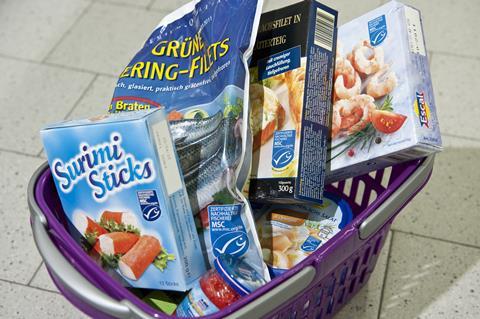
The eco-label and certification programme said the release of MSC Fisheries Standard version 3.0 has followed its most extensive review of marine science and fisheries best-practice.
Highlighting the increasing pressures on fisheries, marine ecosystems and food systems from overfishing, climate change and biodiversity loss, MSC Chief Executive Rupert Howes praised the commitment, engagement and insight the industry, fisheries managers, conservationists and scientists had shown in their contributions to the new standard.
Its new requirements will drive progress in sustainable fishing, helping to address the urgent need to conserve our ocean while also feeding a growing global population, he said.
“The launch of the new standard comes at a time when the critical and urgent need to end overfishing while feeding a growing global population has never been more profound.
“This high level of stakeholder involvement demonstrates the collective sense of urgency to protect our ocean and safeguard seafood supplies into the future, and recognition of the role MSC can play in accelerating this transformation through the engagement of our partners.
“The new MSC Fisheries Standard provides a global benchmark to drive forward real and lasting change in the way our oceans are fished by confidently recognising and incentivising fisheries that are world leaders in sustainability,” Howes said.
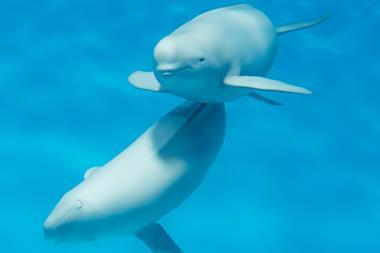
As well as being streamlined to ensure language is clear and to reduce complexities, the new standard includes a new definition of, and greater protections for, endangered, threatened and protected (ETP) species.
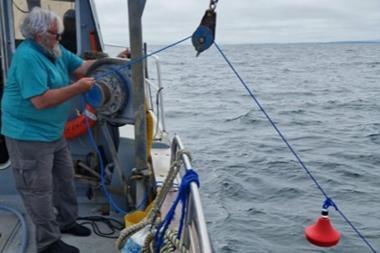
It introduces a new policy to increase confidence that shark finning is not taking place within certified fisheries and puts greater responsibility on certified fisheries to prevent and reduce the impact of lost fishing gear. Furthermore, it sets stronger requirements for effective monitoring and surveillance of fishing operations, particularly those on the high seas, and for international agreements on harvest strategies to safeguard shared fish stocks.
MSC advised that the new standard is the culmination of more than four years’ research, public consultation and testing during which it reviewed more than 600 submissions from stakeholders with expertise in fishing, ocean conservation, certification and seafood.
Today, more than 530 fisheries, representing 15% global wild marine harvest, are certified to the MSC Fisheries Standard.