



Less Icelandic cod caught in September
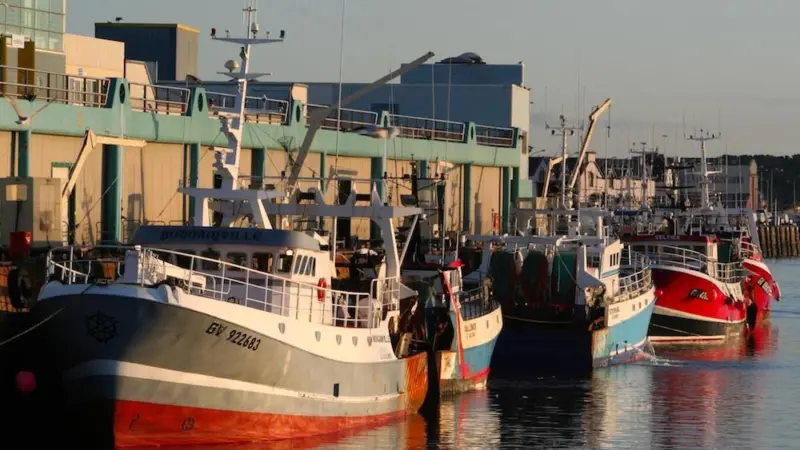
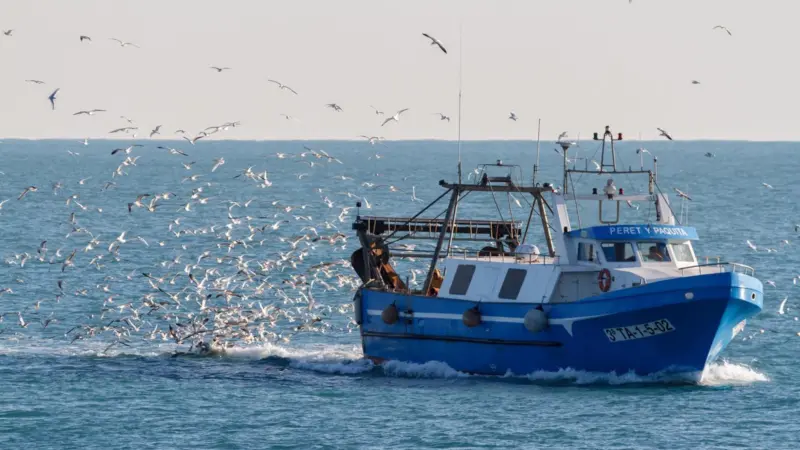
The volume of fish and shellfish landed by the Iceland’s fishing fleet decreased by 1% or 1,706 tonnes year-on-year in September 2023 to a total 119,346 tonnes, according to preliminary figures for the month gathered by the country’s Directorate of Fisheries. The increase was mainly attributed to larger demersal and pelagic catches versus September 2022.
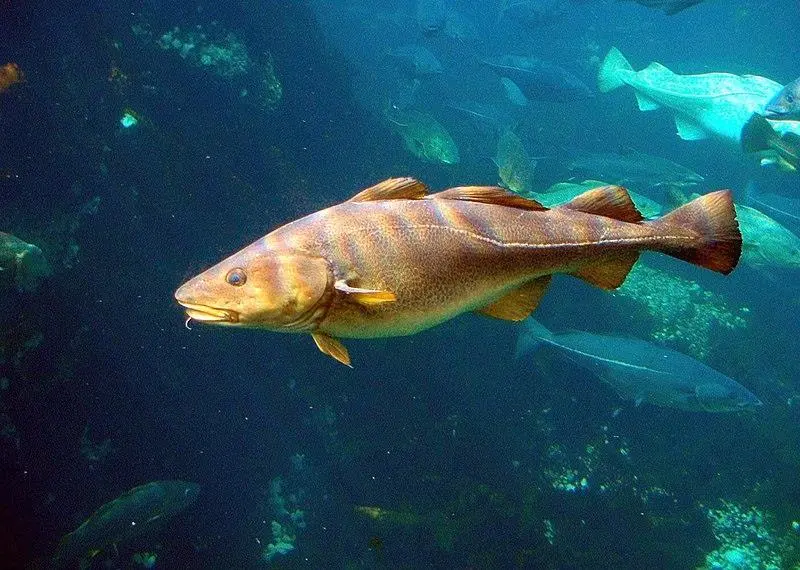
Demersal landings decreased 12% to 32,022 tonnes, with the haddock catch increasing 4% year-on-year to 6,919 tonnes and redfish landings rising 18% to 3,218 tonnes, but the cod volume fell 13% to 17,353 tonnes and the saithe total dropped 52% to 2,553 tonnes.
Last month’s pelagic catch increased 4% to 85,441 tonnes, thanks to a 19% rise in the herring landings to 80,556 tonnes. There was also a 127% upturn in blue whiting to 3,397 tonnes. The mackerel volume slipped 88% to 1,488 tonnes, and there were no capelin catches reported.
Meanwhile, Iceland’s flatfish and shellfish volumed decreased by 29% and 35%, respectively, to 1,313 tonnes and 569 tonnes.
The Directorate of Fisheries’ data also determined that the October 2022 to September 2023 catch totalled 1,368,379 tonnes, which was 10% less than in the previous 12-month period. There were decreases in the demersal and pelagic categories of 8% and 11% respectively, with the volumes totalling 402,505 tonnes and 935,338 tonnes. Shellfish landings increased 3% on the previous 12 months to 5,905 tonnes, and the total flatfish landings lifted 20% to 24,623 tonnes.