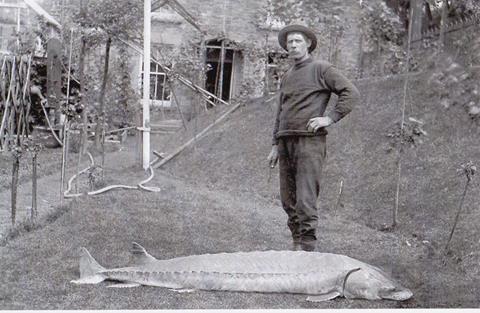



A five-metre fish once so popular that King Edward II declared it “royal” could make a comeback thanks to an ambitious plan launched by UK conservationists to return the ancient, critically-endangered native sturgeon back to UK waters.
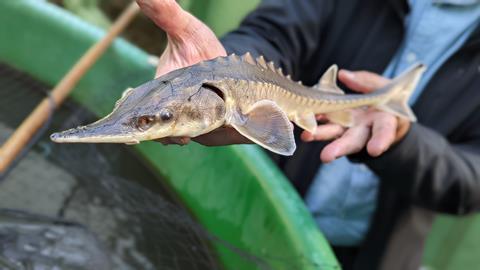
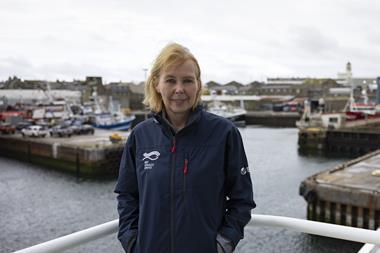
“These impressive and ancient animals were once common in UK rivers and along our coastline, so it’s hardly surprising that they were declared ‘royal fish’ by King Edward II back in the 14th century, meaning all sturgeons landed in the UK have to be offered to the crown – although nowadays this is just a formality,” ZSL Conservation Project Officer for Estuaries and Wetlands Hannah McCormick said.“Fast-forward 700 years, and sturgeons have all but disappeared from our waters, after dam construction in rivers blocking their migration routes and overfishing caused numbers to plummet in the latter half of the 20th century.”
The team behind the action plan will be working with key stakeholders and river users to take the necessary steps towards sturgeon restoration – such as identifying essential habitats, the restoration of migratory passages and reducing accidental by-catch. It will form part of a larger call to recover populations of the fish, following successful conservation action in France and Germany helping to save European sturgeons from the brink of extinction.
“The decline of sturgeons is a worldwide problem: these ancient fish outlived the dinosaurs and in fact still closely resemble their ancestors, which swam in Earth’s seas and rivers 100 million years ago. But after pushing them to the very brink of extinction, all 26 sturgeon species are under threat of being lost forever – earning them the undesirable title of being the most threatened group of animals of the IUCN Red List. The UK Sturgeon Conservation Strategy and Action Plan offers a solid, evidence-based way forward to restore the species – and a vital chance to save them,” McCormick said.
Actions outlined in the report include restoring the key UK coastal, freshwater and estuarine sturgeon habitats that sturgeons use throughout their lives, improving the connectivity of rivers and working with fishers to reduce deaths caused by accidental bycatch of the fish; important measures for providing safe habitats for native sturgeons and other marine life to thrive.
European and Atlantic sturgeons are fully migratory species – they begin their lives in rivers, before travelling out to sea where they will live most of their 60-year-long lives in coastal and marine waters, only returning to freshwater as adults every few years to reproduce.
The action plan was created as part of the work of the UK Sturgeon Alliance, a team of scientists and conservationists from ZSL, Blue Marine Foundation, Institute of Fisheries Management, Wildfowl and Wetlands Trust, Severn Rivers Trust and Nature at Work, working to restore native sturgeons through conservation action and education.
Members of the public are being urged to report any sightings to the Save the Sturgeon website.
Blue Marine Foundation’s Senior Restoration Projects Manager Jenny Murray said the development of the action plan was an exciting first step that will contribute to European sturgeon restoration efforts.
“This has been a truly collaborative approach that has highlighted the interest and need to see habitats in a good enough condition for their return. The public can support sturgeons return by raising awareness of this beautiful species and reporting any sightings to the Save the Sturgeon website.”
Steve Colclough, Chair of the Estuarine & Marine Specialist Section at the Institute of Fisheries Management, said there are over 5,200 records of sturgeon in rivers, estuaries and coastal waters all around the UK dating back to at least 1700.
“Our waters clearly formed part of the natural range of these great migrators. Until recently, the numbers visiting us have been so low that these were only recognised as occasional vagrants. In the 18th and 19th century many fish were captured in our rivers and in some cases where they were not offered to the crown, they were removed and destroyed as strange exotic sea monsters. Now we know better, we can help conserve these flagship species for future generations to see,” he said.