





Keeping a swordfish harpoon fishery alive
A new report from environmental charity Ecology Action Centre (EAC) suggests that Nova Scotia’s historic swordfish harpoon fleet could increase its earnings by US$2.5 million through the introduction of charter operations and a new rod-and-reel gear type.
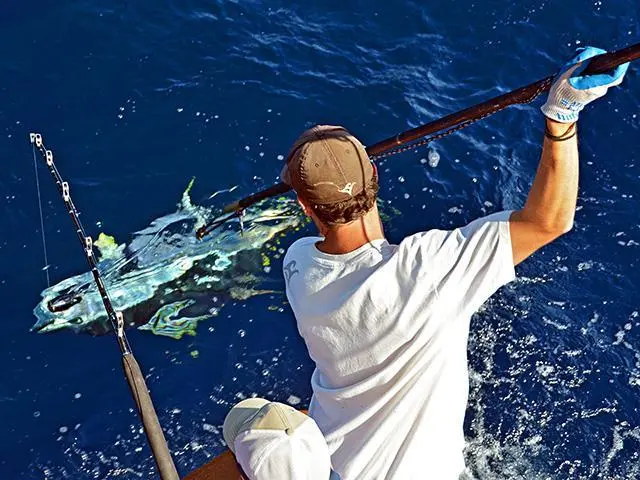
The findings, detailed in ‘Keeping a Century-Old Fishery Alive’, come after two years of trials and economic analysis.
Nova Scotia’s swordfish harpoon fleet, a cornerstone of Atlantic Canada’s fishing heritage, has faced challenges in recent years due to climate change. Warmer waters have driven swordfish deeper, making them harder to catch by traditional harpoon methods that rely on surface sightings. This has left much of the fleet’s quota unfulfilled.
“It’s critical to prioritise the adaptation of the swordfish fishery to proactively safeguard against climate change,” said Holly Isnor, EAC’s marine campaign coordinator. “Adding rod-and-reel licences and charter operations would benefit Nova Scotia’s rural coastal communities and ensure the fishery remains sustainable.”
The EAC tested a rod-and-reel gear type in 2022 and 2023, which demonstrated low bycatch and effectiveness when harpooning wasn’t possible. Additionally, the report found that adding charter fishing operations could provide a significant economic boost. These charters would offer tourists paid sportfishing trips, allowing fishers to supplement their income while staying within their quota limits.
Industry surveys show strong support for these changes but highlight regulatory barriers as a significant challenge. The report calls for clearer licensing pathways to facilitate these innovations.
Dale Richardson of the Nova Scotia Swordfish Harpoon Quota Society noted that charter operations, combined with new fishing methods, could make the fishery economically viable again and attract tourism.
Related Articles
 FISHERIES
 FISHERIES
 FISHERIES