





Japan, China slammed for blocking shark protection
This year’s meeting of the International Commission for the Conservation of Atlantic Tunas (ICCAT), held in Limassol, Cyprus, ended with a dramatic showdown over shark finning with Belize calling for a rare vote, only to be thwarted by Japan and China, advises shark conservation bodies.
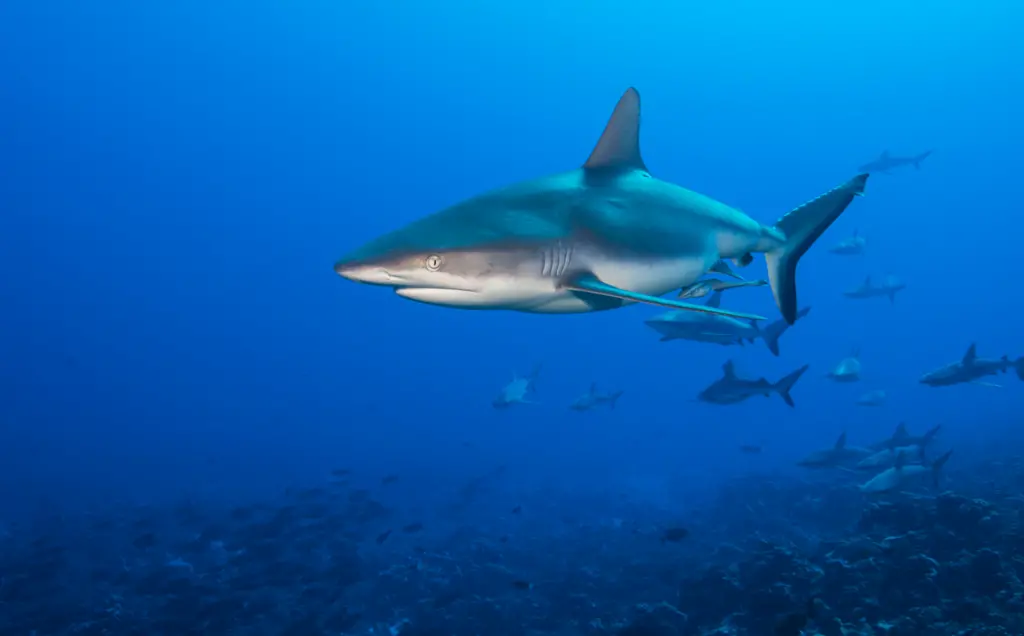
They also note that ICCAT did manage to finalise protections for devil rays, mantas and whale sharks, and took steps to improve countries’ compliance with existing requirements to report and limit shark catch.
NGO project Shark Advocates International explained that for 16 years, the US, Belize and Brazil have led a multilateral effort to strengthen ICCAT’s finning ban by requiring that sharks be landed with their fins naturally attached, a policy that is widely regarded as best practice for enforcement and also helpful for shark catch data collection. This year, the proposal gained a record 42 co-sponsors (roughly 80% of ICCAT Parties), but Japan and China blocked consensus.
According to Shark Advocates International, in the final hours of the eight-day meeting, Belize attempted to settle the matter with a vote, an action rarely seen within consensus-based international fisheries bodies. After vigorous opposition from Japan and confusion over process, the Chair convinced the room to yield, leaving the issue unresolved.
“We are exasperated that a strong, enforceable shark finning ban has once again been blocked by essentially two countries, despite clear scientific advice and overwhelming support from governments and conservationists alike. This failure marks 20 years of an ICCAT finning ban that is unacceptably difficult to enforce, continuing the risk of atrocious waste for some of the Atlantic’s most vulnerable animals,” Shark Advocates International President Sonja Fordham said. “We urge countries to continue implementing fins-naturally-attached rules at the national level and to press on with the work of this unprecedented coalition to close finning ban loopholes at all international fisheries bodies.”
Shark League thanked Belize, the US, Brazil, Canada, the UK and the EU for persisting with proposals to strengthen ICCAT’s finning ban over many years and welcomed new support from the Republic of Korea, Costa Rica and the Philippines.
The UK won a two-year effort to ban retention and promote the safe release of manta and devil rays. The EU secured similar protections for whale sharks and previewed plans to propose expanding them to basking and white sharks next year. The UK had insufficient support to secure a special 2025 meeting focused on curbing incidental mortality of shortfin mako sharks.
“We’re grateful to the UK and EU for closing gaps in the protection of several threatened species that have been overlooked by fisheries bodies despite longstanding protected status under wildlife treaties,” Shark Trust Director of Conservation Ali Hood said. “At the same time, we highlight the need to extend safeguards to similarly vulnerable sharks that have yet to garner the conservation spotlight, such as longfin makos and common threshers. We also urge all ICCAT Parties to join the UK in reducing the egregious bycatch of endangered shortfin makos, as a matter of priority.”
ICCAT’S Compliance Committee scrutinised adherence to ICCAT’s shark measures through examination of Parties’ reports. Mexico and Ghana were among the countries called out to explain lacking data and regulations for sharks.
Ecology Action Marine Programme Associate Director Shannon Arnold said many countries have made progress in recent years in reporting on their shark catches and the national regulations needed to fulfil ICCAT shark conservation mandates.
“Despite these advances, critical gaps in data and implementation persist. Particularly concerning is the lack of reporting on the sharks that fleets discard at sea and information on relevant domestic regulations, which are needed to verify compliance with treaty obligations. These gaps reinforce the pressing need for ICCAT to establish a clear process for evaluating countries’ requests for exemptions to shark measures,” she said.
Shark Advocates International is a project of The Ocean Foundation dedicated to securing science-based policies for sharks and rays. The Shark Trust is a UK charity working to safeguard the future of sharks through positive change. Ecology Action Centre promotes sustainable, ocean-based livelihoods, and marine conservation in Canada and internationally. PADI AWARE is a global movement for ocean protection powered by a community of adventurers. These groups, with support from the Shark Conservation Fund, formed the Shark League of the Atlantic and Mediterranean to advance responsible regional shark and ray conservation policies.
Related Articles
 FISHERIES
 FISHERIES
 FISHERIES