




Increased whitefish catch for Icelandic fleet in May
The total volume of fish and shellfish landed by the Iceland’s fishing fleet in May 2024 fell by 14% or more than 14,300 tonnes year-on-year to 87,496 tonnes, according to preliminary figures for the month gathered by the country’s Directorate of Fisheries.
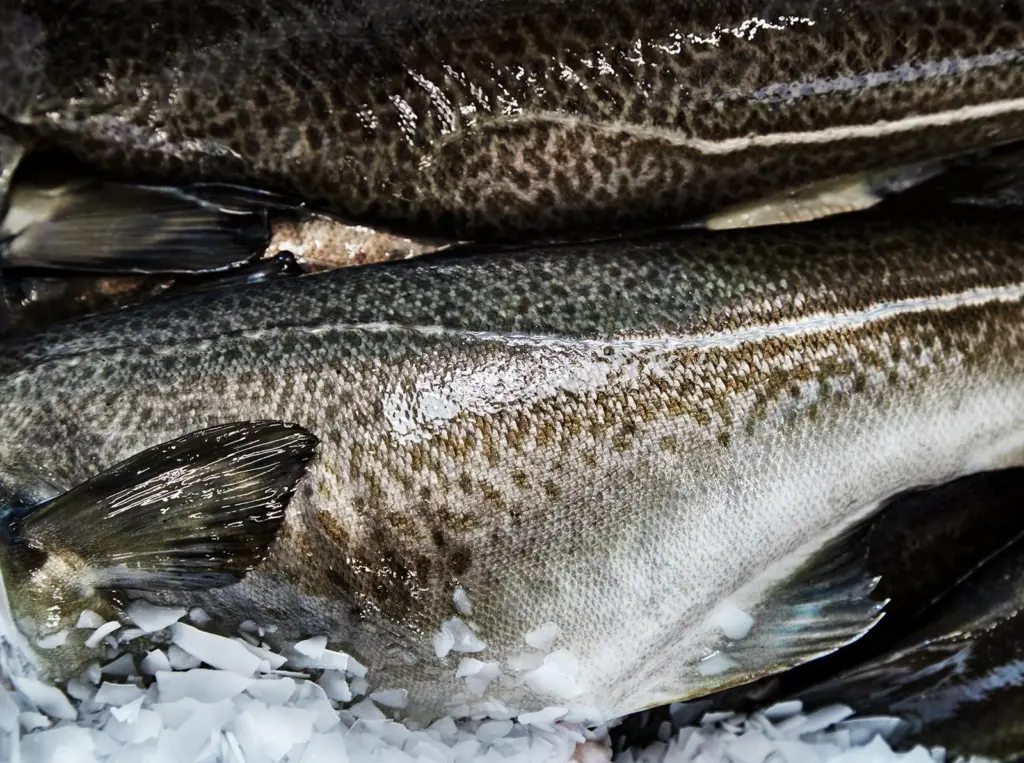
While last month’s demersal landings increased 19% to 45,258 tonnes, with cod, haddock, saithe and redfish catches rising 5%, 46%, 48% and 32%, respectively, to 22,212 tonnes, 8,085 tonnes, 5,260 tonnes and 4,199 tonnes, there was a far bigger drop in the pelagic catch, with a total 37,844 tonnes landed (down 37% year-on-year).
The pelagic category comprised 37,811 tonnes of blue whiting (down 37%) and 33 tonnes of mackerel (-91%). No capelin or herring catches were recorded.
Meanwhile, Iceland’s flatfish volume increased 34% to 4,086 tonnes and its shellfish catch slipped 21% to 306 tonnes.
The Directorate of Fisheries’ data also determined the June 2023 to May 2024 catch totalled 1,087,443 tonnes, which was 25% less than in the previous 12-month period. It found decreases in all of the main fisheries, with the demersal, pelagic, flatfish and shellfish volumes amounting to 419,080 tonnes (-1%), 638,954 tonnes (-35%), 23,987 tonnes (-6%) and 5,364 tonnes (-11%), respectively.
It’s expected that many key stakeholders from Iceland’s fisheries sector will be attending and supporting the 14th Icelandic Fisheries, Seafood & Aqua Exhibition (IceFish), taking place 18-20 September 2024 at the Smárinn, Fifan Halls Kópavogur, Iceland.
Related Articles
 FISHERIES
 FISHERIES
 FISHERIES