



Illegal FADs use prompts push for openness
A global pressure group is pushing for greater transparency in fisheries governance, citing concerns over the use of fish aggregating devices by a Pacific tuna fishery.
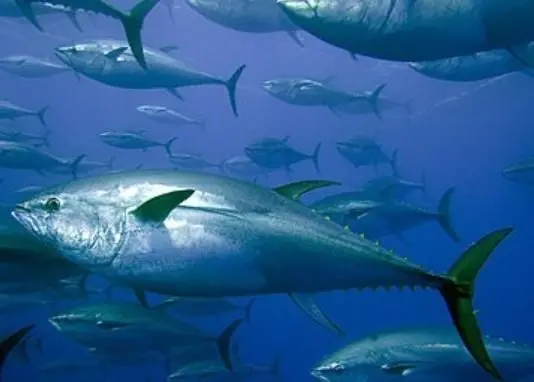
In a new position paper, Accountability.Fish is urging members of the Western and Central Pacific Fisheries Commission to urgently improve the accountability of the fishery.
The group is alleging that a lack of transparency around the compliance process covering western Pacific tuna is potentially allowing illegally caught fish in the world’s tuna supply.
“The lack of openness in the current process presents major risks to the world’s tuna markets and to the marine ecology,” said Ryan Orgera, global director of Accountability.Fish.
“Large tuna traders and retailers are afraid off the risk that the tuna that they offer to their customers under with a Marine Stewardship Council sustainability certificate could need to be withdrawn from the market on a large scale if it turns out that the tuna should be classified as an illegal catch, yet the current process provides no adequate way to verify this,” he added.
Concerns have been raised by the Environmental Justice Foundation over the potential use by ten South Korean-flagged vessels of illegal FADs. One such allegation has led to a fine being levied with no action taken against the second vessel because of a technicality.
“The cases of the Sunflower 7 and the Badaro – the two Korean vessels involved – highlight many questions left unanswered about of the possibilities of legal wiggle room in the WCPFC’s rulings, which are exacerbated the lack of independent observers aboard the reefer vessels that operate for the purse seiner fleet,” said Orgera.
He also highlighted a continuing lack of transparency in the WCPFC’s own compliance processes.
“The general interest of openness outweighs the interests of any individual parties,” he continued. “We need to open the process now, and this case illustrates the urgency of doing so.”
Related Articles
 FISHERIES
 FISHERIES
 FISHERIES