





Iceland’s Q1 catch slips but value holds firm
The volume of fish and shellfish landed by Iceland’s fishing fleet in the first quarter of this year decreased by 8% or more than 44,000 tonnes compared with the first three months of 2022 to a total 519,779 tonnes, according to preliminary figures compiled by the country’s Directorate of Fisheries.
However, the value of these landings remained relatively unchanged from a year previously at ISK 56.2 billion.
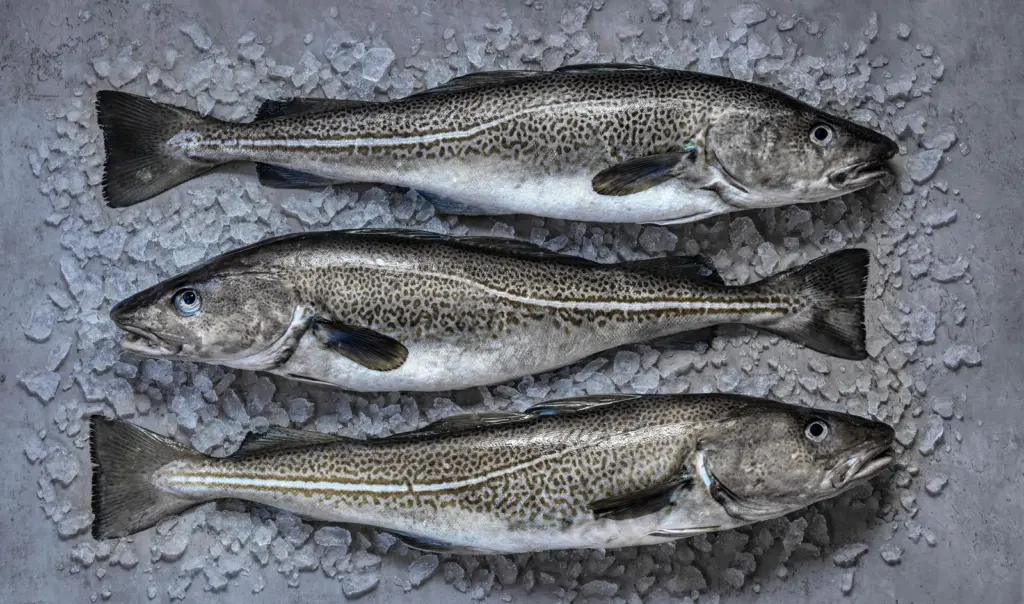
Contributing to the decrease in the quarter’s volume was a 4% lower demersal catch at 109,946 tonnes, including a 9% drop in cod at 65,696 tonnes, as well as 10% fall in pelagics to a total 403,516 with capelin down 27% to 323,977 tonnes.
There were some species upturns in both categories, with the haddock catch climbing 44% to 17,869 tonnes and blue whiting rising from zero to 78,174 tonnes.
The demersal category was valued at ISK 36.3 billion in Q1 2023 – a rise of 4%, with cod up 1% to ISK 24.4 billion and haddock rising 24% to ISK 5.5 billion. Iceland’s pelagic category was worth less than ISK 16.5 billion – a drop of 15% year-on-year.
Meanwhile, the country’s flatfish catch increased by 70% in volume and 78% in value to 5,350 tonnes and ISK 3.2 billion. Its shellfish landings climbed 35% in size and 72% in worth to 682 tonnes and ISK 198 million. Within this category, shrimp accounted for 466 tonnes and ISK 146 million, representing rises of 146% and 162% respectively.
Related Articles
 FISHERIES
 FISHERIES
 FISHERIES