



Iceland’s June catch down 21%
The total volume of fish and shellfish landed by Iceland’s fishing fleet in June 2024 fell by 21% or more than 7,000 tonnes year-on-year to 27,528 tonnes, with cod accounting for almost half the total catch, according to preliminary figures for the month gathered by the country’s Directorate of Fisheries.
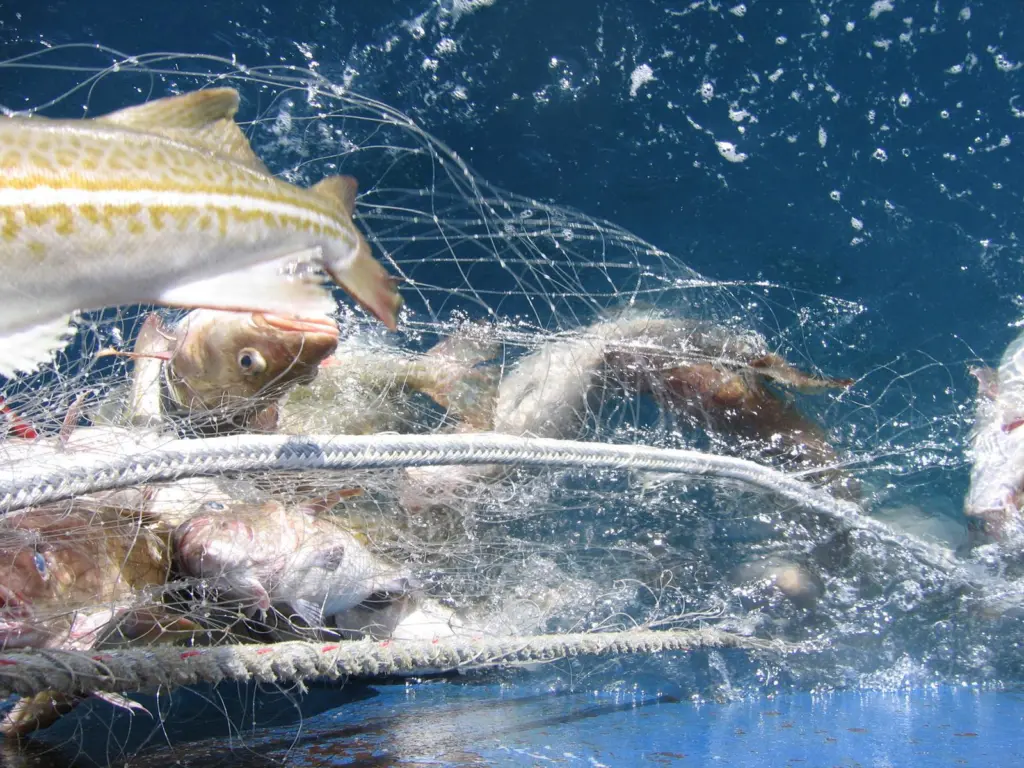
Last month’s demersal landings decreased 12% to 25,919 tonnes, with the cod, haddock, saithe and redfish catches dropping 13%, 15%, 22% and 34%, respectively, to 13,301 tonnes, 4,480 tonnes, 2,792 tonnes and 2,440 tonnes.
Meanwhile, Iceland’s flatfish volume in June was down 53% to 1,275 tonnes and its shellfish catch slipped 20% to 334 tonnes.
No pelagic catches were recorded.
The Directorate of Fisheries’ data also determined the July 2023 to June 2024 catch totalled 1,080,362 tonnes, which was 24% less than in the previous 12-month period. It found decreases in all of the main fisheries, with the demersal, pelagic, flatfish and shellfish volumes amounting to 415,357 tonnes (-1%), 636,981 tonnes (-35%), 22,685 tonnes (-9%) and 5,283 tonnes (-9%), respectively.
Cod catches over the 12-month period totalled 219,839 tonnes, down 8% year-on-year.
It’s expected that many key stakeholders from Iceland’s fisheries sector will be attending and supporting the 14th Icelandic Fisheries, Seafood & Aqua Exhibition (IceFish), taking place 18-20 September 2024 at the Smárinn, Fifan Halls Kópavogur, Iceland.
Related Articles
 FISHERIES
 FISHERIES
 FISHERIES