



Iceland’s 2023 catch decreases
The total volume of fish and shellfish landed by the Icelandic fishing fleet last year fell by 3% or more than 39,000 tonnes compared to 2022 to 1,378,768 tonnes, according to preliminary figures for the year gathered by the country’s Directorate of Fisheries.
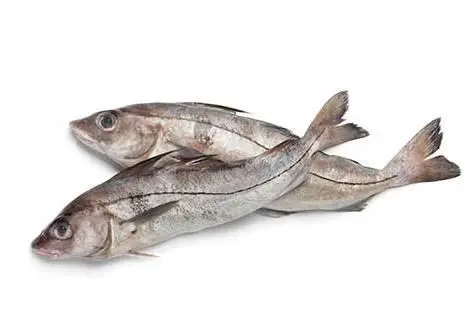
Demersal landings decreased 7% to 402,884 tonnes, with the cod, saithe and redfish catches falling 9%, 32% and 1%, respectively, to 220,560 tonnes, 42,173 tonnes and 39,160 tonnes. There was a 22% upturn in the year’s haddock volume, which totalled 69,539 tonnes.
Meanwhile, the fleet’s flatfish catch increased 10% to 23,664 tonnes, and its shellfish volume fell 6% year-on-year to 5,773 tonnes.
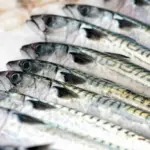
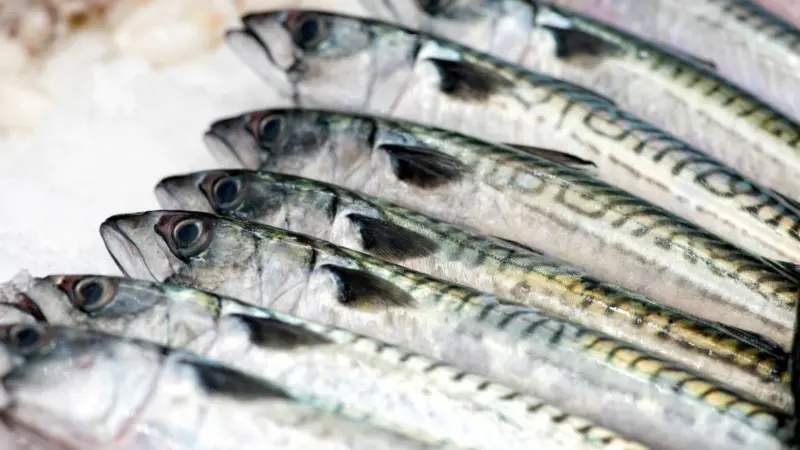
Iceland’s 2023 pelagic landings slipped 1% to 946,399 tonnes, with a 1% rise in herring (186,429 tonnes), a 9% increase in mackerel (141,369 tonnes) and 53% spike in blue whiting (292,854 tonnes) almost making up for a 28% drop in blue whiting (325,746 tonnes).
Related Articles
 FISHERIES
 FISHERIES
 FISHERIES