





Iceland’s 2022 catch value increases 20%
The total volume of fish and shellfish landed by Iceland’s fishing fleet increased by 23% or almost 261,000 tonnes in 2022, with a total 1,414,598 tonnes. Meanwhile, the year’s catch value climbed 20% to ISK 195 billion.
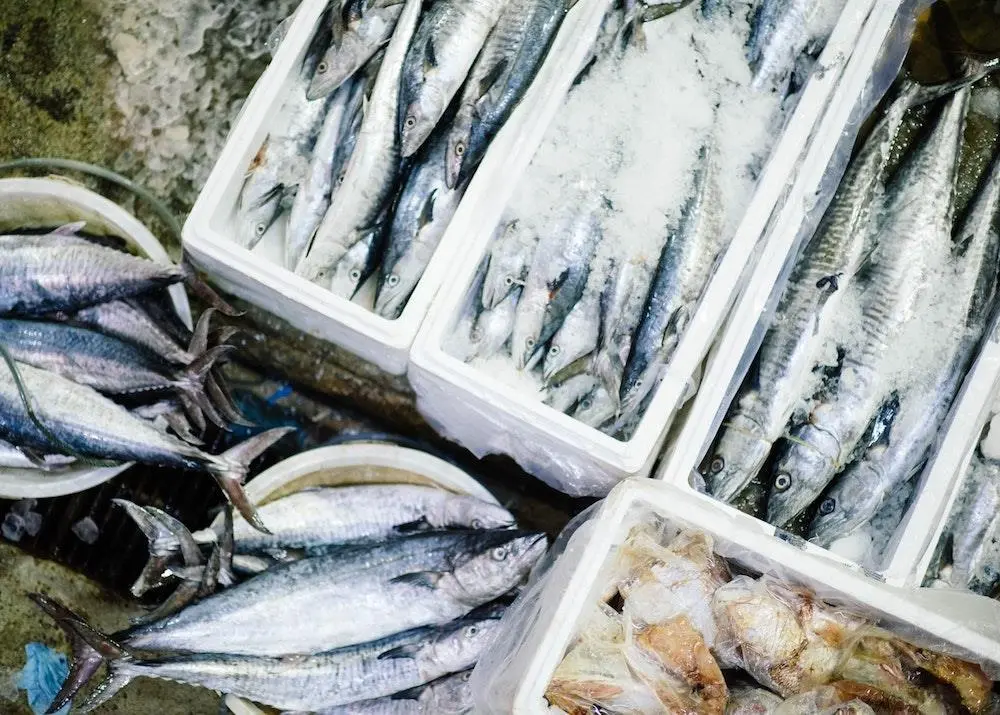
According to new figures from Statistics Iceland, there was a substantial increase in the volume of pelagic fish last year, while demersal, flatfish and shellfish landings all shrank.
2022’s total pelagic catch jumped 47% to 955,954 tonnes. This spike was mainly due to a 207% increase in the capelin volume compared with 2021, which amounted to 449,934 tonnes. In value terms, the pelagic catch reached ISK 48 billion, up 41%. Of this, capelin accounted for ISK 20 billion, which was an 80% rise on the previous year.
Also within the category, the mackerel, herring and blue whiting volumes amounted to 129,886 tonnes, 184,32 and 191,814 tonnes respectively. These ex-vessel values of these fish were ISK 9 billion, ISK 12 billion and ISK 7 billion.
Within the demersal category, with a total catch of 433,385 tonnes – an 8% drop versus 2021 – cod landings decreased 10% to 243,483 tonnes, and the redfish catch slipped 21% to 39,658 tonnes. However, the 2022 volumes of haddock (57,026 tonnes) and saithe (62,039 tonnes) were up by 1% and 4% respectively.
In value terms, the cod catch increased 13% to ISK 85 billion, haddock was up 30% to ISK 21 billion and saithe climbed 46% to ISK 14 billion. The redfish landings’ value decreased 10% to ISK 10 billion.
Iceland’s flatfish catch decreased 23% to 19,080 tonnes but increased 5% in value to ISK 11 billion. Its shellfish landings shrank 3% in volume and 23% in value to 6,084 tonnes and ISK 1 billion.
The data also found that of the total volume, 1,201,585 tonnes was accounted for by direct sales, valued at ISK 117 billion, representing increases of 32% and 24% respectively. Meanwhile, some 82,146 tonnes or ISK 28 billion worth of fish was sold at auction, 106,135 tonnes/ISK 217 billion was frozen at sea, and 14,839 tonnes was exported in containers.
Related Articles
 FISHERIES
 FISHERIES
 FISHERIES