





Icelandic landings down 23% in July
A steep decrease in the pelagic catch led the total volume of fish and shellfish landed by Iceland’s fishing fleet in July 2024 to fall by 23% or more than 23,650 tonnes year-on-year to 78,325 tonnes, according to preliminary figures for the month gathered by the country’s Directorate of Fisheries.
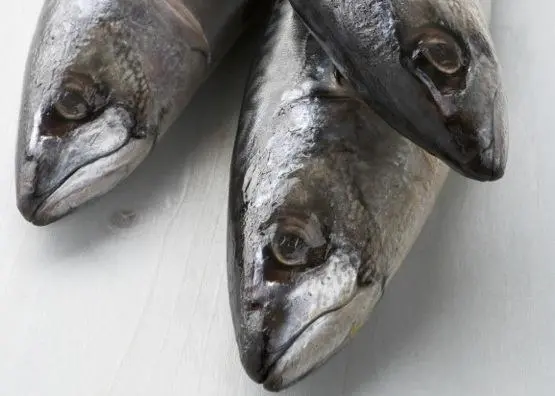
Last month’s pelagic volume dropped 36% year-on-year to 49,522 tonnes, with a 75% lower herring catch (2,562 tonnes) and 31% less mackerel (45,982 tonnes). The blue whiting catch increased to 978 tonnes, while no capelin was recorded.
Partly offsetting the pelagic decline, Iceland’s demersal landings increased 21% on July 2023 to 26,121 tonnes, with the cod, haddock and redfish catches rising 19%, 72% and 3%, respectively, to 11,476 tonnes, 6,282 tonnes and 3,542 tonnes. The saithe volume slipped 26% to 2,240 tonnes.
Meanwhile, Iceland’s flatfish volume in July was up 8% to 2,223 tonnes but its shellfish catch dropped 39% to 459 tonnes.
The Directorate of Fisheries’ data also determined the August 2023 to July 2024 catch totalled 1,056,713 tonnes, which was 27% less than in the previous 12-month period. It found decreases in pelagic, flatfish and shellfish fisheries, amounting to 609,007 tonnes (-39%), 22,848 tonnes (-7%) and 4,989 tonnes (-17%), respectively.
Iceland’s demersal catch for the period increased 2%, thanks largely to a 35% upturn in the haddock volume, which reached 81,683 tonnes. Cod catches totalled 221,682 tonnes, down 4% year-on-year.
Related Articles
 FISHERIES
 FISHERIES
 SEAFOOD