




Icelandic fisheries landings up 3% in February
A rise in pelagic catches lifted the total volume of fish landed by Iceland’s fishing fleet by 3% or more than 2,000 tonnes year-on-year to 69,945 tonnes in February 2025, according to preliminary figures for the month gathered by the country’s Directorate of Fisheries.
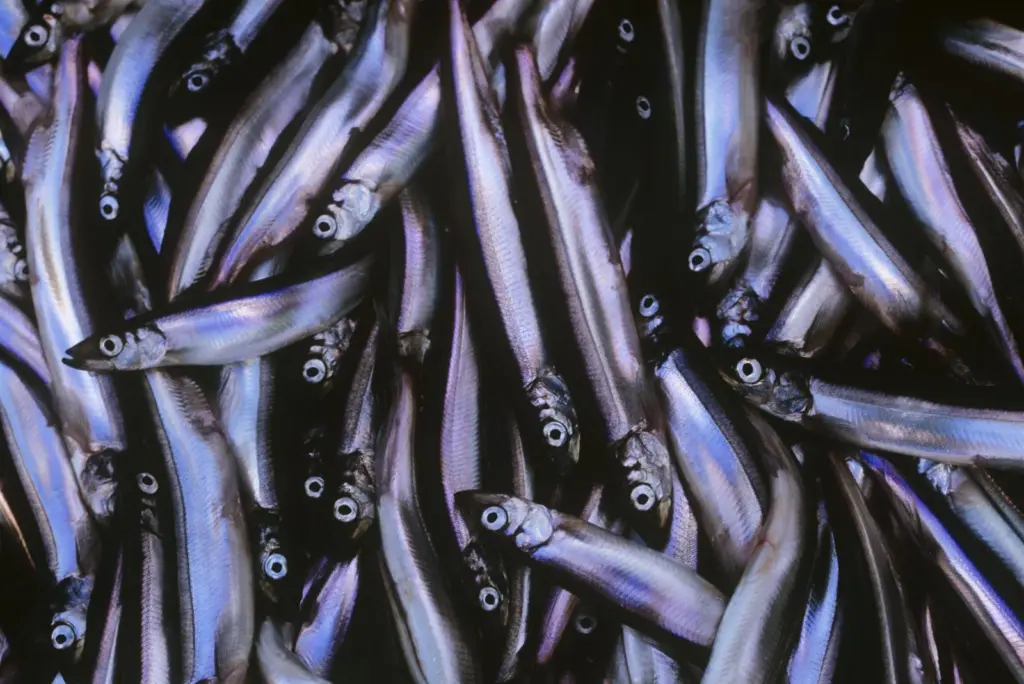
Iceland’s pelagic volume increased 16% year-on-year to 32,003 tonnes, with a 14% lower blue whiting catch (23,430 tonnes). However, the herring catch increased from just 364 tonnes in February 2024 to 4,200 tonnes, while the capelin volume totalled 4,373 tonnes. No capelin was caught in the corresponding month of 2024.
No mackerel catches were recorded last month.
Last month’s demersal landings decreased by 5% compared with February 2024 to 36,774 tonnes, with cod and saith catches falling 4% and 43% respectively, to 21,952 tonnes and 1,781 tonnes. Meanwhile, the haddock volume increased 1% to 6,996 tonnes, and redfish rose 4% to 3,397 tonnes.
Meanwhile, Iceland’s flatfish volume in February was down 33% to 1,014 tonnes, and its shellfish catch dropped 17% to 148 tonnes.
The Directorate of Fisheries’ data also determined the March 2024 to February 2025 catch totalled 986,803 tonnes, which was 23% less than in the previous 12-month period. It found decreases in the pelagic, flatfish and shellfish fisheries, which amounted to 538,890 tonnes (-36%), 23,501 tonnes (-3%) and 3,621 tonnes (-35%), respectively.
Iceland’s demersal catch for the period increased 3%, thanks largely to a 20% lift in the haddock volume, which reached 85,289 tonnes. Its cod catches totalled 220,703 tonnes – on par with the previous 12 months.
Related Articles
 FISHERIES
 FISHERIES
 FISHERIES