




Icelandic catch trebles
Thanks to a bumper capelin catch, Iceland’s fishing fleet landed 220,032 tonnes of wild-capture fish and shellfish last month, up from 73,643 tonnes in January 2021.
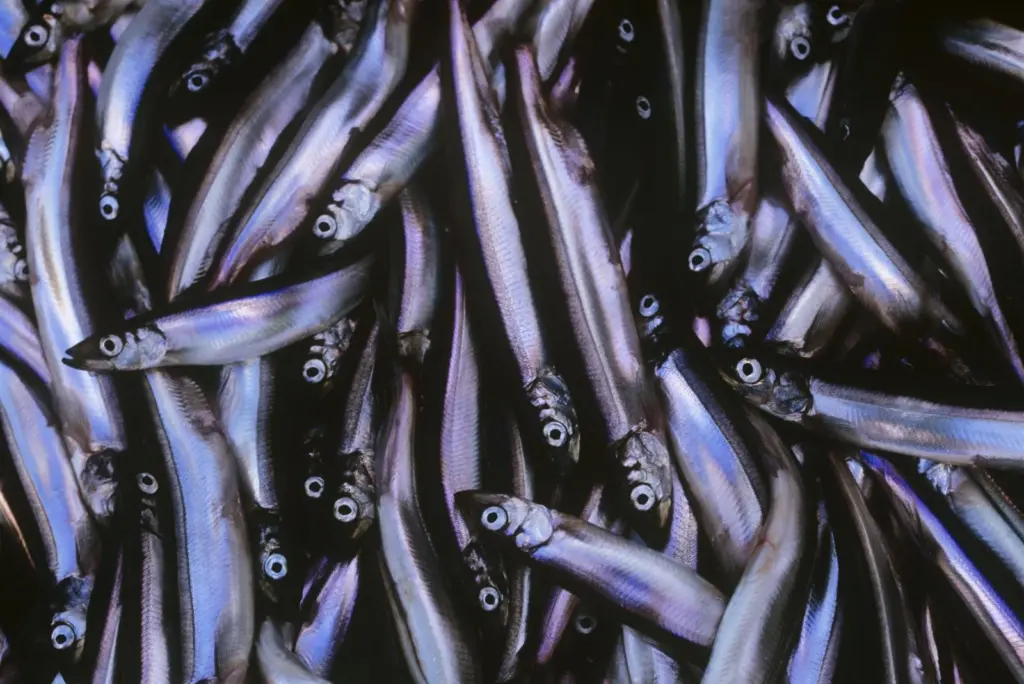
According to preliminary data from the country’s Directorate of Fisheries, January’s pelagic catch was up 363% year-on-year to 189,470 tonnes, with capelin accounting for almost the entire volume. Just 5 tonnes of mackerel were caught, while no herring or blue whiting were harvested.
In the demersal sector, landings totalled 30,016 tonnes, which was 5% less than in January 2021. Icelandic cod catches climbed 15% to 21,259 tonnes, while the haddock volume dropped 40% to 3,102 tonnes. The saithe and redfish volumes fell 1% and 43% respectively to 2,461 tonnes and 2,138 tonnes.
There was also a 56% decrease in Iceland’s flatfish catch to 468 tonnes, while shellfish landings slumped 34% to 78 tonnes.
The authority also calculated the overall February 2021 through January 2022 catch at more than 1.3 million tonnes, a rise of 26% year-on-year. This increase included a 52% increase in the pelagic category, with the total herring volume up 38% to 184,753 tonnes.
Iceland’s total capelin catch for the 12-month period was 336,036 tonnes, while the blue whiting and mackerel volumes fell 34% and 13% respectively to 170,262 tonnes and 132,126 tonnes.
The demersal catch amounted to 466,203 tonnes, down 1%, with 4% less cod (270,173 tonnes), 2% less haddock (54,341 tonnes) and 8% less redfish (49,050 tonnes). Bucking the declining trend, the saithe catch increased 17% to 59,339 tonnes.
At 23,786 tonnes, the flatfish catch remained on par with the previous 12 months, while Iceland’s shellfish catch increased 28% to 6,255 tonnes.
Related Articles
 FISHERIES
 FISHERIES
 FISHERIES