




‘Historic’ labour abuses decision for squid fishery
A move to combat human rights and labour abuses in a jumbo flying squid fishery in international waters has been hailed as ‘historic’.
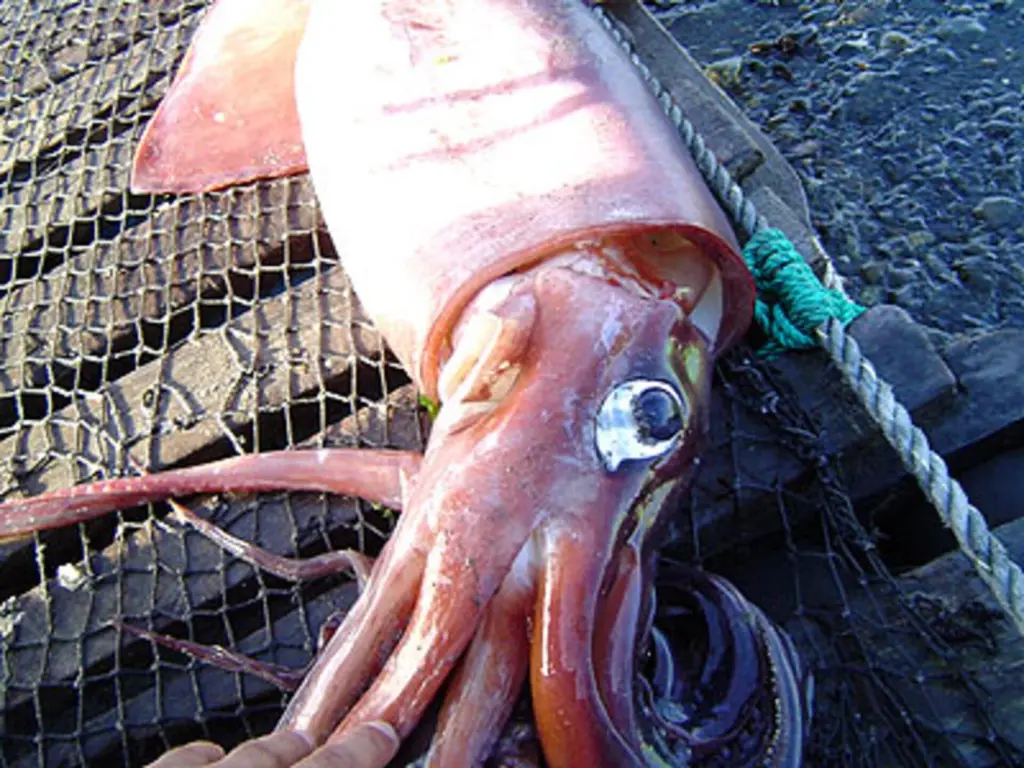
At its annual meeting last week in Ecuador, the South Pacific Regional Fisheries Management Organization (SPRFMO) discussed nine proposals aimed at enhancing sustainability in the fishery.
During the session, delegates including representatives from seafood companies and industry associations endorsed a ‘historic’ decision on labour abuses as well as measures to improve monitoring, control and surveillance.
Extensive support for the proposals came from workers and the processing industry organised by the Committee for the Sustainable Management of Jumbo Flying Squid (CALAMASUR).
Other approved proposals included measures to improve monitoring, control and surveillance during transshipments, and to increase numbers of onboard observers.
However, moves to include Spanish as an official language faced strong opposition, particularly from China, which Alfonso Miranda, president of CALAMASUR, called an ‘inadmissible act of arrogance’.
Proposals to address environmental impacts from large fleets were also rejected, with a working group co-led by Ecuador and the US set up instead to work on these matters.
Miranda again expressed concerns about these decisions. “The fishery still requires reliable and timely data, particularly from fleets operating far from their landing ports in the areas closely located to the South American coast within the convention area,” he said, adding that the SPRFMO’s transparency is also worrying, as the latest convention report lacks detailed minutes, unlike in previous years.
Related Articles
 FISHERIES
 FISHERIES
 FISHERIES