





Fishing jobs added to occupation shortage list
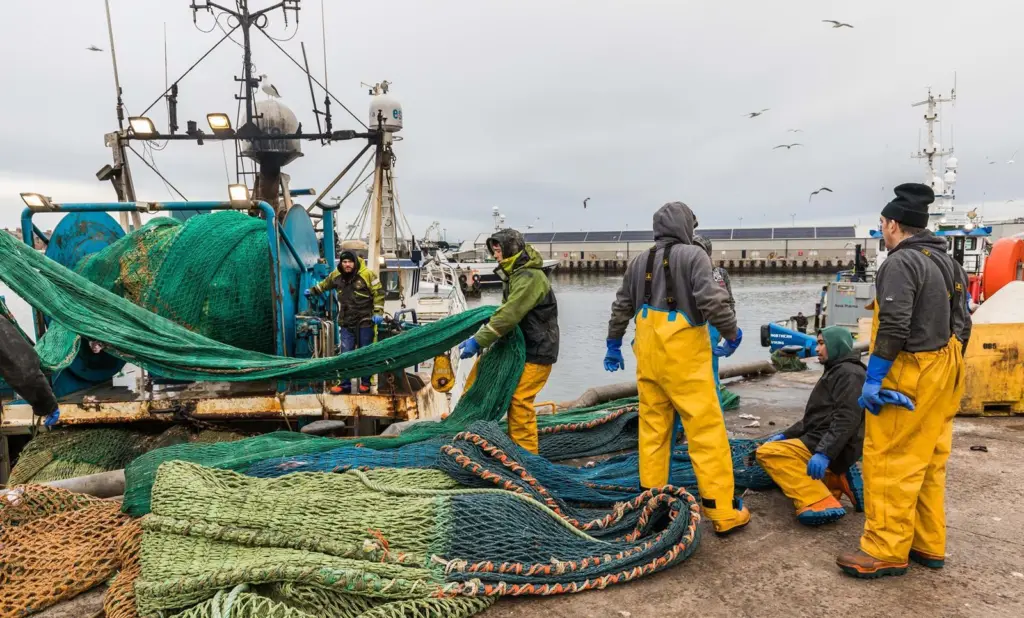
From summer 2023, share fishermen, trawler skippers and experienced deckhands on large fishing vessels will benefit from lower fees and salary requirements. This will ensure that the fishing sector can continue to access the talent it needs at a reduced cost.
“We are backing the UK fishing industry with a comprehensive package of support to ensure that they are able to fully benefit from the fish in UK waters. We strongly encourage the sector to engage with this to ensure they can attract the workers they need,” UK Immigration Minister Robert Jenrick said.
Inclusion on the SOL means jobs qualify at a 20% lower salary threshold (£20,960 instead of £26,200). Applicants also pay lower fees (£479 for a 3-year visa instead of £625). The broader English language requirements of the Skilled Worker route also apply on the SOL.
The new roles added to the SOL follow the inclusion of five construction-related roles added at the Spring Budget, after the government accepted the independent, evidence-based recommendations of the Migration Advisory Committee (MAC).
To be included on the SOL, a role must not only be skilled and in shortage, it must also be sensible to include it on the list in the context of alternative solutions to tackling the shortage, other than through immigration. It is not the purpose of the immigration system to provide a source of workers at pay and conditions which are not attractive to resident workers.
The changes ensure the points-based system delivers for the UK and works in the best interests of the economy, by prioritising the skills and talent needed and encouraging long-term investment in the domestic workforce. The SOL will remain under review to ensure it reflects the current labour market.
This new support forms part of the GBP 100 million UK Seafood Fund, to help modernise facilities, train and upskill fishermen, and invest in better scientific research on key fish stocks. The changes are set to be implemented ahead of the summer fishing season.
Related Articles
 FISHERIES
 FISHERIES
 FISHERIES