





European fishers demand clarity on green lobby funding
Fishing industry representative body Europêche has raised concerns over recent allegations made in the media that the European Commission financed environmental NGOs to lobby Members of the European Parliament (MEPs) and member states in favour of the European Green Deal.
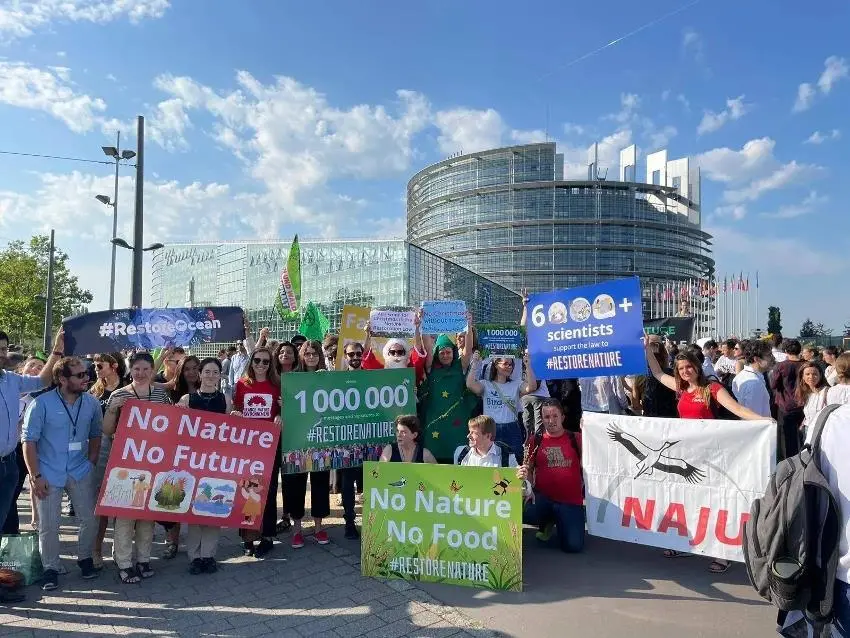
According to Europêche, these claims raise critical questions about transparency, accountability and democratic integrity in the EU’s policymaking processes. The organisation said the allegations are particularly troubling given their potential implications for industries like fishing, which are already facing immense regulatory and economic pressures.
In a statement it said that policies tied to the Green Deal, including the Nature Restoration Law, have “profound consequences” for Europe’s fishing communities.
“These will require drastic measures such as further closures of traditional fishing grounds. If public funds were indeed used to support campaigns aimed at influencing policies in this sector, such actions could have compromised the integrity and impartiality of decision-making within the EU,” it said.
Europêche gave the example of the increasing number of NGO-led campaigns against bottom fishing, which it said is a legal, certified and well-regulated fishing method in Europe.
“Many of these campaigns appear to advocate for an outright ban on the practice rather than pursuing opportunities for improvement or collaboration with the fishing sector. Furthermore, similar lobbying initiatives appear to have received financial support from the Commission, such as the NGO ‘Blue Manifesto 2024’ or campaigns criticising quota systems of selected member states,” it said.
Europêche is therefore calling on the Commission to provide immediate clarification on whether public funds were used to finance NGOs tasked with influencing the adoption of the Green Deal. This includes identifying the organisations involved, their specific objectives and the amounts of funding they received.
Clear information is essential to restoring confidence in the policymaking process, it insisted.
The body is also calling on the Commission and the Anti-Fraud Office (OLAF) to launch an independent investigation, saying the inquiry should establish the facts, determine whether any breaches of democratic principles have occurred and propose corrective measures to prevent similar issues in the future.
Until these clarifications are provided, and the situation is resolved, Europêche has recommended pausing any decisions that might be influenced by these alleged practices.
Continuing to implement policies adopted under a potentially compromised system, risks endorsing practices that EU institutions, particularly the Commission, regularly criticise when observed in other states or institutions, it said.
“These allegations, if substantiated, would constitute a major breach of democratic principles and a betrayal of the trust placed in the European environmental policies adopted during the previous legislative term. Our fishers, who already face immense challenges adapting to Green Deal policies, deserve decision-making processes that are transparent, impartial and accountable,” commented Europêche President Javier Garat.
While reiterating its support for environmental sustainability, Europêche insists that policymaking must be balanced, evidence-based and respectful of the socio-economic realities faced by European communities
Related Articles
 FISHERIES
 FISHERIES
 FISHERIES