


EU ministers have agreed 2026 fishing limits for Europe and the Western Mediterranean, maintaining stability for fishing fleets but failing to end overfishing or secure fisheries sustainability.
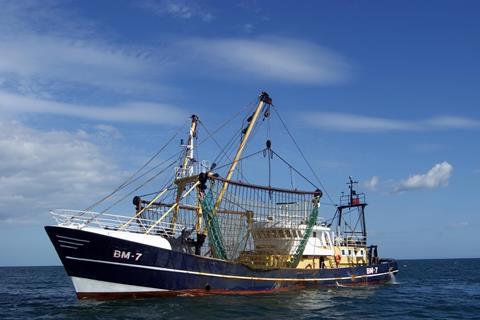
That’s according to Oceana, which said that while the deal offers short-term certainty for fishing fleets, it does not tackle the core problem behind the sector’s economic struggles: Depleted fish populations after decades of excessive fishing pressure.
According to official assessments, 55% of fish stocks in the region remain overfished, with fishing mortality around 1.6 times above sustainable levels.
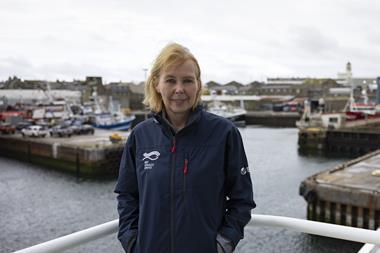
“Faced with very real socio-economic pressures, ministers have decided to maintain the fishing days for 2025,” said Giulia Guadagnoli, senior policy advisor at Oceana in Europe.
”However, to secure the long-term resilience of the Mediterranean and a prosperous future for the sector, it will be necessary to further reduce fishing mortality and address overcapacity.”
Status quo
Meeting in Brussels, ministers reached a political agreement on fishing opportunities that preserves the current management approach for European fisheries in the Western Mediterranean.
Under EU fisheries policy, France, Italy and Spain are legally required to end overfishing by 2025. Despite this obligation, the agreement maintains trawling fishing days into 2026 without additional reductions.
Ministers did, however, cap total fishing days at current authorised levels, preventing any net increase in fishing effort, even when compensation mechanisms are applied.
The deal again relies on a compensation mechanism that encourages voluntary technical measures, such as gear modifications or seasonal closures, to improve selectivity and reduce fishing mortality. Up to 14 options are available to fleets, though their effectiveness depends on robust monitoring and full compliance.
Concerns also remain over deep-sea protections.
Oceana criticised the decision to keep closures below 800 metres, arguing this weakens fisheries sustainability and risks undermining scientific advice intended to safeguard vulnerable marine ecosystems.